

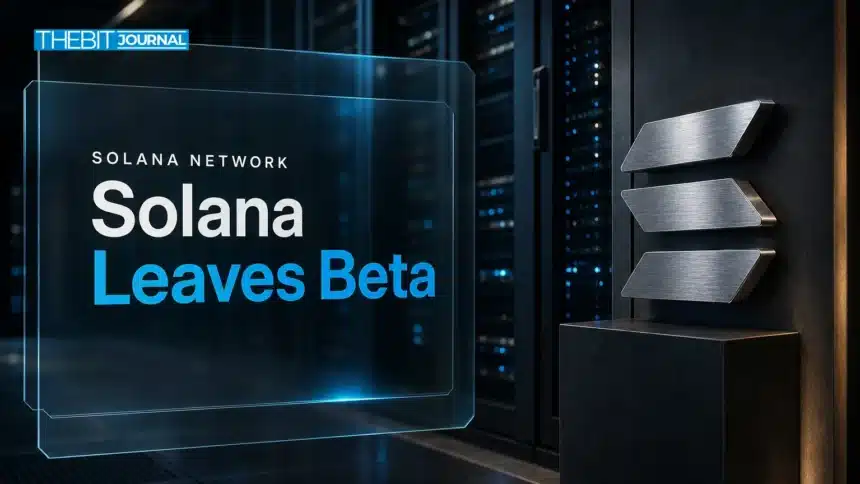

Solana 1.0 replaces the network’s “mainnet beta” label with “Solana mainnet,” a naming and protocol-version change announced by the Solana Foundation on November 16 at the Breakpoint conference in London. The Foundation says users don’t need to do anything: SOL, accounts, assets, applications and transaction history remain as they were.
- The beta label had remained in use since Solana’s mainnet launch in March 2020, more than six years before the announcement.
- Solana 1.0 gives the network a shared protocol version separate from the release numbers used by validator clients such as Agave and Firedancer.
- The roughly 99% improvement cited for Alpenglow concerns target transaction finality, not a claim that every transaction became 99% faster.
- The Foundation coordinated the rollout with Anza and the Firedancer team.
- SOL’s price snapshots were mixed on November 16, and the available reports do not establish that the label change drove the move.
Timeline of Solana’s move to 1.0
- March 16, 2020: Solana launched with the “mainnet beta” designation. CoinDesk noted that the label had been in use for more than six years by November 2026, rather than seven complete years.
- October 9, 2026: The Solana Foundation’s October ecosystem roundup said target slot times had fallen to 200 milliseconds.
- October 21, 2026: The same Foundation roundup said Alpenglow went live on mainnet, replacing TowerBFT and targeting finality of about 150 milliseconds.
- November 16, 2026: At Breakpoint in London, the Foundation announced the end of the beta label and introduced Solana 1.0 as a protocol version.

What Solana 1.0 changes, and what it doesn’t
The main practical change is a clearer way to identify the rules the network follows. The Solana Foundation’s announcement describes Solana 1.0 as a shared protocol version. That gives developers a common protocol version to track: Agave and Firedancer can have separate software release numbers while supporting the same protocol.
That distinction separates client updates from network protocol versioning. The Foundation says the new version does not automatically activate every related improvement, and the shared protocol version does not depend on the release numbers of individual clients.
For users, the Foundation says the transition leaves SOL, accounts, assets, applications and transaction history unchanged. The name change itself doesn’t reduce fees or speed up transactions.
The “99% speed leap” in the headline refers to the finality target associated with Alpenglow. Solana’s upgrade materials compare roughly 150 milliseconds with TowerBFT’s 12.8 seconds. That is a comparison of target time to final confirmation, not a general measurement showing that all transactions, apps or user experiences improved by the same percentage.
Reactions and the SOL market picture
Decrypt framed the move as a way to give developers a common reference for network rules. The Block also reported that the Foundation retired “mainnet beta” and introduced Solana 1.0 as a shared protocol version. U.Today reported that the Foundation said the beta label had never evolved to signal the network’s production status. These accounts describe a change in naming and versioning; the Foundation says users do not need to take action.
There was no clear, consistent price response in the supplied market reports. CoinGecko’s snapshot at 17:13 UTC on November 16 put SOL at $71.48, up 0.43% over 24 hours. CoinDesk reported an earlier snapshot near $70 and a roughly 3% daily decline. The snapshots differ, and neither report showed that the announcement caused the price movement.
The Crypto Fear & Greed Index stood at 10, classified as “Extreme Fear,” on November 16. That reading provides market-sentiment context; it does not establish what caused SOL’s price movement.
What to watch next for Solana 1.0
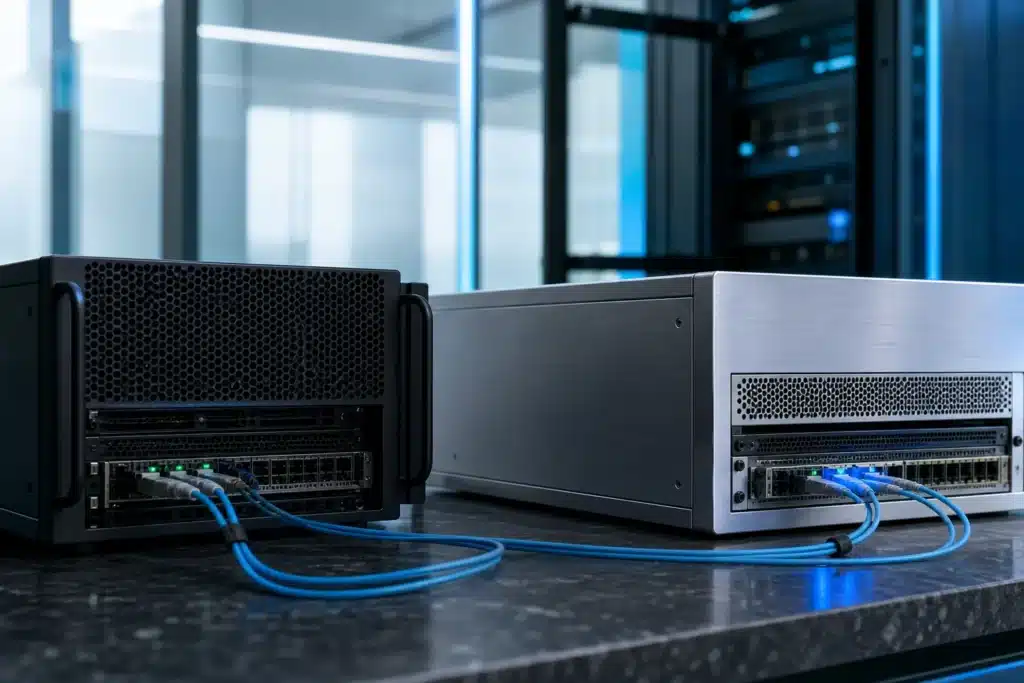
A practical point to watch is how client releases relate to the shared protocol version. The Foundation says Firedancer is an independent validator client alongside Agave, and that multiple implementations can limit the impact of a bug affecting one client.
That is the Foundation’s stated resilience rationale; it does not establish that outages or software defects are impossible. Whether the network delivers its stated finality targets consistently, and how different clients perform in practice, will be more informative than the 1.0 name alone. The Solana Foundation’s October update says Alpenglow is live, but target performance should not be treated as a promise for every transaction.
The Foundation says the announcement leaves SOL, accounts, assets, applications and transaction history unchanged. The supplied price snapshots describe past trading, not future performance.

FAQ
What does Solana 1.0 mean?
Solana 1.0 is the Foundation’s shared version label for the network protocol. It is separate from the software release numbers used by validator clients such as Agave and Firedancer.
Did Solana become faster when it dropped beta?
No. The naming change itself does not alter transaction speed or fees. The roughly 99% finality comparison relates to Alpenglow’s target of about 150 milliseconds versus TowerBFT’s 12.8 seconds, according to Solana’s upgrade materials.
Do Solana users need to take action?
The Foundation says no. SOL, accounts, assets, applications and transaction history remain unchanged after the move to Solana mainnet.
Sources
- Solana 1.0: Dropping -beta, and what comes next (solana.com)
- Solana Drops 'Mainnet Beta' After Six Years: Here's What 1.0 Is All About (Decrypt)
- After 7 Years and 99% Speed Leap, Solana (SOL) Finally Drops Its 'Beta' Label (U.Today)
This article is for informational purposes only and does not constitute financial or investment advice. Cryptocurrencies are highly volatile; always do your own research before investing.