

Last updated: November 19, 2026
THORChain is a cross-chain swap protocol, and RUNE is its native asset. RUNE supports liquidity pools, network security, incentives and governance signaling, but these roles do not stabilize its price or remove the risks of using a decentralized protocol.
Key Takeaways
- THORChain enables cross-chain swaps, with RUNE serving as a settlement asset in its liquidity pools.
- Documentation says pools pair RUNE and an external asset at equal value, while node operators bond twice the RUNE value pooled.
- On November 19, 2026, CoinGecko listed RUNE at $0.53352 and DeFiLlama reported $28.94 million in protocol TVL.
- Price volatility, protocol and node risks, regulation and scams can affect users and token holders.
What Is THORChain RUNE?
THORChain is a cross-chain swap protocol. RUNE is its native asset, described in THORChain’s documentation as the settlement asset in pools that pair RUNE with assets from other networks.
This gives RUNE a functional role tied to THORChain’s pool and node model. These functions describe protocol use; they do not by themselves establish future market value. The project’s RUNE documentation explains its protocol roles, including security, incentives and governance signaling.
RUNE helps connect liquidity and network participation. It is not a company share, and its protocol roles should not be read as a promise of a particular financial outcome.
How THORChain and RUNE Work
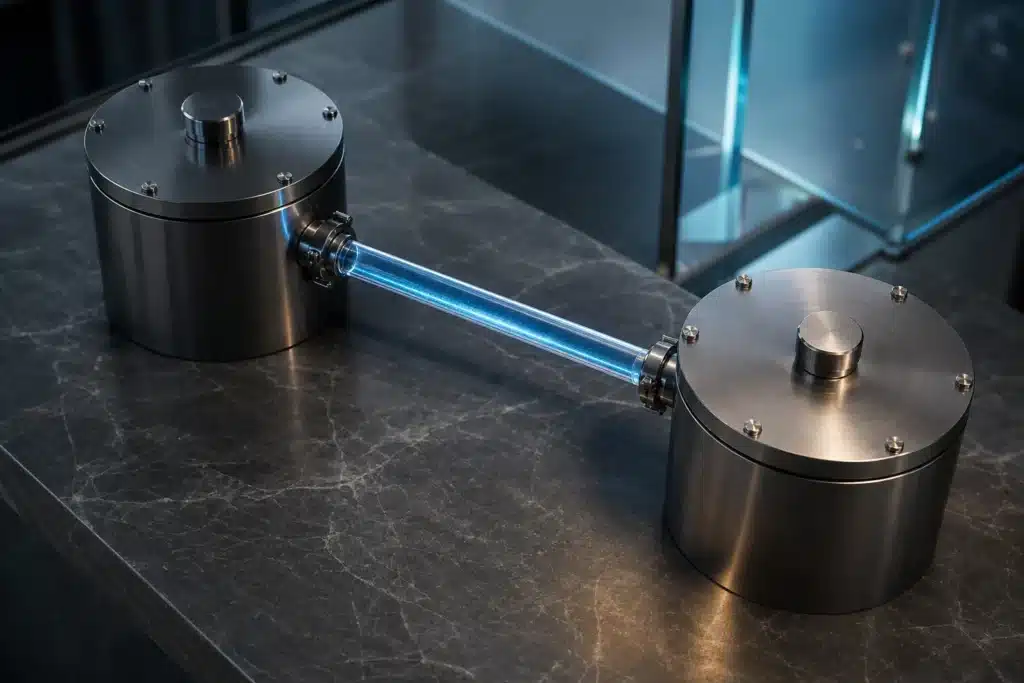
THORChain’s documented pool model pairs RUNE and an external asset at equal value. Traders use the protocol to swap assets, while liquidity providers supply them to pools. Supported assets and transaction conditions can vary.
RUNE also features in network security. THORChain says node operators bond twice as much RUNE as the amount pooled. Bonding is part of the economic design, but does not eliminate operational failures, software bugs or other security concerns.
In its September 2026 network report, THORChain counted 103 nodes in the active set, bonding 97.66 million RUNE. The report also counted 25,000 active wallets that month and 1,152,614 all-time unique wallets. These project-reported measures do not establish that future usage or token demand will continue.
What Does RUNE Do in THORChain?
RUNE serves as a common settlement asset in pools and supports network incentives and security. Demand can still change with trading conditions, liquidity, user preferences and competing services, regardless of the token’s stated utility.

THORChain RUNE Market and Network Data
Market figures are snapshots. CoinGecko showed RUNE at $0.53352 at 06:21 UTC on November 19, 2026, with a market capitalization of about $175.59 million, 329,111,646 RUNE in circulation and a maximum supply of 353,836,742.
| Measure | Reported figure | Date and source |
|---|---|---|
| RUNE price | $0.53352 | November 19, 2026, 06:21 UTC, CoinGecko |
| THORChain DeFi TVL | $28.94 million | November 19, 2026, DeFiLlama |
| 24-hour DEX volume | $205 million | November 19, 2026, DeFiLlama |
| 7-day DEX volume | $707.1 million | November 19, 2026, DeFiLlama |
DeFiLlama’s volume figures differ from token-market-page trading volume. THORChain’s Q3 2026 report recorded about $3.82 billion in swap volume and $5.77 million in fees. It attributed roughly $1.37 billion of September 25 to 29 volume to funds linked to the Bitget exploit moving through the network. High volume alone does not show healthy or lasting demand.
Supply, Upgrades and Protocol Changes
As of November 8, 2026, DeFiLlama’s token unlock page reported that 100% of RUNE was unlocked, with no upcoming unlocks, and listed a maximum supply of about 353.86 million. An unlocked schedule does not mean every token is traded or prevent market-driven price changes.
THORChain’s October 21, 2026 report on upgrade v3.21 described work on Monero signing and recovery, a state migration, Solana transaction support and fixes intended to let the App Layer restart. Monero activation still required a follow-up v3.21.1 release and soft launch. On November 14, contributors said activation also required a churn and node vote; a stuck Base refund and oversized Bitcoin memos remained obstacles.
A planned integration is not necessarily a live feature. The project’s v3.21 upgrade report describes its status at that time.
Risks to Understand Before Using the Network
RUNE is volatile and could fall substantially or lose its value. Cross-chain systems also face smart contract, software, validator and liquidity risks. Problems with a connected blockchain, protocol component or transaction can affect access to assets or the amount received.
Regulations differ by country and can change. Readers seeking legal or tax guidance should consult a qualified professional. Scams may impersonate protocol teams or offer fake support, so never share a seed phrase. Protocol features and past activity do not establish future performance.
This guide focuses on how the protocol and token function. It does not assess whether RUNE is suitable for any particular reader.
Frequently Asked Questions
What Is THORChain RUNE Used For?
RUNE is the settlement asset in liquidity pools. THORChain’s documentation also describes roles in network security, incentives and governance signaling.
Is THORChain a Blockchain or an Exchange?
It is a cross-chain swap protocol, not a centralized exchange. It relies on software, nodes, pools and connected blockchain networks.
How Many RUNE Tokens Exist?
At 06:21 UTC on November 19, 2026, CoinGecko listed 329,111,646 RUNE in circulation and a maximum supply of 353,836,742. DeFiLlama reported all tokens unlocked on November 8, 2026. These dated figures can change.
Does RUNE’s Utility Make It a Safe Investment?
No. Utility does not make a token safe or establish future returns. RUNE faces volatility, protocol and smart contract risks, liquidity changes, regulation and scams. This article explains the network, not whether the token suits an individual.
Sources
- RUNE | THORChain Docs (docs.thorchain.org)
- THORChain Protocol Upgrade v3.21 (blog.thorchain.org)
- THORChain price and market data (CoinGecko)
This article is for informational purposes only and does not constitute financial or investment advice. Cryptocurrencies are highly volatile; always do your own research before investing.