




This article was first published on The Bit Journal. Donald Trump-backed crypto venture World Liberty Financial is intensifying efforts to stabilize its struggling WLFI token after months of declining market confidence, governance concerns, and liquidity pressure rattled investors across the ecosystem.
Recently, the project came up with a multi-faceted recovery plan that involves realizing token burning, stablecoin adoption, and exchange partnership initiatives to boost the WLFI token ecosystem. The moves have helped to lift sentiment so far, but analysts of the blockchain are saying the new liquidity is also allowing for long-term investors to sell their holdings after extended periods of inactivity.
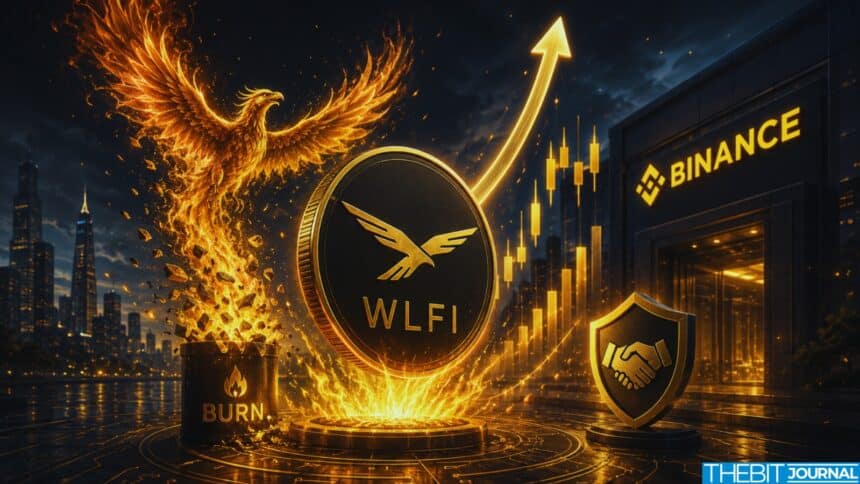
WLFI Token Burns Reduce Market Supply
The WLFI token has experienced a significant decline since its peak valuation, with the asset being reportedly down by almost 88% from its all-time high. In response to the sell-off, World Liberty Financial moved into a significant token-burning program with the aim of decreasing the supply and re-establishing scarcity in the WLFI token market.
On-chain data analytics firm, Arkham Intelligence, reports that the project has permanently burn off 3 billion WLFI, which amounts to roughly $180 million in market value. The burn was done as part of a governance proposal allowing for the destruction of up to 10% from holdings belonging to founders, advisors, team members and strategic partners related to the WLFI token project.
Meanwhile, World Liberty Financial is working to diversify the use of its USD1 stablecoin. The company is trying do more than relying exclusively on the speculative demand of the WLFI, it wants to connect it to the wider crypto trading ecosystem and scale up its use of the USD1.

Binance Integration Expands WLFI Token Exposure
The most significant move was by Binance, where it launched a USD1/BTC trading pair and allowed the stablecoin to be used as collateral for Bitcoin futures contracts. The integration was the first time a USD1 could be directly incorporated into Binance’s futures platform, providing extra exposure to the WLFI token network.
Bybit, a cryptocurrency exchange, also participated in the effort, adding USD1 to margin trading, institutional lending, crypto-backed loans, and payment products. Bybit and World Liberty decided to implement a rewards programme, with a 45 million WLFI incentive pool, to encourage participation.
The campaign features an up to 20% APR with the users who are holding or staking USD1, directly linking the demand of the WLFI with the adoption of the stablecoins on the platform.
Dormant Holders Trigger Massive WLFI Selloff
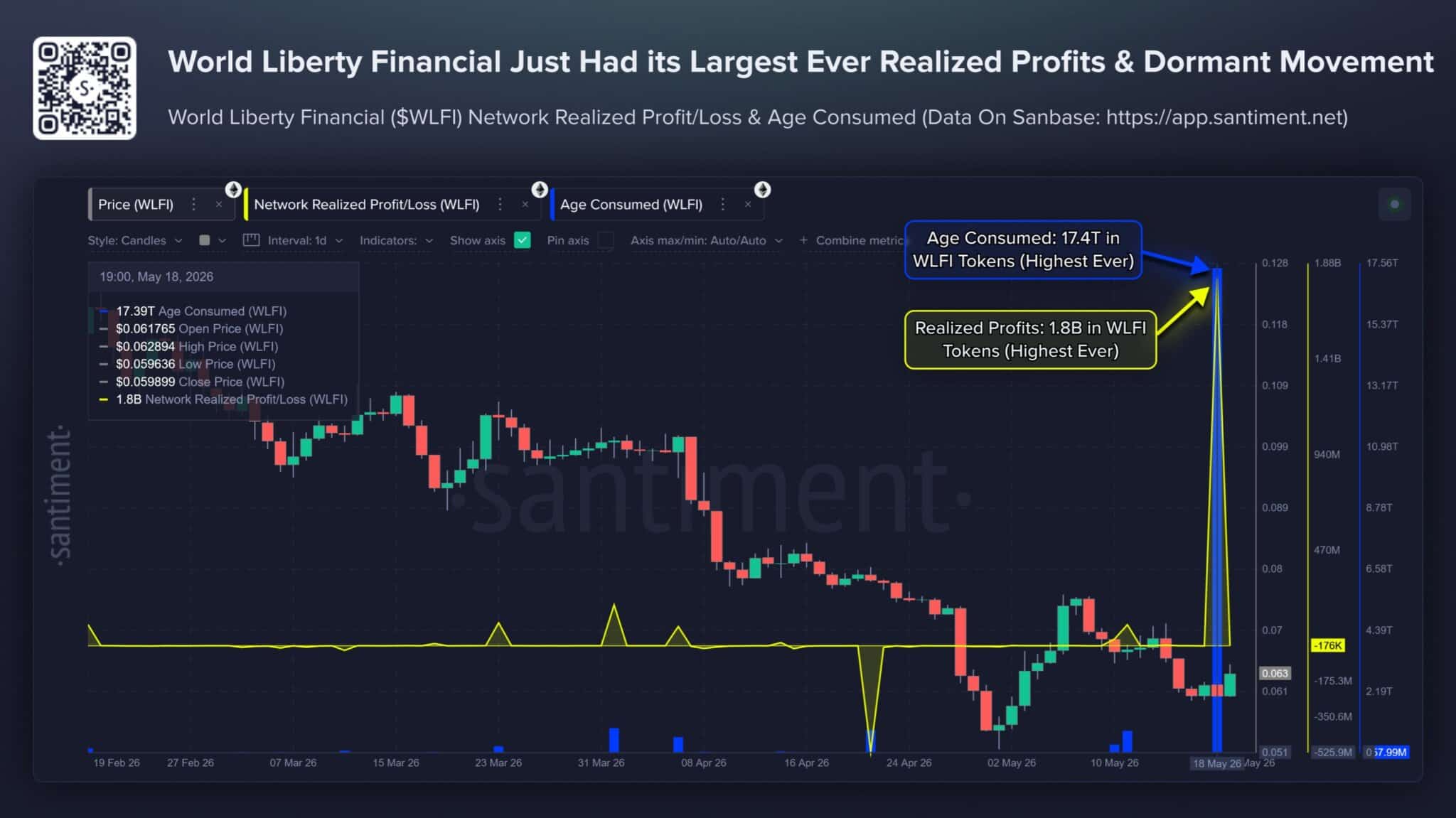
Although the wave of liquidity was positive, blockchain data provider Santiment noted that the additional liquidity led to a period of “profiting from dormant holders. The network’s peak “age consumed” metric, which quantifies previously dormant WLFI holdings coming back into circulation, was recorded on May 18.
A total of 1.8 billion WLFI tokens were sold by investors for a profit during that time. Santiment highlighted the activity as close to Binance’s announcement regarding futures collateral, meaning the exchange integration mostly re-opened an exit window for early WLFI investors rather than rejuvenating demand for the tokens.
Despite this, the WLFI was still able to rally by 5.5% due to the selling pressure that was absorbed by the market. Still, analysts note that the project remains on the verge of a huge supply overhang as holders await better liquidity opportunities with the WLFI token.
AI Financial Faces Massive WLFI Losses
The turmoil has also spread beyond crypto markets into corporate balance sheets. The company formerly known as ALT5 Sigma Corporation and now known as AI Financial has been put under considerable financial pressure after the failure of its token WLFI.
The firm had previously raised $1.5 billion to buy 7.28 billion WLFI tokens at an average price of $0.20 per token. Recent filings, however, showed the firm had an unrealized loss of $348 million when the value of its WLFI dropped on the token market.
The losses caused the company to run into serious liquidity problems, resulting in a working capital deficit, and leading to a statement by management that it had a “substantial doubt” that it would be able to continue operations within the next 12 months.
Legal Disputes Intensify Around WLFI Token
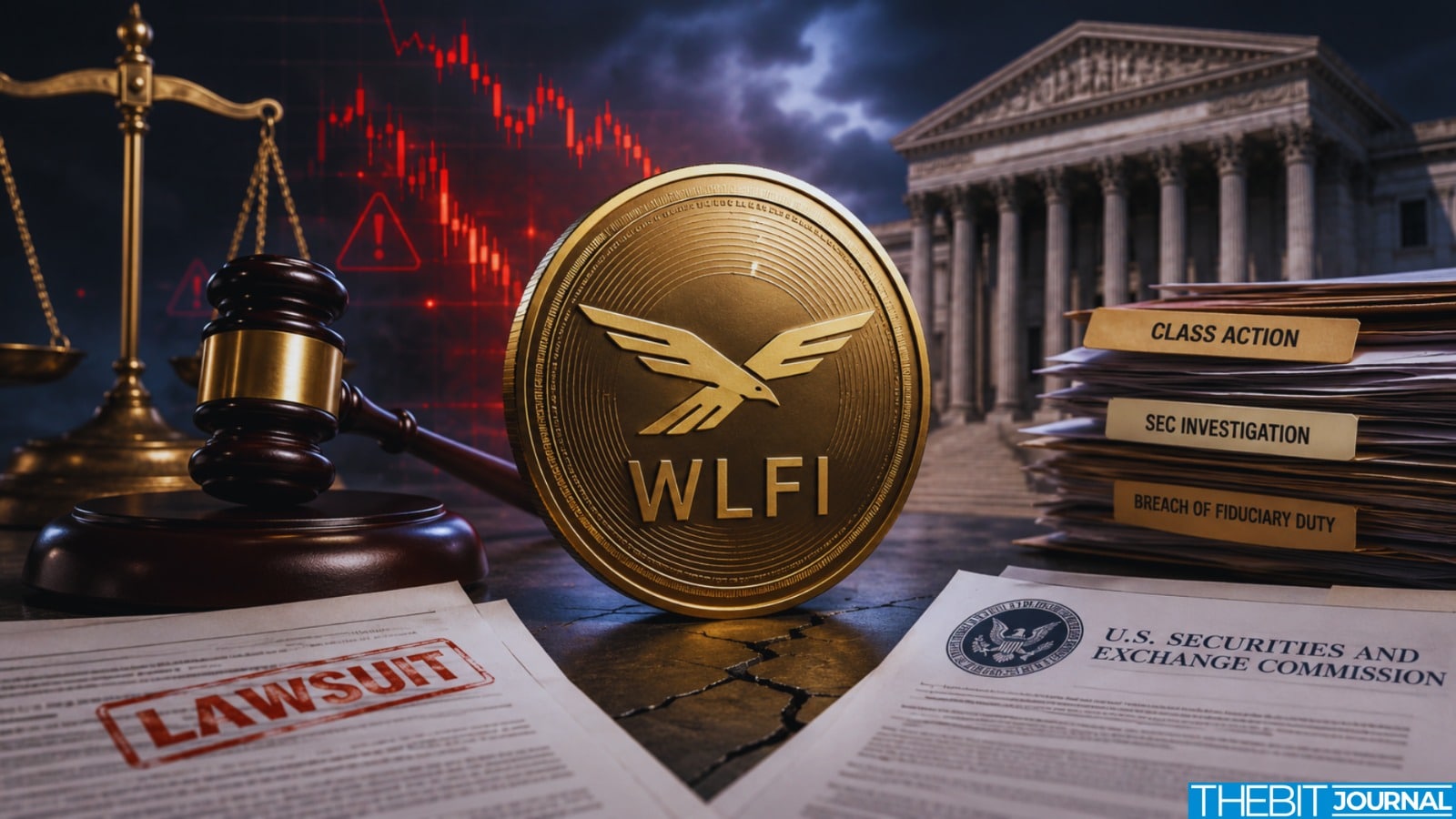
In the meantime, there are still legal issues surrounding the project. Now World Liberty Financial is in the middle of a legal battle with the crypto entrepreneur Justin Sun, who claimed the project had inserted hidden blacklist controls into its smart contracts linked to the WLFI ecosystem. The company has responded to the allegations and filed a counterclaim against Sun, claiming he manipulated WLFI markets during the launch period of the token.
There’s also more political pressure. Senator Elizabeth Warren has asked regulators to examine the project’s relationship with the Trump family, stating:
“WLF’s activities appear to have benefited the Trump family at the expense of investors, who have found themselves facing unanticipated challenges with accessing their tokens. Early investors remain locked out of 80% of their token holdings, unable to sell into a market that has already moved sharply against them.”
Future of the project will also rely on the ability of the WLFI token to successfully tackle the legal, financial and governance issues it is facing while attempting to gain consumer trust by aggressively expanding the exchange and diminishing the token count.
Conclusion
Despite aggressive token burns, exchange integrations, and stablecoin incentives, the WLFI token still faces significant uncertainty. Such lawsuits, selling by investors, and financial pressures on the ecosystem indicate that World Liberty Financial needs to establish a long-term recovery in the market and regain investor confidence.
Follow us on Twitter and LinkedIn, and join our Telegram channel to be instantly informed about breaking news!
Summary
- WLFI token recovery efforts include burns, stablecoin use, and exchange expansion.
- Despite support, heavy selling and profit-taking continue to pressure WLFI.
- Legal, financial, and political issues add ongoing uncertainty to the project.
Glossary of Key Terms
WLFI Token
Native token of World Liberty Financial.
World Liberty Financial
Crypto project backed by Donald Trump.
Token Burn
Permanent removal of tokens from circulation.
Stablecoin
Crypto asset pegged to a stable value like USD.
USD1 Stablecoin
Stablecoin used in WLFI ecosystem.
Exchange Integration
Listing or support on crypto exchanges.
Liquidity
Ease of buying or selling an asset.
Age Consumed
Metric tracking movement of old tokens.
Profit-Taking
Selling assets to lock in gains.
AI Financial
Firm holding large WLFI token treasury.
Blacklist Controls
Smart contract wallet restriction feature.
Counterclaim
Legal claim against original plaintiff.
Market Sentiment
Investor attitude toward an asset.
Frequently Asked Questions about WLFI Token
1: Why is WLFI token recovering efforts underway?
WLFI token fell sharply, prompting burns, exchange support, and stablecoin use to restore confidence.
2: How do token burns help WLFI?
They reduce supply, creating scarcity that may support price stability.
3: What is Binance and Bybit’s role in WLFI token?
They support USD1 integration, trading, collateral use, and reward programs.
4: What risks does WLFI face?
Legal issues, selling pressure, and financial instability continue to challenge the project.
References
Disclaimer
The article is purely informational and it is not a financial, investment, or a trading advice. Cryptocurrencies are extremely risky and volatile. Before investing, the readers are to conduct personal research and seek the advice of a qualified financial expert.