

Last updated: November 23, 2026
Common mistakes when sending crypto can leave funds delayed or impossible to recover, even when the transfer takes only seconds to set up. Check the recipient, asset, network and any required payment details before confirming. Crypto payments typically are not reversible, according to the FTC.
TL;DR
- Match the wallet address, asset and network to the recipient’s instructions.
- Check whether a destination tag or memo is required, and verify the full address rather than relying on transaction history.
- For a new destination, consider a small test transfer and review the fee before sending the rest.
Common mistakes when sending crypto
A transfer screen can make sending crypto look simple, but the details matter. Confirm each field independently. A correct address on an unsupported network, for example, may not deliver funds to the recipient’s account.
Common mistakes when sending crypto start with the address
Crypto addresses are long strings, and a single incorrect character can send a payment somewhere else. Copy and paste can reduce typing errors, but it doesn’t prove the copied address belongs to the intended recipient. Check the beginning and end of the address against a trusted source, and confirm it through a separate channel if someone has sent new payment instructions.
Ethereum.org says Ethereum transactions are irreversible and funds sent to the wrong wallet generally can’t be recovered unless the recipient returns them. Coinbase Wallet also recommends double-checking an address and sending a small test amount before transferring a significant sum. A test transfer does not assure that a later transfer will succeed, but it may reveal a copied-address or setup error before a larger transfer.

Choose the correct network and asset
The same token can exist on several networks. The address and network selected at the sending end must match what the recipient or exchange supports. Coinbase’s network guide gives the example of sending USDC on Solana to a Coinbase USDC address on Ethereum, which can result in lost funds. Don’t assume that matching token names mean networks are interchangeable.
When moving assets across networks, confirm that the receiving service supports the exact network and asset. Coinbase gives the example of USDC sent on Solana to a Coinbase USDC address on Ethereum, which can result in lost funds.
Check for a destination tag or memo
Some services use one deposit address for multiple customers and rely on a separate tag or memo to identify whose funds arrived. Kraken’s missing-deposit checklist, last updated October 22, 2026, says to check the network or token standard and required destination tags or memos for STX, XRP, XLM and EOS. Follow the exact deposit instructions shown by the receiving service. An omitted or incorrect tag can delay crediting, even if the address itself is right.

Review the amount, fee and transaction status
Before confirming, check the asset, amount and fee in the final review screen. Fees vary by network and conditions. The Bitcoin Developer Guide explains that Bitcoin fees depend on signed transaction size and demand for block space, with higher fees per byte prioritized when space is limited. A low fee can mean a transaction takes longer; it doesn’t mean the transfer has failed.
On Ethereum, ethereum.org says a transaction may get stuck if its gas fee is below what the network currently requires. Some wallets provide options to speed it up with a higher fee or cancel it using a transaction with the same nonce. Wallet controls differ, so check the wallet’s instructions before attempting changes. Sending the same payment again without checking status can create a duplicate transfer.
Don’t trust transaction history or a QR code blindly
Address poisoning is another trap. Ethereum’s EIP-8117 describes attackers sending zero-value transactions from lookalike addresses, hoping someone later copies the wrong address from their history. Compare the full destination with a trusted record each time, especially for repeat payments. A familiar-looking start and end aren’t enough.
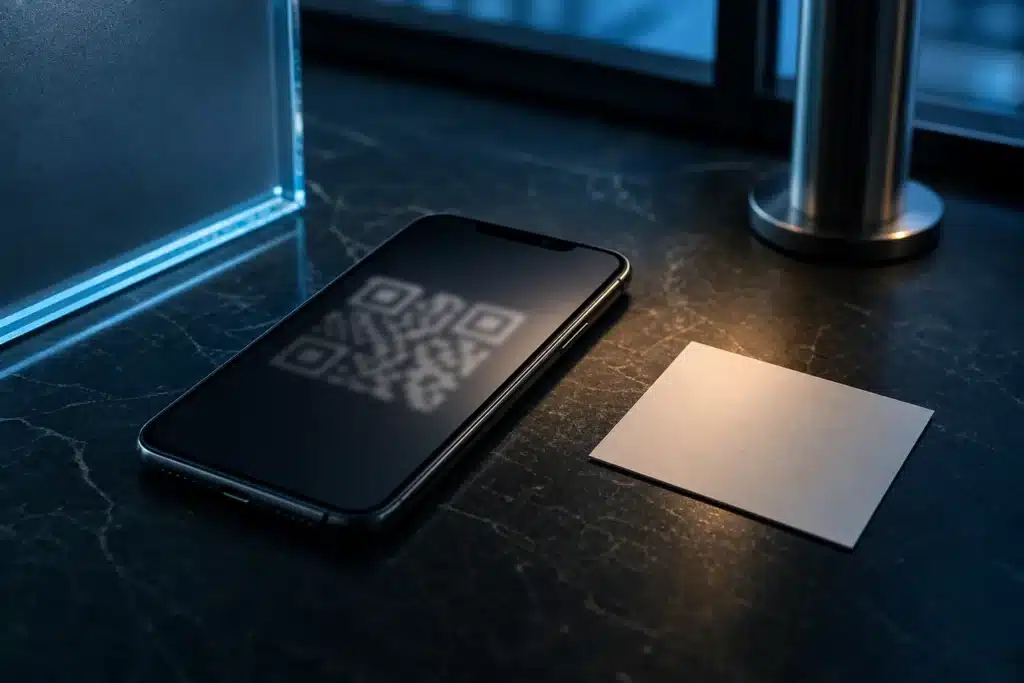
A QR code also only encodes payment information; it doesn’t verify who controls the destination wallet. The US Federal Trade Commission warns that scammers may direct people to scan a QR code that routes crypto to the scammer’s wallet. If a request is unexpected or urgent, verify it with the person or business using contact details you already trust. Crypto payments typically aren’t reversible, according to the FTC.
These checks reduce avoidable errors, but they can’t remove volatility, exchange or wallet risks, scams, or the possibility of losing the full amount. Don’t share a seed phrase to “fix” a transfer. A legitimate recovery process shouldn’t require handing over control of a wallet.
Pros and cons of a small test transfer
| Pros | Cons |
|---|---|
| Can confirm that an address and network appear to work before a larger transfer. | May add a separate network fee and take extra time. |
| Can show whether a small transfer reaches the intended destination before a larger transfer. | Doesn’t guarantee a later transfer will succeed or that the recipient is trustworthy. |
Whether a test transfer makes sense depends on the asset, network fees and recipient’s instructions. If you use one, wait for it to arrive and confirm the credited amount before sending more. A test transfer does not establish that the recipient is trustworthy.
Who this checklist is for, and who it isn’t
This checklist can help anyone sending crypto to a personal wallet, another person or an exchange deposit address, particularly when using a network or recipient for the first time. It’s also useful for people making repeat transfers, since address-poisoning attempts can target familiar transaction histories.
It can’t replace the receiving platform’s current deposit instructions or ensure recovery if something goes wrong. If you don’t understand which network or token standard a recipient requires, pause and confirm with the recipient or service through an official channel before sending.
Bottom line
The common mistakes when sending crypto are often simple to prevent: wrong address, wrong network, missing memo, overlooked fee or misplaced trust in a QR code. Take time to review the final transaction details, and treat every transfer as potentially irreversible. When instructions are unclear, verify them before you confirm.
Sources
- Frequently asked questions (ethereum.org)
- Assets on multiple networks (help.coinbase.com)
- Cryptocurrency deposit is missing (support.kraken.com)
This article is for informational purposes only and does not constitute financial or investment advice. Cryptocurrencies are highly volatile; always do your own research before investing.