



Last updated: November 19, 2026
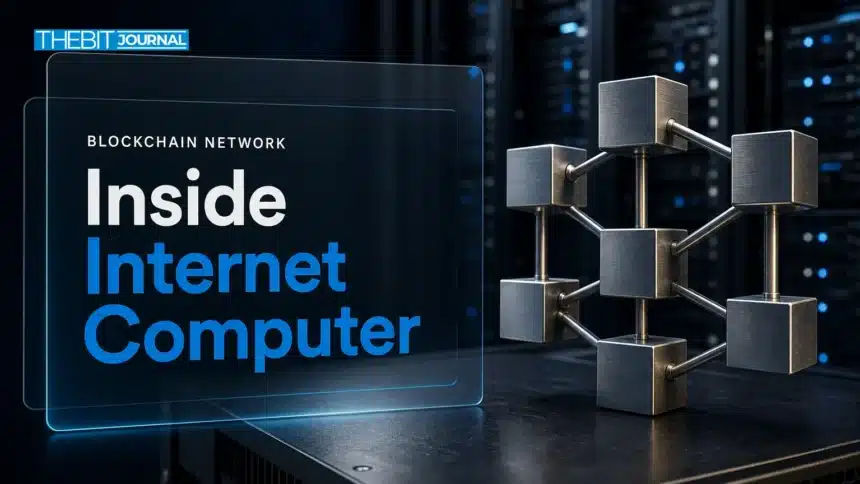
Internet Computer is a blockchain network designed to host applications, serve web traffic and hold digital assets, not just record token transfers. Its token, ICP, supports governance and pays for computation. Both the technology and token carry risks.
Key Takeaways
- The network combines independently operated computers to run applications.
- Applications use canisters, software units containing code and data.
- ICP supports governance, computation and rewards, according to network documentation.
- Network activity and token-market performance are different measures. Neither guarantees future adoption or value.
What is Internet Computer?
The Internet Computer Protocol, often shortened to ICP or IC, brings independently operated node machines together. According to the Internet Computer Protocol documentation, the network can host applications, serve web traffic and hold digital assets.
The design lets developers run software on the network. In many blockchain applications, a blockchain handles transactions while outside services provide other parts of the app. Its central building block is a canister, a software unit containing both code and state.
This doesn’t mean every app on the network is automatically decentralized, secure or independent of outside infrastructure. Each application has its own design, operators and possible points of failure.
How the network works
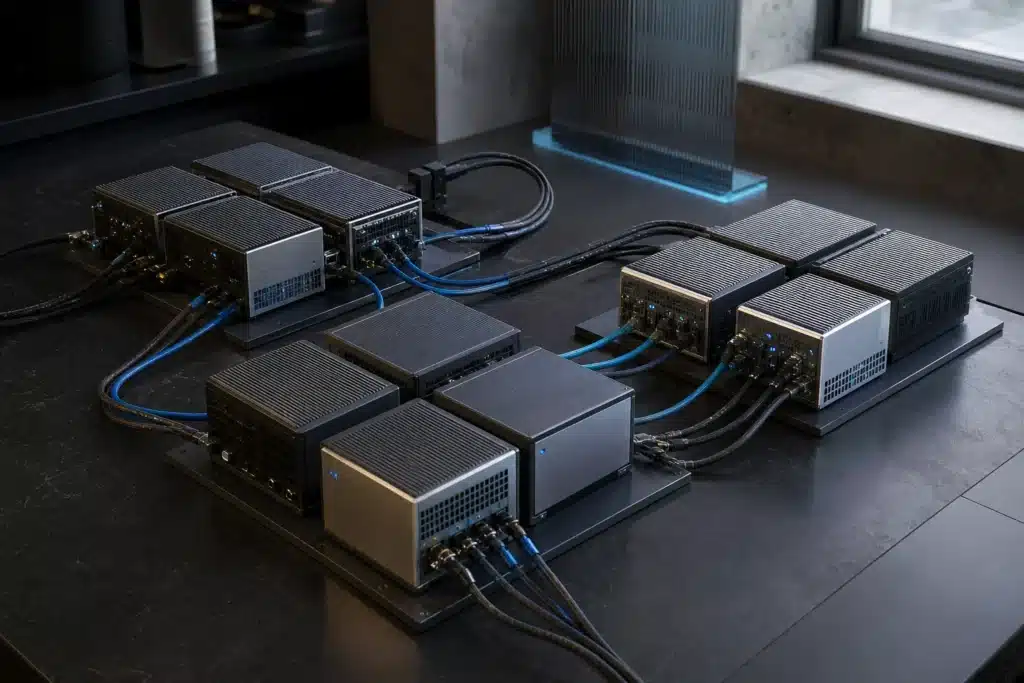
Node machines are grouped into subnets, which provide capacity for canisters. Canisters are the program units; subnets are part of the infrastructure that runs them. The network processes user requests to applications.
ICPWatch’s network explorer showed 42 subnets and about 1.3 million canisters on November 19, 2026. Its canister count included running and stopped canisters, so it isn’t a count of active apps or users. The explorer also reported 3,342 trillion cycles burned per day, citing the IC public API.
These are measurements from one date, not proof of performance or adoption. A high canister count doesn’t show how many applications people use or whether they generate lasting demand.
What are canisters?
Canisters package software code with its state, or the information the software uses and updates. Developers can deploy application logic to the network, but each canister’s features and user experience depend on how it is built.
What does the ICP token do?
Network documentation describes three roles for ICP: it can be staked in neurons for governance voting, converted into cycles to pay for canister computation and storage, and distributed as rewards to voters and node operators. The governance documentation explains these functions.
Cycles pay for computation and storage, linking ICP to network use. But greater application activity doesn’t necessarily mean a higher token price. Market conditions and supply expectations can also affect prices.
Governance participation involves protocol rules and potential lock-up conditions, so check current official documentation for applicable terms. Losing access to tokens or making an unintended transaction can result in loss.
What is being built on the network?
Reported use cases include applications on the network and systems designed for locally controlled infrastructure. On February 10, 2026, Pakistan’s Digital Authority and DFINITY signed a memorandum of understanding covering a dedicated Pakistan subnet, local AI-native software development and a pilot national messenger. An agreement and pilot plan don’t prove wide deployment.
Axios reported on August 25, 2026, that UNDP and DFINITY were launching a pilot to help governments test AI applications with greater control over data location and computing infrastructure. UNDP planned to select five countries for initial pilots, Axios said. The initiative isn’t evidence that the technology has replaced established cloud services.
According to Internet Computer News, DFINITY founder Dominic Williams said on November 14, 2026, that the foundation had begun sending Cloud Engine access coupons to waitlisted users. The report described a gradual rollout and early access, not a full public launch.

ICP supply, price and risks
ICP is volatile, and its market price can move independently of technology announcements or network measurements. CoinGecko’s figures below are a dated snapshot, not a current quote. DeFiLlama listed about 559.06 million ICP in circulating supply, no fixed maximum supply and no upcoming token unlocks as of November 19, 2026.
| Measure | Value | As of |
|---|---|---|
| ICP price | $2.25 | November 19, 2026, 08:24 UTC |
| Market capitalization | $1,257,228,811 | November 19, 2026, 08:24 UTC |
| 24-hour trading volume | $42,874,462 | November 19, 2026, 08:24 UTC |
DFINITY’s February 6, 2026 Mission 70 paper targeted at least a 70% reduction in ICP inflation by the end of 2026. It estimated proposed supply-side measures would lower minting from 9.72% in January 2026 to 5.42% in January 2027, a 44% reduction. Demand growth was also part of the target. These were estimates and goals in a proposal, not confirmed results.
Technical design and financial risk are separate considerations. Crypto assets can lose substantial value or become worthless. Users can also face software bugs, smart-contract vulnerabilities, governance changes, regulation and scams. This is educational information, not a recommendation to buy or sell.
Internet Computer FAQ
Is Internet Computer a blockchain?
Yes. Its protocol connects independently operated node machines and uses canisters to host software, according to its documentation.
What is ICP used for?
ICP can be staked in neurons for governance voting, converted into cycles for computation and storage, and distributed as rewards to voters and node operators, according to the governance documentation.
Are ICP and Internet Computer the same thing?
No. Internet Computer is the network and protocol. ICP is its token, used for governance, computation payments and rewards.
Does Internet Computer have a maximum supply?
DeFiLlama listed no fixed maximum supply for ICP as of November 19, 2026. Supply conditions and token economics can change, so dated data isn’t permanent.
Sources
- Internet Computer Protocol (internetcomputer.org)
- Governance (docs.internetcomputer.org)
- Internet Computer price and market data (CoinGecko)
This article is for informational purposes only and does not constitute financial or investment advice. Cryptocurrencies are highly volatile; always do your own research before investing.