




Solana is back in the spotlight, though not for the reason holders would prefer. After months of heavy onchain trading and strong fee generation, the network has entered April with weaker momentum, softer decentralized exchange activity, and a token price hovering near one of its most watched support levels. For traders, the issue is no longer just whether the market looks oversold. The real question is whether the recent slowdown is a brief cooldown or the start of a deeper reset across the ecosystem.
March Data Puts Solana Price Under Fresh Pressure
The latest market data shows a noticeable drop in decentralized exchange activity across the network. Monthly DEX volume on Solana fell to $55.5 billion in March, the lowest level seen since September 2024. Network fees also slipped to $18.5 million, down sharply from January levels, which tells a simple story: fewer trades, less speculation, and a calmer chain after a much louder stretch.
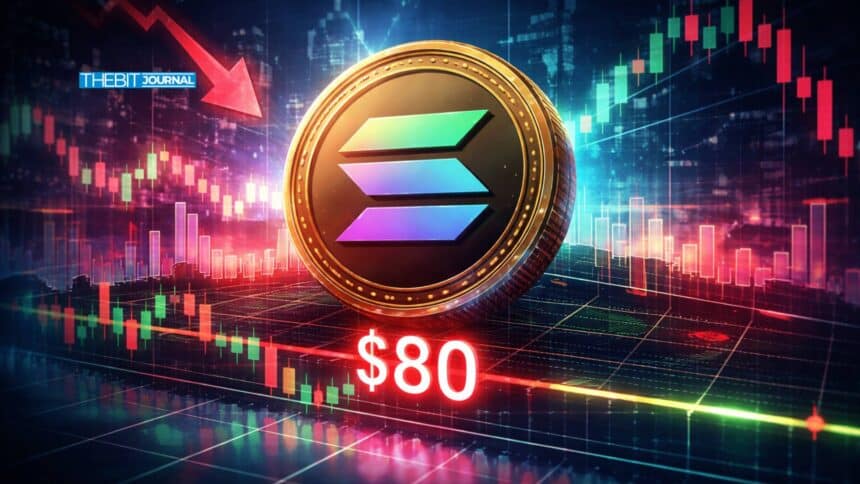
That matters because onchain activity often acts like a pulse check for sentiment. When volume is rising, traders usually see momentum, appetite, and liquidity all moving in the right direction. When it falls this hard, the market starts asking tougher questions. In this case, Solana price is now sitting close to $80, a level that has become psychological support as much as technical support.
Why Solana Price Is Being Watched So Closely
At the start of April, SOL traded near $83.92, with the session dipping as low as $80.24 before stabilizing. That range matters because support levels are rarely just numbers on a chart. They become markers of confidence. If buyers defend them, sentiment can recover quickly. If they fail, traders tend to assume that another leg lower is coming.
The pressure is not only coming from within Solana’s own ecosystem. Ethereum and its layer-2 networks have started to reclaim a bigger share of decentralized trading activity. While Ethereum itself posted $41 billion in DEX volume in March, the broader ecosystem gained more ground when scaling networks were included. That shift suggests some liquidity is rotating elsewhere, which adds another layer of caution around Solana price in the short term.
The Key Crypto Indicators Behind the Move
For crypto markets, price alone never tells the full story. Volume is one of the first indicators traders watch because it reveals whether a move has conviction behind it. Solana’s March decline in DEX activity suggests that conviction has weakened, at least for now. Fees matter too, since they show whether users are still paying to use the chain at a high rate. Lower fees usually point to slower demand.
Market share is another important indicator, and this is where the broader picture gets interesting. Solana still commands serious attention, but the competitive gap has narrowed. When a rival ecosystem gains share while one network cools, traders tend to read that as a sign of relative weakness, even if the absolute numbers remain large.
Still, not every signal is negative. Reported app revenue across Solana remains respectable, which means the chain is not empty and usage has not disappeared. That distinction matters. A network can lose speculative heat without losing its long-term relevance. That is why Solana price may look fragile near support while the underlying ecosystem still shows signs of life.
What Comes Next for Solana Price
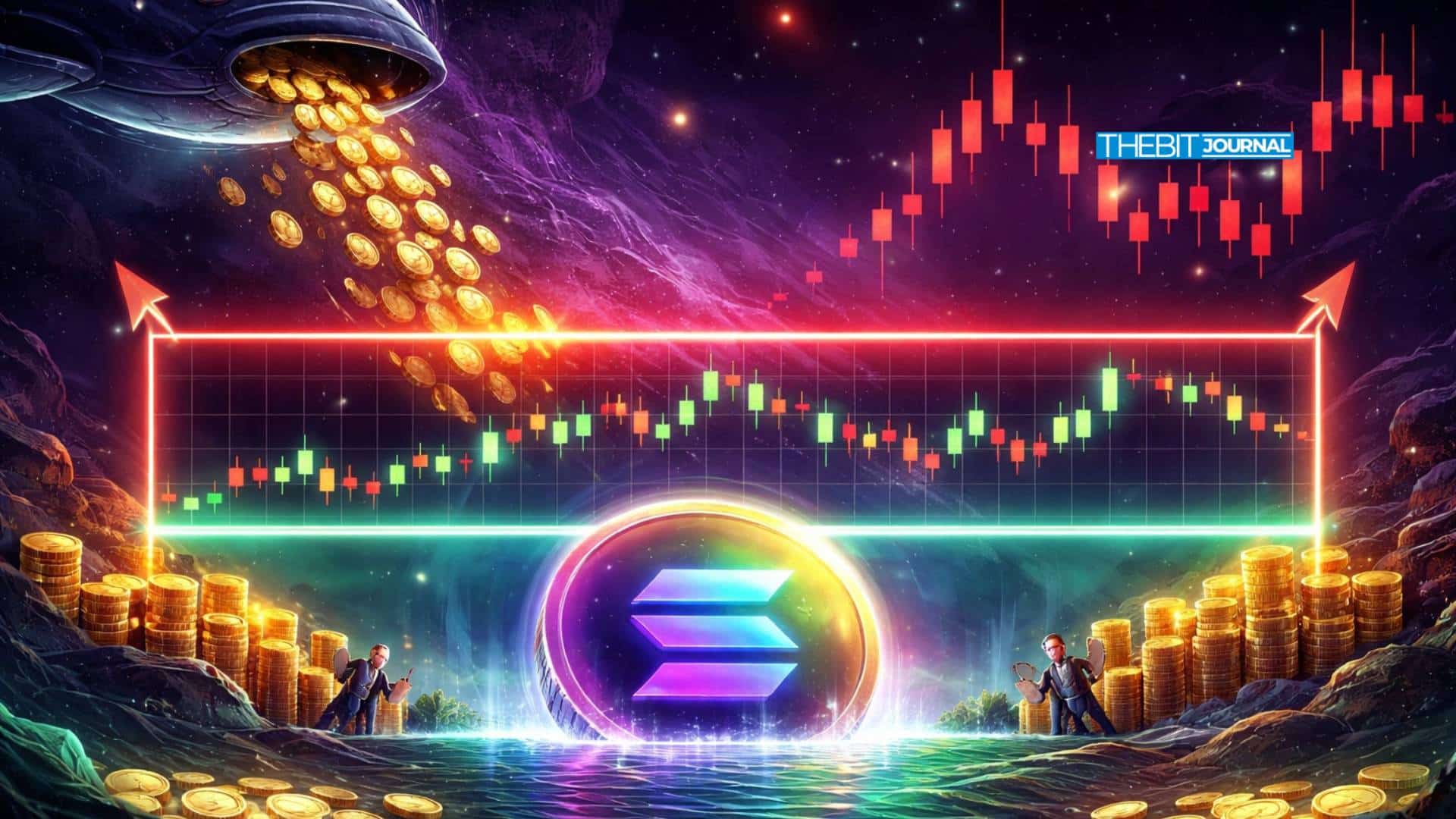
The path from here looks fairly clear. If SOL holds above $80 and activity stabilizes, the market may treat March as a reset rather than a breakdown. That would give bulls room to rebuild confidence and argue that the slowdown was more about cooling speculation than structural weakness.
If $80 breaks cleanly, sentiment could worsen in a hurry. Crypto traders often react fast when a widely watched floor gives way, and once momentum turns, support levels below it come into play almost automatically. That is why Solana price remains one of the more important signals in the altcoin market this week.
Conclusion
Solana has not lost relevance, but it has lost some speed, and markets notice that quickly. March brought lower DEX volume, weaker fee generation, and stronger competition from Ethereum’s expanding trading stack. For now, the story is not collapsing. It is caution. The next move depends on whether buyers can defend $80 and whether onchain activity starts to recover before confidence slips further.
FAQs
Why is Solana price near $80 important?
It is a major support area that traders are using to judge whether buyers still have control.
What does lower DEX volume usually mean?
It often signals weaker trading demand, slower momentum, and reduced speculative activity.
Is Solana still active despite the slowdown?
Yes. The network still shows meaningful app revenue, which suggests usage has not disappeared.
Glossary of Key Terms
DEX volume: The total value traded on decentralized exchanges over a set period.
Network fees: The fees users pay to transact on a blockchain.
Support: A price zone where buyers often step in to prevent further declines.
Market share: The portion of total activity controlled by one network compared with rivals.
Sources
Disclaimer: This article is for informational purposes only and does not constitute investment advice. Crypto assets are volatile, and market conditions can change quickly.