



Last updated: November 22, 2026
bitcoin full node vs light node comes down to how much of Bitcoin’s data a wallet downloads and verifies itself. A full node checks the blockchain from its beginning, while a light node uses less data and requests transaction information from full nodes. The choice affects verification, privacy and the resources needed to run a node.
Key Takeaways
- A full node downloads and validates blocks from the beginning of Bitcoin’s chain to the latest block.
- A light node, often called an SPV client, downloads block headers and requests transaction proofs from full nodes.
- Light clients use less data, but their proofs don’t independently establish that every transaction is valid.
- A full node supports independent verification but requires storage, bandwidth and setup.
Bitcoin full node vs light node: what each one does
Bitcoin’s developer guide defines a full node as software that downloads and validates blocks from genesis, the first block, through the latest block. It checks the chain against Bitcoin’s rules instead of taking a wallet provider’s word that a transaction is valid. A node can do this without mining.
A light node, also called a Simplified Payment Verification (SPV) client, downloads block headers and requests proofs tied to particular transactions. The Bitcoin developer guide explains that it doesn’t fetch and validate every block’s full data.
This smaller workload makes a light client practical in a phone wallet, where downloading and storing the entire blockchain may not be. The trade-off is reliance on information supplied by other nodes.
How verification and trust differ
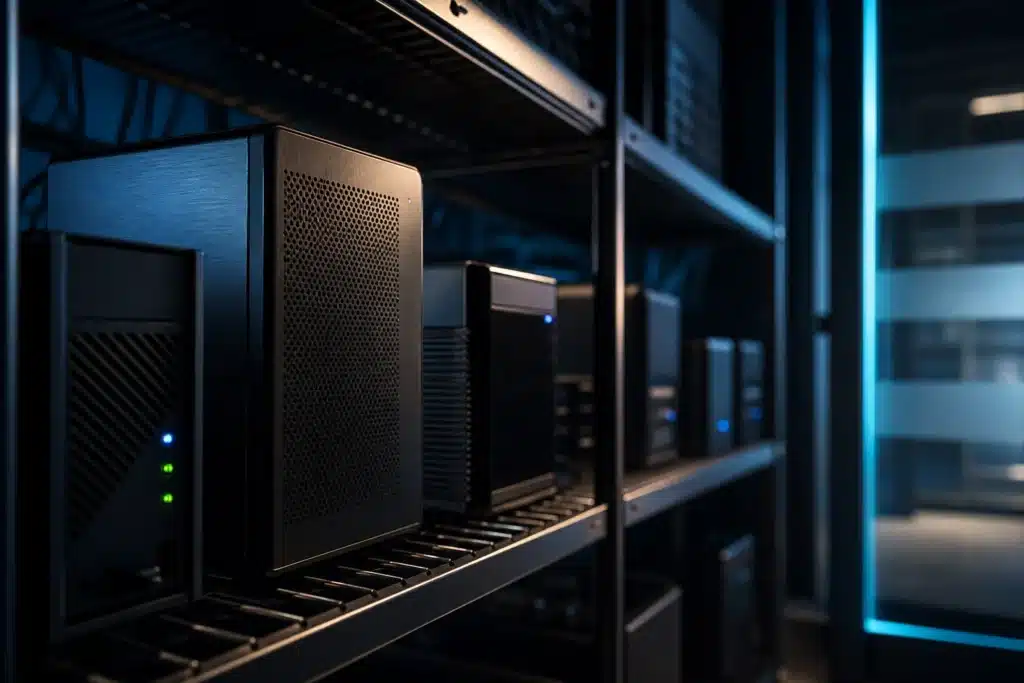
A full node checks blocks and transactions against the rules it follows, letting its operator independently verify the chain it accepts. The operator still depends on sound software and a secure environment, and running a node doesn’t remove Bitcoin’s market or technology risks.
A light client’s Merkle proof can show that a transaction was included in a block. But the developer guide says the proof doesn’t establish that the transaction itself is valid. Instead, the client uses the chain’s accumulated proof of work as a security proxy.
SPV has limits. A peer can omit a transaction when replying to a client, according to the guide. A missing response alone doesn’t prove a payment never happened. Comparing information from multiple sources may help, but light verification isn’t the same as checking the full chain locally.
So bitcoin full node vs light node isn’t simply secure versus insecure. It describes how much verification happens on the user’s device and how much depends on peers.
Storage, bandwidth and setup trade-offs
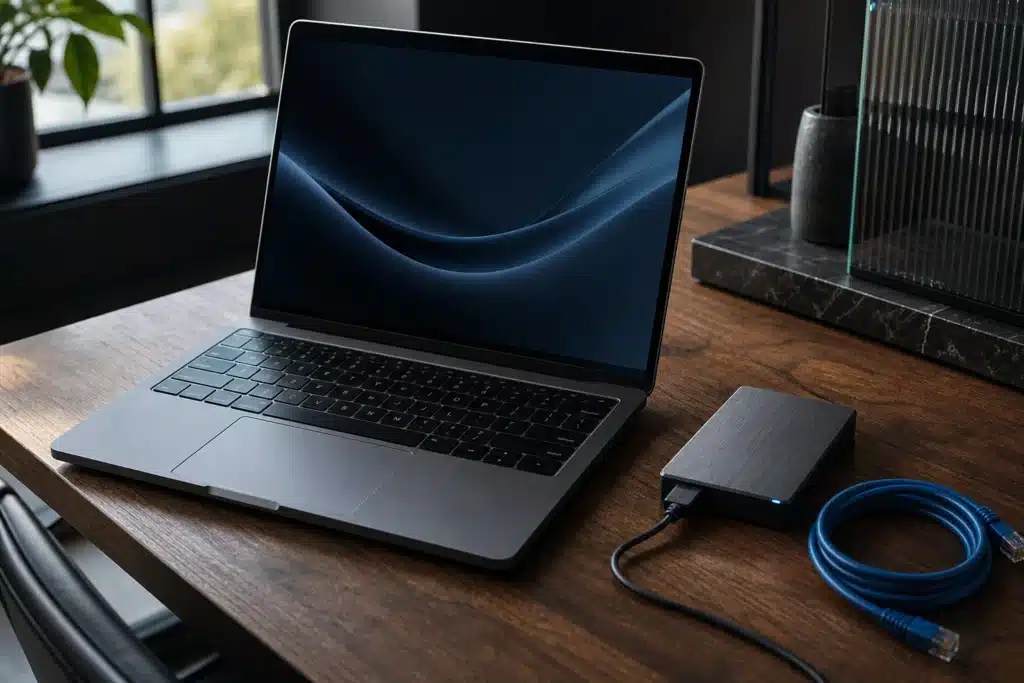
Full-node requirements change as the blockchain grows and software and hardware change. Bitcoin.org estimates an initial download of about 740 GB, plus ongoing monthly data use. That’s the site’s estimate, not a permanent hardware specification. Available storage and connection limits matter too.
Bitcoin Core offers pruning, which lets users validate blocks while keeping less historical block data afterward. Its release notes set the minimum allocation for raw block and undo data at 550 MB. That’s not the total disk space needed, since the block index and UTXO database also take space. Pruning isn’t compatible with the -txindex option, which supports historical transaction lookups.
Light clients need much less data. Bitcoin block headers are 80 bytes each, and the developer guide estimates header-only syncing can use up to 4.2 MB per year, regardless of total block size. A light client still needs an internet connection and peers for transaction information.
Privacy is another difference
A light client requests data related to its wallet’s transactions. The developer guide warns that asking a peer about transactions tied to wallet keys can reveal those addresses to that peer. A client may save storage while sharing more information with the node or service answering its requests.
BIP 37, assigned on October 24, 2012, specifies Bloom-filter-based transaction filtering for SPV clients. Its rationale notes that precise filters can let peers connect wallet activity with a client’s IP address. Privacy depends on wallet design and network setup, so the label light node alone doesn’t show how much information a client exposes.
A full node doesn’t automatically make every wallet action private. It changes who supplies blockchain data and who verifies it. Wallet software, internet connections and device security still matter, and a node does not by itself protect users from scams or secure their keys.
Which type fits different needs?
A light node may suit someone who wants to check balances and transactions in a mobile wallet without storing large amounts of blockchain data. That convenience comes with reliance on peers and the privacy trade-offs described above.
A full node may suit someone who values independent validation and can manage storage, bandwidth and maintenance. Pruning can reduce retained block data, but doesn’t remove other storage needs or provide every historical lookup feature. Bitcoin.org also says a full node can serve lightweight clients.
In practical terms, bitcoin full node vs light node is a trade-off between local verification and convenience. Neither removes the risks of Bitcoin’s price volatility, software faults, exchange failures or fraud. Node type concerns how blockchain data is checked, not Bitcoin’s market price.
Frequently asked questions
Is a Bitcoin full node safer than a light node?
A full node independently validates blocks, while a light node relies on proofs and information from peers. That changes the trust model, but neither removes risks from faulty software, insecure devices, scams or market volatility.
Can a light node verify Bitcoin transactions?
It can use a Merkle proof to check whether a transaction was included in a block. The Bitcoin developer guide says this doesn’t prove the transaction itself is valid. SPV clients use accumulated proof of work as a security proxy.
How much storage does a Bitcoin full node need?
Requirements depend on the setup and change over time. Bitcoin.org estimates an initial download of about 740 GB plus ongoing monthly use. Bitcoin Core pruning can reduce stored block data, with a stated 550 MB minimum for raw block and undo data, but other files need space too.
Does a full node make Bitcoin transactions private?
No. A full node changes how blockchain data is obtained and checked, but does not by itself ensure transaction privacy. Wallet design, peer connections and device security still matter.
Sources
- Operating Modes, Bitcoin (developer.bitcoin.org)
- Bitcoin price and market data (CoinGecko)
- 3 Events That Could Shake Bitcoin Prices During Thanksgiving Week (BeInCrypto)
This article is for informational purposes only and does not constitute financial or investment advice. Cryptocurrencies are highly volatile; always do your own research before investing.