






Japan is moving closer to a regulated digital asset market as policymakers push yen-backed stablecoins and a legal path for crypto funds. Still, it gives investors a clearer lens on XRP, an asset tied to Asian banking links, payment rails, and settlement use cases. For traders watching the next institutional crypto cycle, the XRP ETF debate is hard to ignore.
Japan Looks Beyond Dollar Stablecoins
Japan’s latest policy direction shows a clear concern: digital money is growing fast, but most stablecoin activity still leans on the U.S. dollar. That puts pressure on countries that want their own currencies to stay useful in cross-border settlement. A yen-backed stablecoin framework could help Japan build payment rails that are faster, cheaper, and easier to supervise.
Stablecoins are no longer just trading tools as they are becoming settlement assets for remittances, business payments, tokenized markets, and exchange liquidity. When a major economy supports regulated stablecoin use, the signal reaches banks, fintech firms, developers, and asset managers.
Why an XRP ETF Could Gain From Japan’s Policy Shift
An XRP ETF would give traditional investors a familiar route to gain exposure without handling wallets, private keys, or exchange accounts. That is the real appeal of ETFs in crypto. They lower the technical barrier and place assets inside a regulated wrapper that brokers already understand.
Japan matters because XRP has long been linked with cross-border payments and financial settlement. Its value case leans on speed, liquidity movement, and bank-facing infrastructure, rather than only retail speculation. If Japan builds clearer ETF rules, the XRP ETF discussion could gain a more serious tone.
The key indicator to watch is regulatory confirmation, not online hype. A filing, review process, fee structure, custody model, and exchange approval would matter more than market chatter. Until those details appear, the XRP ETF remains a possibility.
XRP Market Indicators Send Mixed Signals
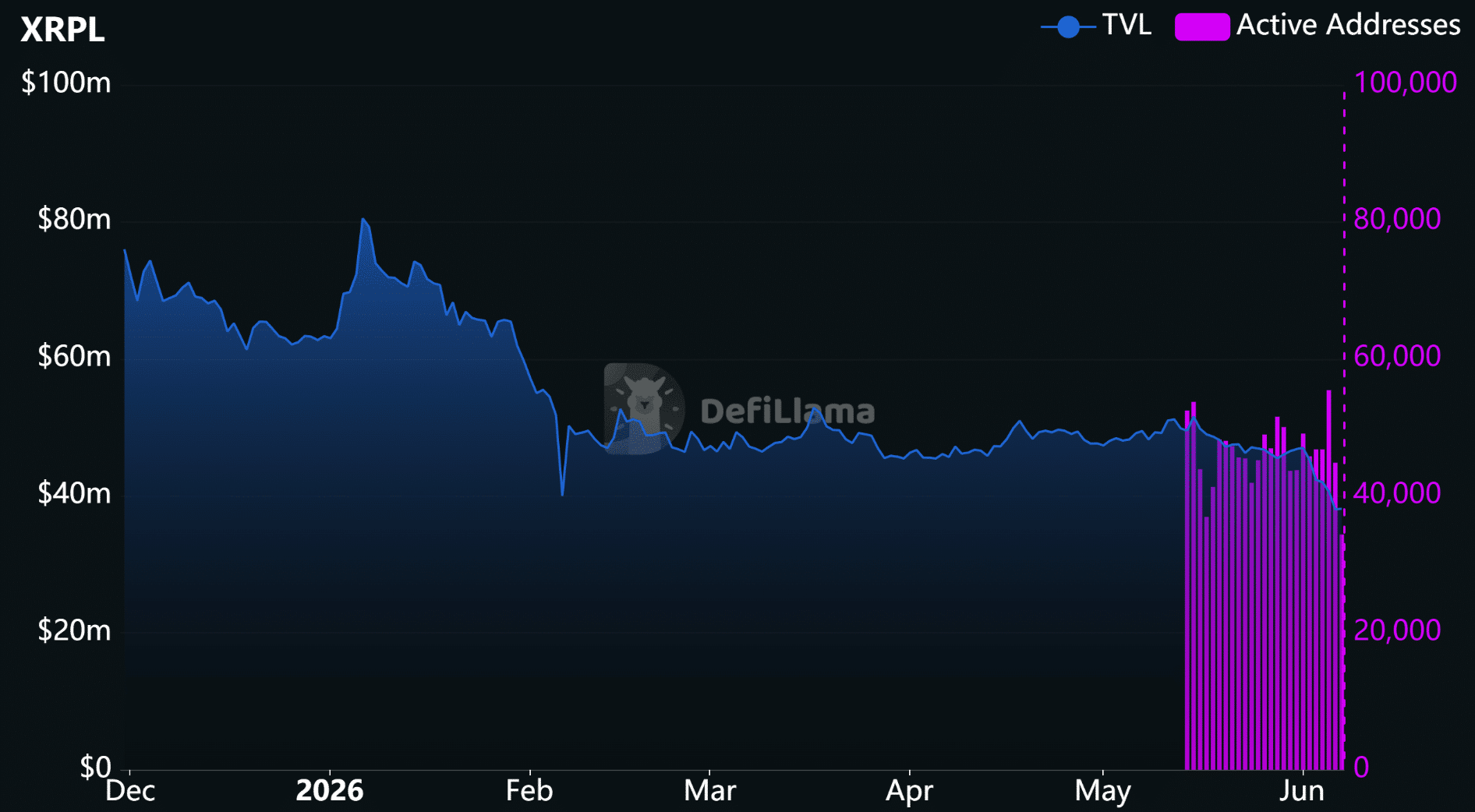
XRP’s daily transactions and address growth suggest the network is still being used beyond short-term trading. Stablecoin activity on the XRP Ledger also adds a useful layer, since payment-focused chains gain more value when settlement assets move across them.
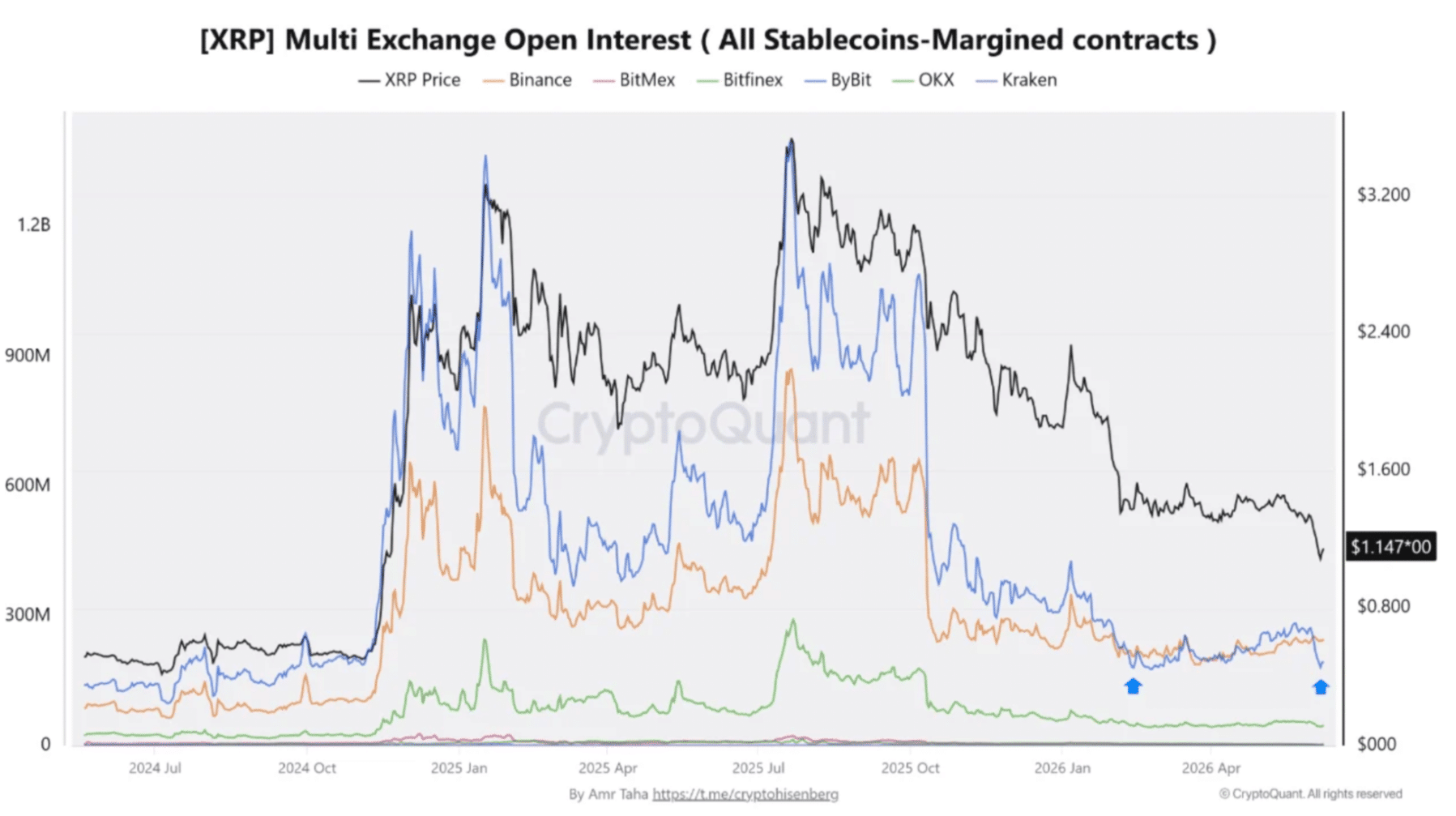
Open interest is another important signal. When futures positions fall after a price drop, it often means leverage has been flushed from the market. That can reduce forced selling pressure, but it does not automatically create a clean bullish setup. If open interest stays high, traders should expect sharper moves both ways.
Price recovery also needs context. A bounce after a dip can show buyer interest, but stronger confirmation usually comes from higher spot volume, better liquidity, and lower liquidation risk. In plain English, XRP needs real demand, not crowded leverage.
What Comes Next for Investors
Japan’s policy push may help digital assets enter a more mature phase in Asia, where regulation, settlement, and institutional access carry more weight than loud market cycles. For XRP, the upside case is practical: if regulated stablecoins and crypto funds become easier to launch, payment-focused networks could receive more serious capital.
Still, investors should keep both feet on the ground. An XRP ETF would need formal approval, and crypto markets remain sensitive to regulation, liquidity, Bitcoin direction, and macro pressure.
Conclusion
Japan’s yen stablecoin and crypto ETF direction gives XRP a stronger policy backdrop, especially in a region where payment innovation is moving into the mainstream. The XRP ETF angle is not confirmed, yet it now sits inside a broader regulatory conversation that investors cannot brush aside.
Frequently Asked Questions
What is driving the latest XRP attention in Japan?
Japan is exploring yen stablecoins and crypto ETF rules, which could support regulated digital asset products and payment-focused blockchain use.
Has Japan approved an XRP ETF?
No. No approval has been confirmed. The market is watching whether formal rules and product filings move forward.
Why do stablecoins matter for XRP?
Stablecoins can increase settlement activity on blockchain rails, while XRP focuses on fast value transfer.
Glossary of Key Terms
Stablecoin: A digital token designed to track a fiat currency.
ETF: A regulated fund traded on an exchange.
Open Interest: The total value of active futures contracts.
Sources
Disclaimer: This article is for informational purposes only and is not financial advice. Cryptocurrency trading involves risk, and readers should conduct independent research before making investment decisions.