

Last updated: November 25, 2026
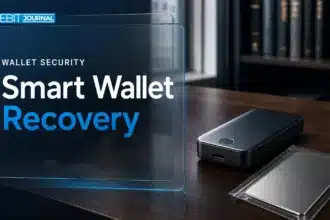
Smart wallet recovery depends on how the wallet was set up, not on a universal reset process. Some wallets restore access through a synced passkey or recovery phrase, while others let guardians or an approved module authorize a new signer.
Quick answer
Smart wallet recovery restores control through the wallet’s configured security rules, which may include a passkey, a recovery phrase, trusted guardians or a recovery module. Before acting, check the wallet provider’s official instructions and confirm the recovery method, fees and chain requirements, because a mistaken or malicious recovery can put funds at risk.
Smart wallet recovery methods, step by step
- Identify the wallet and account type. Find the wallet’s official app or support site and check whether the account is a smart contract wallet. Smart wallets can apply custom rules to approve transactions, but their recovery options differ by provider and configuration. ERC-4337 enables smart contract accounts to use custom validation logic, including multisignature arrangements and custom recovery. The standard does not make every wallet’s recovery process identical.
- Check whether your passkey still works. If the original phone or computer is missing, try the passkey provider’s supported recovery process on a replacement device. Coinbase says cloud-synced passkeys managed by services such as iCloud Keychain, Google Password Manager or 1Password may be available across devices. A device-bound passkey, however, may not be accessible after that device is lost. Its Smart Wallet recovery instructions say users need to create a recovery phrase while they still have access to the original passkey.
- Use only the recovery material you set up. A recovery phrase is not automatically part of every smart wallet. If your wallet uses one, follow the provider’s instructions and enter it only in the official wallet recovery flow. For background on how phrases restore wallet access, see this guide to crypto seed phrase security. Never share a phrase or passkey with someone claiming to provide support.
- Follow the guardian or module process, if configured. Some accounts require signatures from designated guardians to approve a new signer or change access rules. ERC-7093 proposes an interface that separates guardian identity and recovery-policy checks from the recovery process. Safe accounts can also use recovery modules, but enabling or removing one requires approval from the account’s owner threshold. Safe warns that a malicious module can take over an account.
- Verify the result and keep a record. Confirm the wallet address and network in the official app before signing anything. Check that the new signer has the access you intended and that you can use the wallet after recovery. Coinbase says its process adds a new signer and charges a network fee once for each chain in use. Fees and steps vary across wallets.
Account abstraction has expanded the design options, but it does not guarantee recovery. Ethereum.org reported that, as of its June 24, 2026 update, the ERC-4337 EntryPoint had facilitated more than 26 million smart-wallet creations and 170 million UserOperations. Those figures describe activity, not the safety or recoverability of any individual account.

Smart wallet recovery methods compared
| Method | How it works | What to check |
|---|---|---|
| Synced passkey | A passkey provider makes credentials available on supported devices. | Whether the passkey is cloud-synced or tied to a lost device. |
| Recovery phrase | Wallet-specific recovery material helps authorize account access or a new signer. | Whether the wallet supports it and when it must be created. |
| Social recovery | Selected guardians provide signatures under the wallet’s recovery rules. | Who the guardians are, how many approvals are required and how they respond. |
| Recovery module | An approved smart contract module adds a recovery function. | Who controls the module and the approvals needed to add or remove it. |
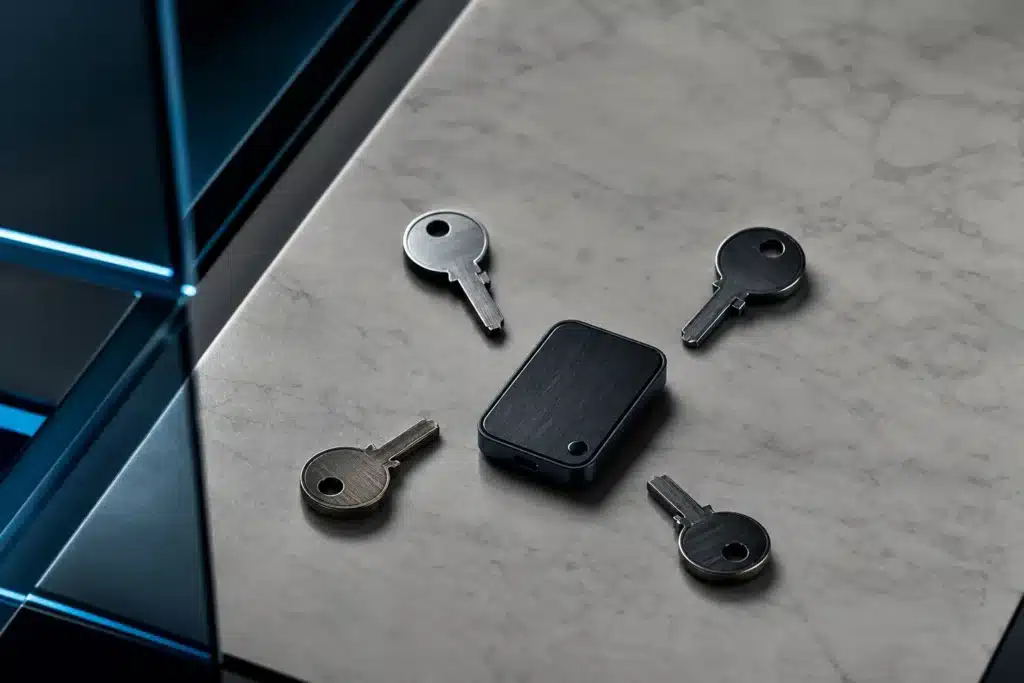
These methods can overlap. A wallet might use a passkey for everyday transactions and a separate recovery phrase or guardian process if that passkey is lost. Read the wallet’s own setup details instead of assuming that features described for one provider apply to another.
Common mistakes and risks
Waiting until access is lost. Some recovery options must be configured in advance. Coinbase says its Smart Wallet recovery phrase must be created while the original passkey is still available. If that step was skipped, check official support for the options that remain; don’t assume a provider can override the account’s rules.
Trusting unsolicited recovery offers. Scammers may pose as wallet support and ask for a phrase, private key or remote access. A legitimate recovery method should be verified through the provider’s official website or app. No helper needs your secret phrase to explain the process.
Approving an unknown module or signer. A recovery tool may receive significant control over an account. Safe’s documentation warns that a malicious module can take over a Safe account. Confirm the module’s identity, the approvals it needs and how it can be removed before authorizing it.
Ignoring chain costs and account rules. Recovery may require a network transaction, and costs or steps can differ by chain. Review the destination address and network carefully. Blockchain transactions may be difficult or impossible to reverse, and wallet, exchange, device and smart contract risks remain even after recovery. For broader protective steps, read about how to secure a crypto wallet.

Smart wallet recovery FAQ
Can I recover a smart wallet without a seed phrase?
Sometimes. A wallet may use a passkey, guardians or a recovery module instead of a conventional seed phrase. The available route depends on what was configured for that specific account. Check the provider’s official documentation before taking action.
What is social recovery in a smart wallet?
Social recovery lets designated guardians authorize a recovery step, such as adding a new signer, under rules set by the wallet. ERC-7093 proposes a social-recovery interface for smart contract accounts. It is a proposal, not proof that every wallet supports the same process or guardian requirements.
Can smart wallet recovery always restore access?
Not in every case. Recovery can fail if required passkeys or guardians are unavailable, if the recovery method was never configured, or if the wallet’s rules cannot be met. ERC-7947, created as a Draft Standard Track proposal on May 7, 2025, describes a provider-based recovery interface, but it does not mean all wallets implement it. Confirm the wallet’s actual features and consider the risk of permanent loss before relying on any single recovery path.
Sources
- Recover your smart wallet (help.coinbase.com)
- ERC-4337: Account Abstraction Using Alt Mempool (eips.ethereum.org)
- Account abstraction (ethereum.org)
This article is for informational purposes only and does not constitute financial or investment advice. Cryptocurrencies are highly volatile; always do your own research before investing.