



Last updated: November 25, 2026
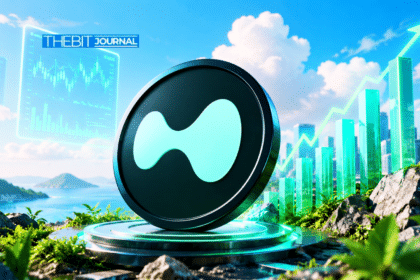
A scientific research token is a digital token used in a blockchain-based project connected to scientific research. It isn’t one standard cryptocurrency: its purpose depends on the project and may include community activity, research funding or platform access.
Key Takeaways
- A scientific research token is a broad description, not a standardized token category.
- DeSci projects apply blockchain tools to parts of research, including funding, review and sharing.
- ResearchCoin (RSC) is one example, with functions tied to the ResearchHub platform.
- Token ownership alone does not establish research results, financial returns or the holder’s legal rights.
What does a scientific research token mean?
The phrase usually refers to a crypto token used in decentralized science, often shortened to DeSci. According to Ethereum.org’s overview of DeSci, the movement uses blockchain infrastructure for research funding, creation, review, credit, storage and dissemination. The page was last updated on October 16, 2026.
One project might use a token to reward discussion of academic work; another could tie it to access or input on a research project. The label alone doesn’t define a holder’s rights. Those depend on the project’s terms and token design.
A token isn’t proof that research is sound or has passed independent scientific review. Blockchain records can track transactions or activity, but they don’t verify a study’s quality by themselves.

How are research tokens used?
Some projects use tokens to encourage participation in online research communities. ResearchHub says users can earn ResearchCoin for sharing, curating and discussing academic science. The token can also be used for bounties, tipping content and voting on community decisions.
These functions aren’t the same as company ownership. A token used for a bounty or platform vote doesn’t automatically give holders shares, revenue rights or control over a research institution. Token-based funding is not evidence that results will follow, a study will be published or reviewers are qualified.
ResearchCoin as an example
ResearchCoin, or RSC, is an ERC-20 utility token used on ResearchHub. The platform’s published token details list a total supply of 1 billion RSC, an initial circulating supply of 7.5 million and a maximum annual increase of 50 million in community circulating supply. These are token-design details, not a measure of current market value.
ResearchHub says RSC is available on Ethereum and Base. The foundation describes the Base version as backed 1:1 by the Ethereum token and says Base offers lower fees for RSC transactions. This describes the relationship between the two versions, but doesn’t remove blockchain or platform risks.
RSC is one example, not a template. Other projects may have different supply rules, uses and governance; a token’s name or mission doesn’t establish that it has RSC’s features.

Does a research token give holders ownership or a vote?
Not necessarily. Some tokens support votes on community decisions or provide access and a way to contribute to discussions. A community vote may be advisory rather than binding, so check what holders can influence and who has final authority.
For comparison, see our explanation of how onchain governance voting works. A voting feature doesn’t by itself establish company ownership or a share of profits.
A U.S. regulatory development illustrates the distinction. On November 24, 2026, SEC Corporation Finance staff issued a no-action response to Molecule AG concerning proposed Project Token sales by its subsidiary LabsCo. The Block reported that the tokens were described as offering research-project access and nonbinding input on research priorities, without equity, profit or revenue rights in the operating company.
The SEC staff response applies to the facts presented and states that it expresses the Division’s enforcement position, not a legal conclusion. Different facts could lead to a different result, and this response isn’t a general ruling for all research tokens.

Risks to understand before using one
A scientific research token can carry ordinary crypto risks, including price volatility, loss of the full amount paid, smart contract flaws and problems with an exchange or wallet provider. It may also have limited liquidity, and a project’s stated uses can change. A connection to science doesn’t remove these risks.
There are research-specific questions, too. A token community’s popularity isn’t peer review, and incentives can shape participation without proving claims are accurate. Check how a project selects research, handles conflicts of interest and reports outcomes.
Wallet interactions can expose users to malicious approvals or impersonation scams. Our guide to checking and revoking crypto approvals explains one wallet risk. Never share a seed phrase with anyone claiming to represent a research project.
Digital asset rules differ by country and may depend on a token’s design and how it’s offered. The November 2026 SEC response concerns one arrangement, not every token or jurisdiction. For legal or tax questions, consult a qualified professional in your country.
Frequently asked questions
What is a scientific research token used for?
It may support research community participation, bounties, tipping, project access or voting. Functions vary, so the project’s published terms matter more than the label alone.
Is ResearchCoin the same as a scientific research token?
ResearchCoin (RSC) is one example. It’s an ERC-20 utility token used on ResearchHub, where the platform describes uses including bounties, tipping and community voting.
Does holding a research token mean I own a research company?
No, not automatically. A token may provide platform features or project access without conferring equity, profit rights or ownership. Verify the rights in the project’s terms.
Are scientific research tokens investments?
Some may be bought or traded, but the category has no single financial structure. Prices can fall, projects can fail and holders may have no claim to company revenue. A research-related purpose does not establish a token’s value or remove its financial risks.
Sources
- Decentralized science (DeSci) (ethereum.org)
- Molecule AG (www.sec.gov)
- What is ResearchCoin? (docs.researchhub.com)
This article is for informational purposes only and does not constitute financial or investment advice. Cryptocurrencies are highly volatile; always do your own research before investing.