




The music industry has always faced one big problem. Artists do not get paid fairly or on time. The money then reaches the creators of the songs through record labels, publishers, and streaming platforms, who get a huge portion of it. The payouts will be delayed for months, and the artists will have little say or oversight on how the royalties will be calculated.
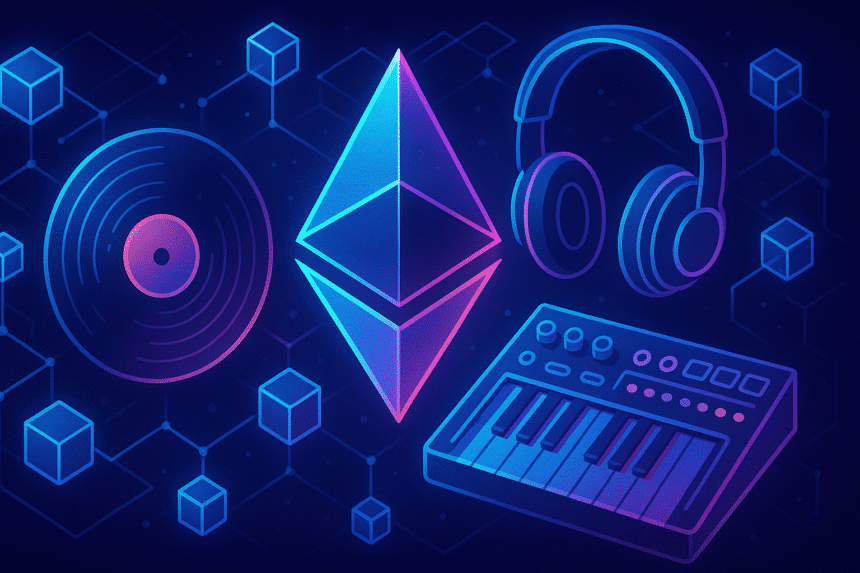
This issue is being attempted to be resolved by music platforms Web3. With the help of blockchain technology and smart contracts, such platforms provide an opportunity to make payments more quickly, transparently, and fairly. All the transactions are captured on the blockchain, hence there is no confusion as to who receives what. The idea is simple. In case a song is played, the smart contract will automatically divide the payment between the artist, producer, or any other individual involved.
This new system could be the future of music royalties. It gives artists more power and fans more trust. The following sections explain how Web3 music works and why it is changing royalty payments across the world.
What is Web3 Music?
Web3 music means music platforms that are built on blockchain instead of old centralized servers. Traditional platforms like Spotify or Apple Music are controlled by companies that hold all the data and control all the money flow. Web3 platforms are different. They are decentralized, which means no single company has full control.
In Web3 music, artists can upload songs directly to the blockchain. The songs can be linked to smart contracts that decide how payments are shared. Fans can also interact with music in new ways. Instead of just streaming, they can buy music NFTs, collect rare editions, or even earn rewards for supporting their favorite artists.
The goal of Web3 music is simple. It is about giving artists more control and giving fans more value. Instead of middlemen controlling the process, the blockchain records every detail in a way that everyone can see. This makes the system more open and fair.
Problems With Music Royalties Today
The current royalty system in the music industry is broken. Artists often wait months to receive payment after their songs are played. In some cases, the money is stuck in legal disputes between publishers and record labels. Many musicians say they never see the full amount they are owed.
One big issue is the lack of transparency. Streaming platforms pay money to the labels, which share it with publishers and artists. Every stage consists of additional charges and unspecified regulations. Small artists are the worst hit since they lack bargaining power.
Excess middlemen are also another problem. Between the streaming companies and the gathering societies, each of the intermediaries takes a cut. This lessens what finally gets to the artist. For example, an artist may get only a few cents for thousands of plays on Spotify.
Disputes over royalty splits are also common. Producers, songwriters, and featured artists often fight over who gets what percentage. Without clear tracking, many of these issues end up in courts, taking years to resolve.
How Smart Contracts Work in Music Platforms
The primary factor that makes Web3 music platforms not the same as traditional streaming services is that of smart contracts. A smart contract is nothing more than computer code that is on the blockchain. When it is established, it cannot be altered by anyone. This renders it highly dependable in royalty payments.
Indicatively, when a musician posts a song on a Web3 music site, he/she can establish a smart contract that states: 50% to the singer, 30% to the producer, 20% to the songwriter. Whenever the song is listened to or purchased, it is logged into the blockchain, and the payment is automatically transferred to every wallet address. Waiting is nonexistent; there are no middlemen, no back cuts.
This system brings royalty transparency because everyone can see how the money is split. Artists don’t have to trust labels or third parties. The blockchain keeps everything open. Fans can also check the contracts, which builds more trust in the platform.
Smart contracts also reduce human error. In traditional systems, accountants and lawyers spend time calculating royalties, which leads to mistakes. On Web3 platforms, the code does all the work, making fair royalty payments automatic and instant.
Royalty Transparency in Web3 Platforms
The biggest advantage of Web3 is royalty transparency. In the old music industry, artists often had no way to check how much money their songs actually made. Labels and publishers controlled the numbers, and small musicians just had to accept what they were told.
In the case of Web3 music, all transactions are transparent. The blockchain reveals the precise amount of money that a song earned and its receipt point. Such transparency helps in preventing cheating or delays in payments. Artists are able to have a real-time view of their earnings, and fans are able to know they are putting their money on the right individuals.
Independent artists are also assisted through this new model. There are a lot of small musicians who do not have big contracts and lawyers. Web3 will enable them to post their songs, create smart contracts for their royalties, and receive payment directly. This eliminates the middlemen and gives them a larger share of their earnings.
Transparency in royalty also enhances better relations between the artist and fans. When a listener purchases or listens to a song on a Web3 platform, the artist is guaranteed a fair share. This feeling of justice might bring about increased loyalty of fans and increased backing of music projects.
Benefits of Web3 Music Platforms for Artists
The arrival of Web3 music platforms offers many benefits for artists who have long struggled with low payouts and delayed royalties. The biggest benefit is faster payments. Instead of waiting months for royalty checks, artists can receive money instantly through smart contracts.
Another benefit is fair royalty distribution. All the musicians who help in a song, the singer, producer, and others, are automatically paid their percentage as shown in the smart contract. This eliminates wrangles and everybody receives their portion.
The artists also enjoy global access without gatekeepers. Web3 leaves traditional music companies to distribution, whereas artists can get to fans across the globe by uploading music themselves. This is particularly effective among individual musicians who do not have large recording contract agreements.
A final benefit is new revenue models. Web3 platforms allow artists to sell NFTs of their songs, create limited editions, or launch fan tokens. These models bring more income sources beyond just streaming. Fans can even invest early in an artist’s music and share future profits, something not possible in the old system.
The combination of royalty transparency, fair payments, and direct fan support makes Web3 a major shift for artists in the digital music economy.
Benefits of Web3 Music Platforms for Fans
Web3 music platforms do not only help artists. They also bring many benefits for fans. One of the biggest changes is that fans can support their favorite artists directly. Instead of most of the money going to labels and platforms, payments go straight to the artist through smart contracts. This makes fans feel like their money has a bigger impact.
Fans can also enjoy ownership through music NFTs. In traditional streaming, a listener only rents access to a song. But in Web3, fans can own special editions of songs or albums. These NFTs can hold value, can be traded, and can even give access to concerts or private fan groups.
Another benefit is lower fees. Since Web3 music platforms cut out middlemen, fans don’t pay for unnecessary overhead. This means more affordable music and sometimes even rewards for being active listeners.
The most exciting benefit is the connection. Fans can become closer to artists by being part of a shared ecosystem. Buying a song NFT or holding a fan token makes the relationship deeper, creating a community instead of just a transaction.
Examples of Web3 Music Platforms
There are already several Web3 music platforms working to bring royalty transparency and fair payments into the industry. Some of the most popular ones include:
- Audius – A decentralized music streaming platform where artists upload songs directly. Fans listen free, and artists earn from tokens and NFTs. Audius is one of the largest in Web3 music.
- Royal.io – Created by DJ 3LAU, this platform lets fans buy shares of music royalties. Listeners can invest in a song and earn when it is played, creating a new way to support and benefit from music.
- Catalog – A Web3 marketplace where artists can sell one-of-one digital records as NFTs. Fans can own rare editions, and artists keep most of the money.
Other platforms like Sound.xyz and Opulous are also rising. Each one is exploring unique ways to use smart contracts and blockchain to improve music royalties and artist-fan relationships.
Traditional vs Web3 Music Royalties
To better visualize the difference, the following simple table displays the comparison of traditional streaming platforms and Web3 music platforms in relation to the transparency of royalty and their payments.
| Feature | Traditional Platforms | Web3 Music Platforms |
| Payment Speed | 3–6 months after plays | Instant payments through smart contracts |
| Royalty Transparency | Low, hidden behind contracts | High, all transactions on blockchain |
| Middlemen | Labels, publishers, distributors | None or very few |
| Earnings for Artists | Small share, often under 20% | Larger share, often 80% or more |
| Fan Involvement | Limited, only streaming | NFTs, tokens, royalty sharing |
This comparison shows how Web3 platforms solve long-standing problems with music royalties. By offering fast, clear, and fair systems, they change the way artists and fans interact in the music economy.
Case Studies: Artists Using Web3 for Royalties
Several artists have already started using Web3 music platforms to change how they earn music royalties. Their stories show how powerful smart contracts can be for fair payments.
One example is the DJ and producer 3LAU. He used Royal.io to sell part of his royalties for one song directly to fans. Listeners who bought shares earn money whenever the song generates income. This creates a clear case of royalty transparency and shared value between artists and supporters.
Another case is rapper Nas. He also partnered with Royal.io, letting fans own a percentage of streaming royalties for two of his songs. Instead of just listening, fans became partners in his success.
On Audius, many independent musicians upload tracks without signing to big record labels. They earn tokens directly when fans listen or engage. For smaller artists, this can mean keeping up to 80% or more of their income compared to the small cut they get from Spotify.
These examples show that Web3 is not only a theory. It is already helping artists of all levels earn fair royalty payments while building stronger fan relationships.
Challenges of Web3 Music Platforms
Even with all the benefits, Web3 music platforms face some challenges. One big issue is gas fees. Every transaction on the blockchain costs money. If fees are too high, small artists might find it hard to use the system.
The other issue is the adoption. Spotify, Apple Music, and YouTube continue to be used by millions of listeners. Royalty transparency and equitable payments may be superior, but it will take time before fans want to switch to Web3. It requires education as well, as not all artists and fans are fully aware of the functioning of smart contracts and NFTs.
There are also regulatory issues. Governments are still deciding how to treat music NFTs and blockchain royalties. Without clear rules, some big companies stay cautious.
Finally, competition among platforms may confuse both fans and artists. With many new Web3 platforms launching, it can be hard to choose where to upload music or buy NFTs.
These challenges do not stop growth, but they show that Web3 music is still early. As technology improves and more people learn, the issues will become smaller over time.
Future of Royalty Transparency in Music
The future of royalty transparency looks bright with Web3. Experts believe that in the next 5 to 10 years, smart contracts will become normal for tracking and paying music royalties. Major record labels may even partner with Web3 platforms to speed up fair payments.
A big part of the future will be AI combined with blockchain. AI can track song usage across platforms, while smart contracts handle automatic payments. Together, this creates a complete system where every play is counted and every dollar is distributed fairly.
Fans may also see more direct ownership. Instead of only streaming, they could hold pieces of albums, songs, or even tour revenue through NFTs. This model gives fans more than music; it gives them investment in artists’ careers.
It is also possible that in the future, hybrid platforms will emerge, in which the background of the Spotify-like apps will have Web3 payments. In this manner, listeners do not have to learn more about blockchain but would gain the advantages of transparency.
Overall, Web3 music platforms are shaping a future where artists are finally in control, payments are instant, and fans are partners, not just listeners.
FAQs About Web3 Music Platforms
What is Web3 music?
Web3 music refers to music that is hosted on blockchain applications, rather than the outdated streaming applications. It employs smart contracts to issue music payments and royalties. Musicians are allowed to post songs, and music NFTs can be possessed or exchanged by fans. This will allow royalty transparency in new ways never seen.
How do smart contracts pay artists?
Smart contracts on Web3 music platforms automatically split royalty payments. For example, if a song earns $100, the code divides it between the artist, producer, and songwriter based on percentages. The money goes instantly to their wallets without delays or middlemen.
Are Web3 royalties safer than traditional royalties?
Yes, Web3 royalties are safer because they are recorded on the blockchain. Every transaction is public, making royalty transparency real. Traditional royalties rely on contracts and paperwork that can be hidden or delayed.
Can fans really own music through NFTs?
Yes. Fans can buy NFTs linked to songs or albums on Web3 platforms. These NFTs prove digital ownership. Sometimes they also give extra benefits like concert tickets, early releases, or royalty sharing.
Will Web3 replace Spotify and Apple Music?
Web3 music platforms may not replace them soon, but they will likely work side by side. Many experts believe traditional platforms will slowly add smart contracts to offer fair royalty payments and attract more artists.
Glossary of Key Terms
Web3 – The next version of the internet, built on blockchain, where users own their data and digital assets.
Smart Contract – A computer code on blockchain that automatically runs agreements, like royalty payments, without third parties.
Royalty Transparency – The ability to see exactly how music royalties are calculated, split, and paid in real time.
NFT (Non-Fungible Token) – A digital asset on blockchain that represents ownership of unique items like music, art, or videos.
Blockchain Ledger – A digital public record where all transactions are stored permanently and can be verified by anyone.
Summary and Final Thoughts
The music industry has struggled with unfair royalty payments for decades. Delayed payouts, hidden contracts, and too many middlemen left artists with little control over their income. Fans also had no way of knowing if their money was really supporting creators.
Web3 music platforms change this system. By using smart contracts, they bring true royalty transparency. Payments are automatic, instant, and fair. Every transaction is stored on the blockchain, creating trust for both artists and fans.
For artists, the benefits include faster payouts, fairer distribution, global reach, and new income models like NFTs. For fans, Web3 means closer connections with artists, direct support, and ownership of digital music.
While there are challenges such as gas fees, adoption, and regulation, the future is moving toward blockchain-based royalty systems. Over the next years, more major labels, independent musicians, and listeners will embrace these platforms.
Web3 is not just a trend. It is the next step in the evolution of music. It promises a fairer system where artists get what they deserve and fans become true partners in the music world.