



Last updated: November 23, 2026
Bitcoin nodes vs miners comes down to two jobs: nodes verify Bitcoin’s rules, while miners use proof of work to propose blocks. The roles can overlap, but running a node doesn’t automatically make someone a miner, and a mined block still has to be valid.
Key Takeaways
- A full node independently checks blocks and transactions against Bitcoin’s rules.
- Miners use software to search for a block that demonstrates proof of work.
- Nodes won’t accept an invalid block just because a miner produced it.
- One operator can run a node and mine, but either role can exist on its own.
Bitcoin nodes vs miners: the basic difference
A Bitcoin node is software that participates in the network and checks Bitcoin data. A full node downloads and independently validates blocks from the start of the blockchain to its current tip. The Bitcoin Developer Guide says it accepts only a chain that follows its validation rules, rather than trusting a miner’s claim.
Miners have a different task. Mining software searches for a block that meets Bitcoin’s proof-of-work requirement. When a miner proposes a block, nodes check it. The Bitcoin Developer Guide describes the distinction: mining adds blocks through proof of work, while nodes check them against the rules.
A miner can propose a block but can’t compel independently verifying nodes to accept one that breaks the rules. A successful proof of work doesn’t replace those checks.
What does a Bitcoin node do?
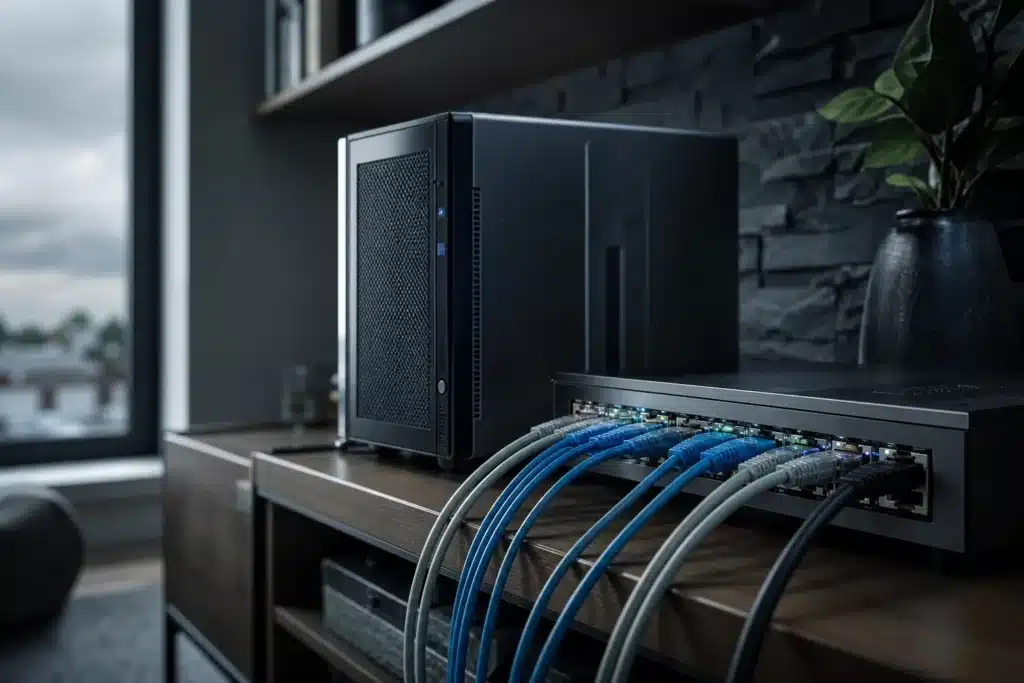
A full node validates blocks and maintains a chain made up of blocks it has accepted under Bitcoin’s rules. According to the Bitcoin Developer Guide, each full node keeps its own validated blockchain, rather than taking a miner’s word that a block is valid.
Nodes also connect with peers to receive and share network data. Bitcoin Core 32.1, announced on October 27, 2026, raised the default maximum number of automatic peer connections from 125 to 200, according to the project’s release notes. That setting isn’t a count of all Bitcoin nodes or users.
Node counts need context. Coin Dance reported 21,823 public Bitcoin nodes when checked on November 23, 2026. Its count filters duplicate addresses and covers publicly observed nodes, not every node, including non-listening ones. A node can be useful without appearing in a public count. Read our guide to Bitcoin full nodes and light nodes for more on node types.
How Bitcoin mining works
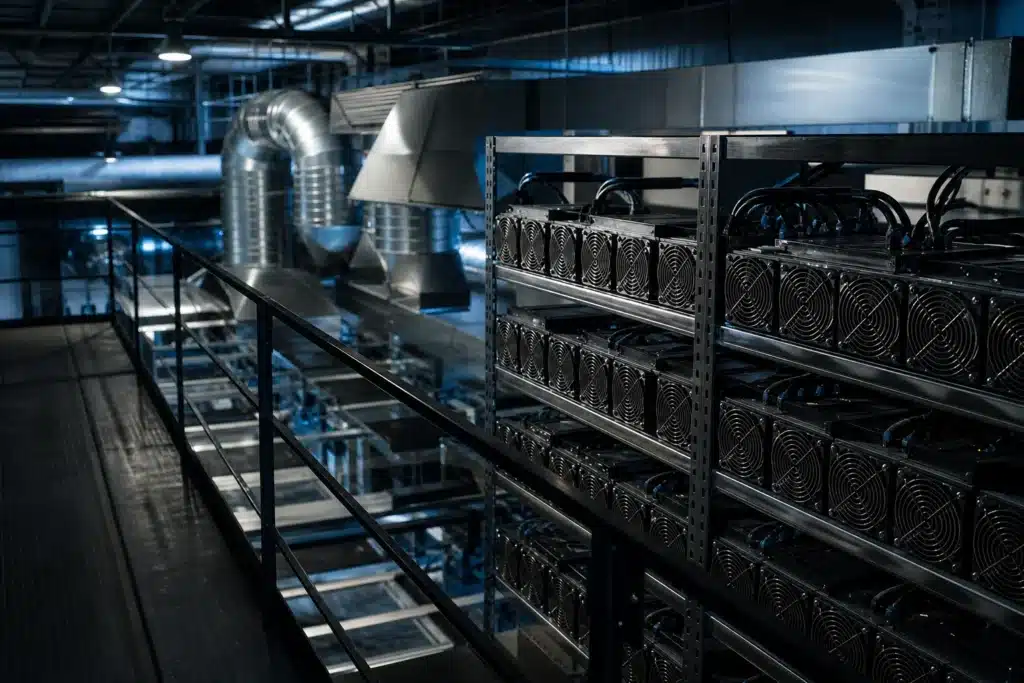
Miners use specialized software to search for a block that satisfies proof of work. If they find a valid candidate, they broadcast it, and nodes independently validate it. The Bitcoin Developer Guide describes solo miners using `bitcoind` to obtain transactions and a block template before mining software searches for proof of work.
Bitcoin’s block subsidy is part of this process. As of November 23, 2026, it is 3.125 BTC, following the reduction at block 840,000 on April 20, 2024. Bitcoin.org says the next halving is scheduled for block 1,050,000, estimated for 2028, when the subsidy will become 1.5625 BTC. These protocol figures don’t promise a miner a particular income.
Mining conditions change, too. Mempool.space reported that the mainnet difficulty adjustment at block 975,744 on November 14, 2026, lowered difficulty by 9.13% to 134.82 trillion. Difficulty affects the work miners face, not a node’s job of validating blocks.
Can a Bitcoin node also be a miner?
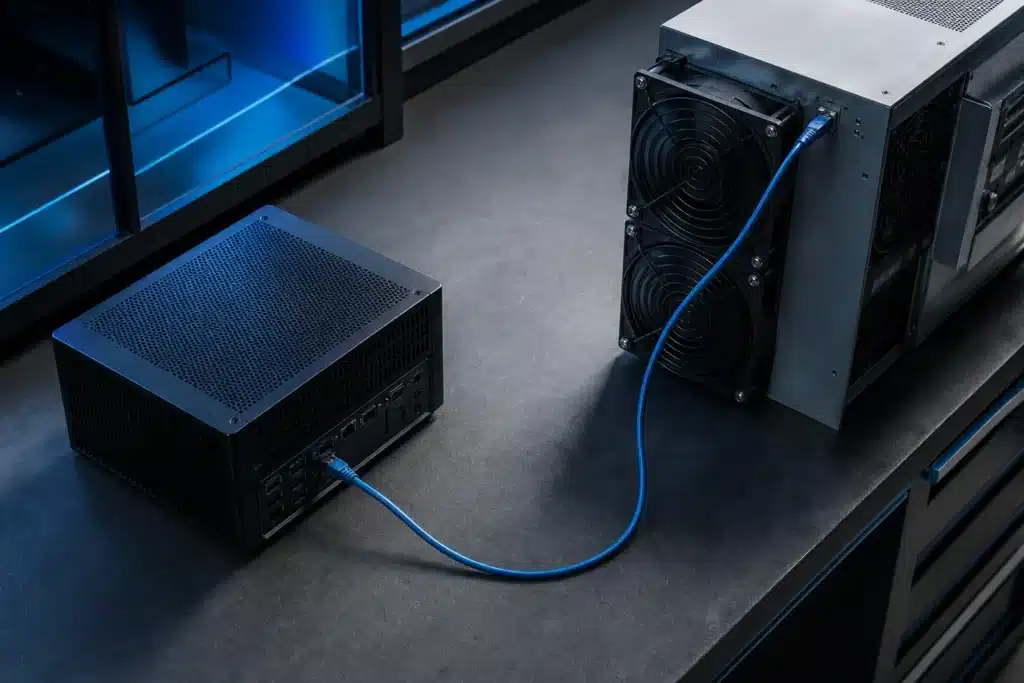
Yes. The roles are distinct, but not mutually exclusive. A solo miner can run node software to access transactions and a block template, then use mining software to search for proof of work. The node handles validation and network data; mining equipment and software perform the search.
Many node operators don’t mine, and every proposed block still has to pass validation. Bitcoin nodes vs miners describes different tasks, not two kinds of network authority. One operator can perform both, or separate participants can handle them.
Our article on Ethereum staking versus running a node explains another case where network participation and block production are related but not identical.
Why the distinction matters
Proof of work alone doesn’t determine whether a block follows the protocol. Miners propose blocks; nodes check those proposals independently. Mining power and rule validation are separate functions.
More miners don’t mean every block they produce will be accepted. Each full node checks a candidate under its own rules. If a block fails, the node won’t accept it as part of its validated chain, according to the Bitcoin Developer Guide.
Running node software isn’t the same as mining, and neither activity removes the risks of using Bitcoin. Its price can be volatile, and users may face exchange, software, custody, or scam risks. These technical roles explain how the network works, not whether Bitcoin is suitable for an individual.
Bitcoin nodes vs miners FAQ
Do Bitcoin nodes create new bitcoin?
No. Nodes validate blocks and network data. Miners search for proof of work and propose blocks. The block subsidy is issued under Bitcoin’s protocol rules through mining, not simply by operating a node.
Can Bitcoin work without miners?
Miners perform the proof-of-work process that adds proposed blocks. Nodes validate those blocks but don’t mine just by checking them. The two functions support different parts of Bitcoin’s block process.
Can miners change Bitcoin’s rules?
A miner can propose a block, but a full node independently checks whether it follows the rules. The Bitcoin Developer Guide says nodes accept only chains that pass their validation checks, not a miner’s assertion that a block is valid.
Does running a Bitcoin node make someone a miner?
No. Running a node means validating and sharing Bitcoin data. Mining requires software to search for proof of work. One operator can do both, but operating a node alone doesn’t perform the mining task.
Sources
- Bitcoin price and market data (CoinGecko)
- Strive (ASST) Buys No Bitcoin Last Week, Holdings Stay at 43,404 BTC (Bitcoin Magazine)
- Bitcoin Price Fades Near $61,000 as Stocks Soar on Huang’s Return (Bitcoin Magazine)
This article is for informational purposes only and does not constitute financial or investment advice. Cryptocurrencies are highly volatile; always do your own research before investing.