




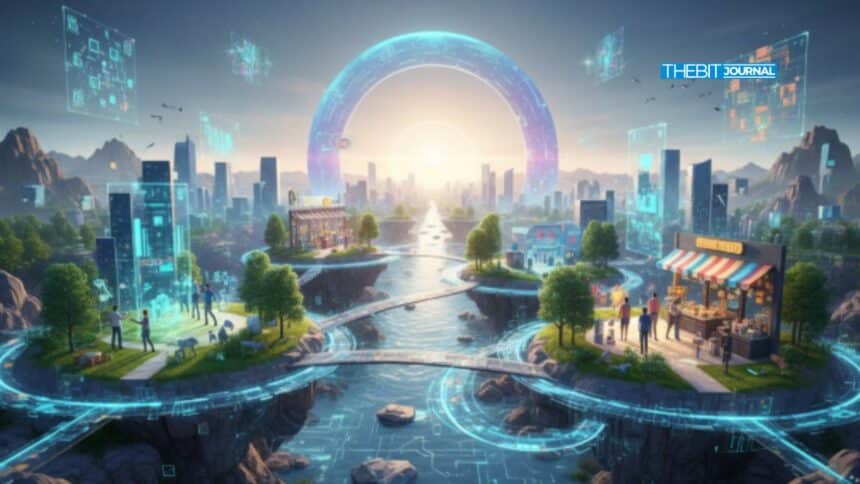

The topic what is metaverse has moved from science fiction stories and niche gaming forums to investor calls and policy debates. A few years ago, it sounded like a loose buzzword. Today it describes a real shift in how people live, work, and spend time online. Instead of opening a flat web page, users step into shared digital spaces that feel closer to a city, a stadium, or a classroom.
For many readers, the real meaning behind what is metaverse still feels unclear. The term refers to a network of persistent virtual worlds that stay online all the time, even when someone logs out. Inside these spaces, people appear as avatars, talk in real time, attend events, build communities, and use digital money. It is less about one single platform and more about a new layer of the internet.
In simple terms, when analysts ask what is metaverse, they are talking about a digital universe that mixes virtual reality, augmented reality, cloud computing, artificial intelligence, and blockchain. These technologies work together to create 3D environments where identity, assets, and experiences can move from one app to another. A user might join a concert, then walk into a game, then enter a virtual office, all without losing their avatar or wallet.
The Metaverse Explained: How Virtual Worlds Change Everyday Life
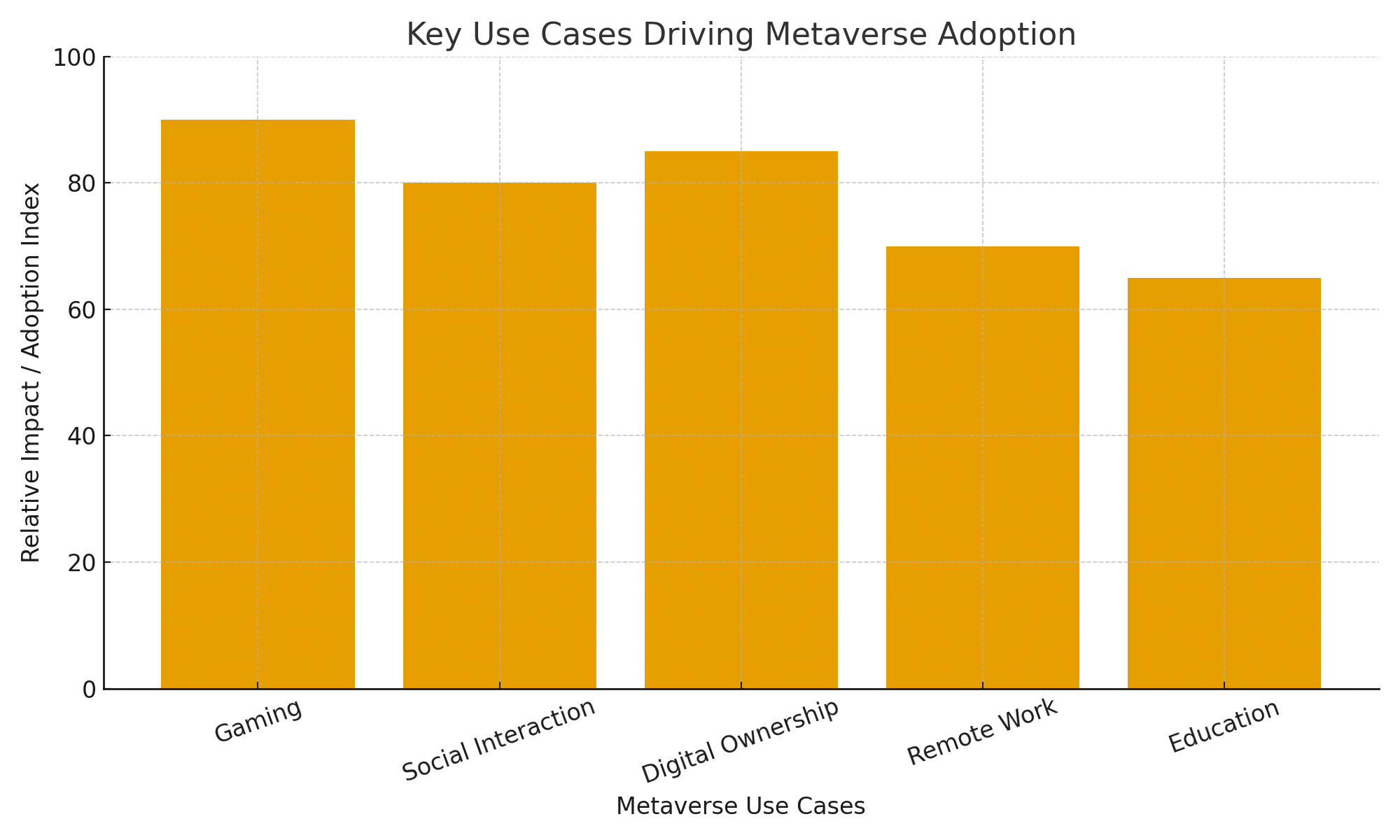
The easiest way to understand the question what is metaverse is to look at daily routines. Remote workers can meet in virtual offices that feel more natural than a grid of video windows. Instead of staring at a camera, they walk around digital meeting rooms, write on virtual whiteboards, and sit at shared tables. This can make remote work feel less lonely and more collaborative.
Social time is changing too. Friends gather in virtual lounges to watch movies, listen to music, or explore digital cities together. Fans attend live concerts in massive online arenas where they can dance, chat, and take part in interactive shows. Students join 3D classrooms that turn abstract topics into visual scenes, which often makes complex ideas easier to grasp.
These worlds are reshaping how businesses connect with customers. Fashion brands test digital outfits that appear on avatars before any physical product is made. Sports leagues build virtual stadiums where fans can walk through tunnels, buy merchandise, and chat with supporters from other countries. As these spaces grow, the idea of what is metaverse shifts from a trend to a new kind of social infrastructure.
How The Metaverse Works Under The Surface
Behind the scenes, the metaverse runs on a stack of technology. At the top is the interface layer. People access virtual worlds through VR headsets, AR glasses, smartphones, tablets, and laptops. High-end hardware can make the experience more immersive, but it is not required. Many early metaverse platforms run on regular consumer devices.
Under that sits the infrastructure layer. High speed networks, edge computing, and cloud servers keep virtual spaces responsive. Graphics engines draw detailed 3D worlds, while physics systems tell objects how to move and collide. Identity services manage avatars, usernames, and friend lists. For many projects, blockchains record who owns which asset and execute smart contracts for in world transactions.
Finally, there is the experience layer. This is where games, concerts, classrooms, galleries, marketplaces, and virtual offices live. When investors try to answer what is metaverse from a business point of view, they study this layer closely. They watch active users, average session time, digital item sales, and transaction volumes as key indicators of growth.
For crypto-focused readers, these metrics sit beside familiar on-chain data. Wallet counts, token velocity, gas fees, and liquidity in metaverse related pools help show whether an ecosystem is healthy or fading.
Gaming As The Gateway To The Metaverse
For many people, gaming provides the first clear answer to what is metaverse in practice. Popular games already offer open worlds, rich avatars, voice chat, and player made content. Seasonal events, live tournaments, and story updates make these worlds feel alive. The step from a large online game to a full metaverse experience is not as big as it once seemed.
Play to earn models link game activity with crypto rewards. Players who win matches, design levels, or host events can earn tokens. These tokens trade on crypto markets and move between wallets, which means in game effort can turn into real economic value. Analysts follow on chain data such as active wallets, transaction counts, and liquidity on decentralized exchanges to judge the health of metaverse related projects.
In that sense, the answer to what is metaverse is also written in charts and dashboards. Price action, user retention, and NFT trading volumes act as key indicators for cryptos that power virtual worlds.

Digital Ownership, NFTs, And Crypto In The Metaverse
The rise of digital ownership is one of the strongest answers to what is metaverse from a financial angle. Instead of keeping all items inside closed databases that only one company controls, many metaverse projects rely on public blockchains. Non fungible tokens, or NFTs, represent land plots, wearables, vehicles, art, tickets, and collectibles.
Because these assets live on a blockchain, users can hold them in their own wallets, trade them in open markets, or move them between compatible virtual worlds. Creators can receive royalties each time an NFT is sold. Scarcity can be verified on chain, which supports pricing for rare items and premium experiences.
Native metaverse tokens work like in world currencies. They are used to buy land, pay for services, reward active users, and fund community projects. Key indicators for these crypto ecosystems include token supply schedules, staking yields, governance rules, and bridges that connect different blockchains. When regulators examine what is metaverse, they now focus on consumer protection, data privacy, money laundering risks, and the impact of speculative trading on small investors.
For builders and investors, this mix of culture, code, and capital turns the metaverse into a live economic laboratory, not just a graphics upgrade for games.
Risks, Limits, And The Road Ahead
The honest answer to what is metaverse is that it is still a work in progress. Some platforms are highly centralized and run like traditional social networks. Others experiment with open standards, user owned identity, and community governance. Questions about privacy, safety for younger users, addiction, and harassment remain serious challenges.
Technical barriers also slow growth. Not every region has access to reliable high speed internet. Advanced VR gear is still expensive and sometimes uncomfortable to wear for long periods. Energy use, server capacity, and cyber security all shape how far and how fast the vision can expand. Despite these hurdles, investment from gaming studios, major tech firms, and crypto builders suggests that experimentation will continue.
Public debate about standards, ethics, and long term health effects is likely to shape the culture around these spaces as much as code does. Educators, mental health experts, and civic groups are already testing ways to use immersive tools for learning, therapy, and public service, not only entertainment.
Conclusion: A New Layer Of Digital Life
In the end, the phrase what is metaverse points to more than a marketing slogan. It describes a shift from static web pages to living, shared digital environments where presence matters as much as content. Virtual worlds are changing how people work, play, learn, and invest. They blend social media, gaming, digital ownership, and crypto into one connected fabric.
If the trend continues, the metaverse may feel as normal as checking email or scrolling a news feed. Some early projects will fade, and new leaders will appear, but the push toward persistent virtual spaces is likely to continue. For readers who still wonder what is metaverse, the most practical answer may be simple: it is the next stage of the internet, built around participation, identity, and digital value instead of static pages.
Frequently Asked Questions
What is the metaverse in simple terms?
The metaverse is a collection of virtual worlds where users appear as avatars, meet others, attend events, and own digital items that can hold real value.
Is special hardware required to enter the metaverse?
No. Many platforms work on regular phones, tablets, and laptops. VR or AR devices can make the experience more immersive, but they are optional, not a strict requirement.
How does crypto fit into the metaverse?
Crypto provides payment rails, rewards, and digital ownership. Tokens, NFTs, and smart contracts support land sales, in-world jobs, creator royalties, and community governance.
Is the metaverse safe for everyday users and investors?
The sector is still risky. Users face scams, volatile token prices, and data privacy issues. Careful research, strong security habits, and clear regulation are important.
Can the metaverse replace real life interaction?
Most experts see the metaverse as a complement to physical life, not a replacement. Healthy use depends on balance, local rules, and personal boundaries.
Glossary Of Key Terms
Avatar
A digital character that represents a person inside virtual worlds, used for movement, communication, and self expression.
Virtual Reality (VR)
Computer generated 3D environments that surround the user through a headset and create a strong feeling of presence.
Augmented Reality (AR)
Technology that places digital images or data on top of the physical world, usually through a phone, tablet, or smart glasses.
NFT (Non Fungible Token)
A unique crypto token that proves ownership of a specific digital item, such as land, art, music, or game assets.
Smart Contract
A self executed program on a blockchain that runs when set conditions are met and automates trades, rewards, or access.
Digital Wallet
Software that stores private keys and allows users to send, receive, and manage crypto assets, NFTs, and metaverse items.
References/Sources
The price predictions and financial analysis presented on this website are for informational purposes only and do not constitute financial, investment, or trading advice. While we strive to provide accurate and up-to-date information, the volatile nature of cryptocurrency markets means that prices can fluctuate significantly and unpredictably.
You should conduct your own research and consult with a qualified financial advisor before making any investment decisions. The Bit Journal does not guarantee the accuracy, completeness, or reliability of any information provided in the price predictions, and we will not be held liable for any losses incurred as a result of relying on this information.
Investing in cryptocurrencies carries risks, including the risk of significant losses. Always invest responsibly and within your means.
For advertising inquiries, please email . [email protected] or Telegram