



ChatGPT Wallet is OpenAI’s new card-based checkout feature for AI agents, letting eligible users approve purchases without paying in cryptocurrency. Announced on November 13, the launch sets out a card-based approach as crypto firms develop tools for agent payments.
Why it matters
OpenAI is bringing agent-led checkout to the card systems consumers already use, rather than asking them to fund a crypto wallet. That gives the launch a different design from crypto-based agent payment tools, but questions about mistakes, merchant support and risk checks remain.
What we know
OpenAI announced ChatGPT Wallet on November 13, 2026, as a way for its “dots” AI agents to complete purchases on a user’s behalf. The initial rollout is limited to ChatGPT Pro subscribers aged 18 or older in the United States, with eligible US-issued cards. OpenAI says access will expand based on early use.
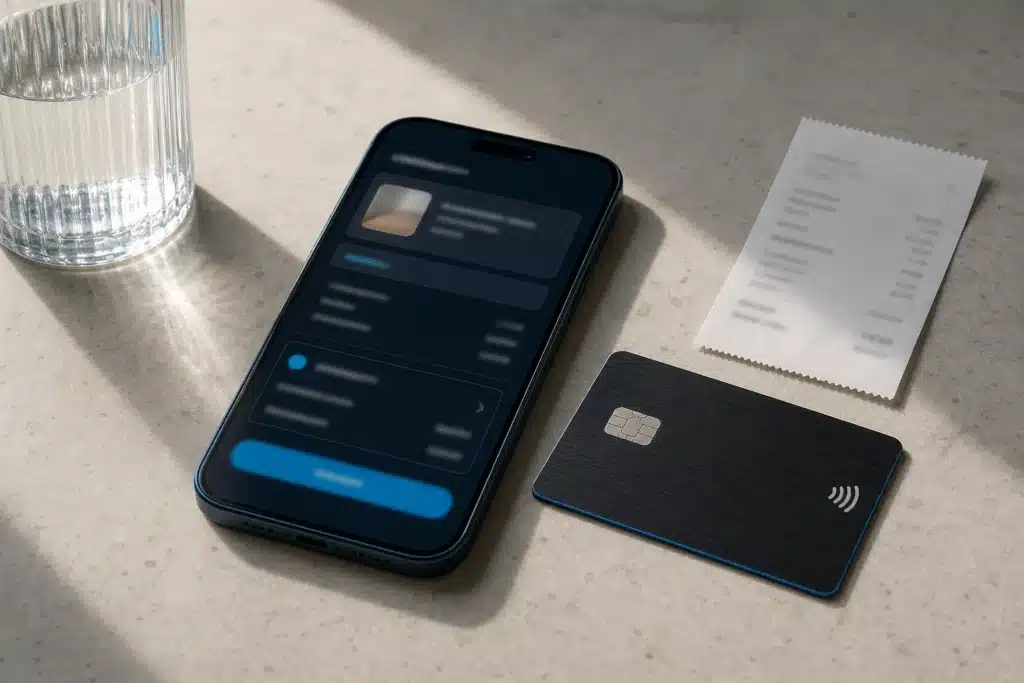
The checkout flow keeps the user involved. OpenAI says the customer reviews the merchant, items, total and selected card, then approves the purchase with a security check such as Face ID or a fingerprint scan. Its announcement describes the approval process and says a payment network supplies a substitute token, so the agent and merchant don’t get the actual card details.
Despite the name, this is not a crypto wallet or a balance that OpenAI holds. Under the ChatGPT Wallet terms, approved purchases are charged to the user’s selected card, and OpenAI says it doesn’t hold the purchase funds. That distinction matters: the agent can complete the purchase process, while the charge is made to the user’s selected card.
American Express, Mastercard and Visa are launch partners, according to OpenAI. AmEx called the launch its first Agentic Commerce Experiences integration with OpenAI. Mastercard said it connects user-approved purchases to existing business and banking systems, while Visa said it brings its payment infrastructure to the experience.
OpenAI says 1.2 billion people use ChatGPT each week and that users already turn to it for product research and comparison. The wallet extends that journey into checkout. It follows the company’s March 24, 2026, expansion of its Agentic Commerce Protocol for product discovery. OpenAI said Target, Sephora, Nordstrom, Lowe’s, Best Buy, The Home Depot and Wayfair had integrated for discovery.
The launch also comes as crypto firms develop a separate approach. Circle announced its Agent Stack on May 11, 2026, with agent wallets and tools for programmatic USDC transactions across supported blockchains and payment protocols. The contrast is not simply about the payment asset: it also raises questions about who controls the transaction, how agents are authorized and which payment infrastructure merchants support.
What is still unclear
OpenAI says availability will start limited and expand based on early use. The stated initial eligibility is ChatGPT Pro subscribers aged 18 or older in the United States using eligible U.S.-issued cards. OpenAI separately listed retailers integrated for product discovery, a different function from Wallet checkout.
OpenAI has acknowledged that some websites may block agents unintentionally and that payment-risk systems could flag legitimate agent purchases. It says it published a merchant playbook and is working on compatibility with Forter, Riskified, Sardine, Signifyd, Adyen, Checkout.com and Stripe. The supplied information does not explain how disputes, refunds or mistaken purchases will be handled.

Market data and sentiment
The supplied market data does not establish whether prices responded to OpenAI’s announcement. At 15:13 UTC on November 14, CoinGecko data put Bitcoin at $65,722, down 4.38% over 24 hours, and Ethereum at $1,848.55, down 4.67%. Solana was $74.09, down 7.44% over the same period. These broad declines cannot be attributed to the wallet launch on the information provided.
The Crypto Fear & Greed Index stood at 13, classified as “Extreme Fear,” on November 14, according to Alternative.me. That reading describes sentiment across crypto, not investor reaction to this specific product. Decrypt framed the launch as a challenge to crypto payment tools from Coinbase and Circle, while the distinct Circle model shows that agent payments can be built around stablecoins as well as cards.
ChatGPT Wallet and the crypto alternative
The announcement is a product and distribution development, not evidence that demand for crypto payments has changed. Card payments give OpenAI a route through existing networks, while Circle’s approach uses USDC and supported blockchains. Which model gets adopted will depend in part on user experience, merchant compatibility and how each handles authorization and errors.

What it means for investors
For investors, the near-term significance is competition over the payment layer for AI commerce, not a direct change to a cryptocurrency’s utility or price. OpenAI’s existing shopping audience and card-network partners could help normalize agent checkout, but the limited US rollout means adoption and commercial impact are not yet established.
Crypto-based systems may still serve uses where programmable settlement or blockchain access matters, but the Circle announcement alone doesn’t establish customer demand or adoption. Card-based checkout, in turn, depends on merchants accepting agents and risk systems approving their transactions. OpenAI’s rollout faces execution challenges, including merchant compatibility and payment-risk issues the company has identified.
The rollout risks identified by OpenAI include websites unintentionally blocking agents and payment-risk systems flagging legitimate purchases. The company says users review and approve purchases, and that a payment network supplies a substitute token so the agent and business do not receive the actual card details.
Bottom line
ChatGPT Wallet makes AI-led shopping possible through user-approved card payments, not a crypto balance. The next test is whether OpenAI can broaden access while maintaining user review and approval and addressing the merchant-compatibility and payment-risk issues it identified.
Sources
- Introducing ChatGPT Wallet (openai.com)
- ChatGPT Wallet terms (openai.com)
- OpenAI Launches ChatGPT Wallet to Let AI Agents Shop, Without Crypto (Decrypt)
This article is for informational purposes only and does not constitute financial or investment advice. Cryptocurrencies are highly volatile; always do your own research before investing.