




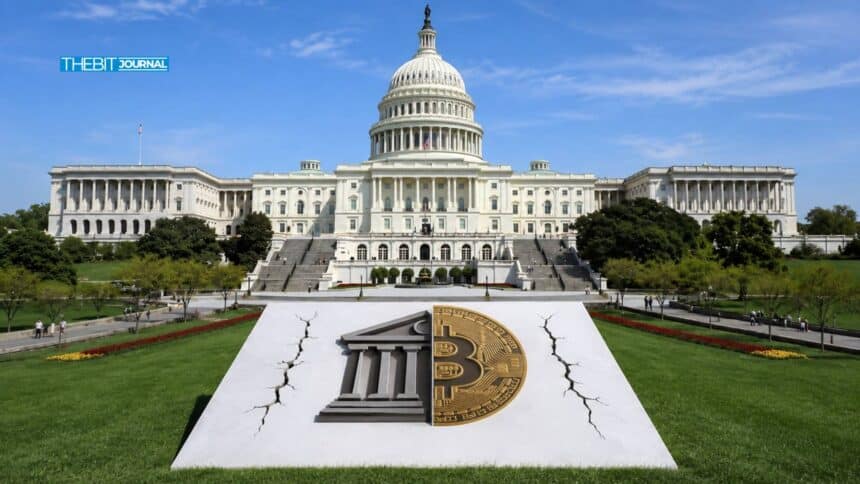

The regulatory landscape in the United States is one of the most debated and fast-evolving areas for our industry. The Clarity Act crypto 2026 update indicates that more and more traditional banking institutions are moving further away from crypto-native firms. The proposed stablecoin framework has reignited competing economic and policy interests and consensus around the structure of a new class of money.
The Clarity Act crypto 2026 update now reflects just how divided rules US negotiations have become from the perspective of the competing narratives that each side is pushing for stability and innovation among either sector.
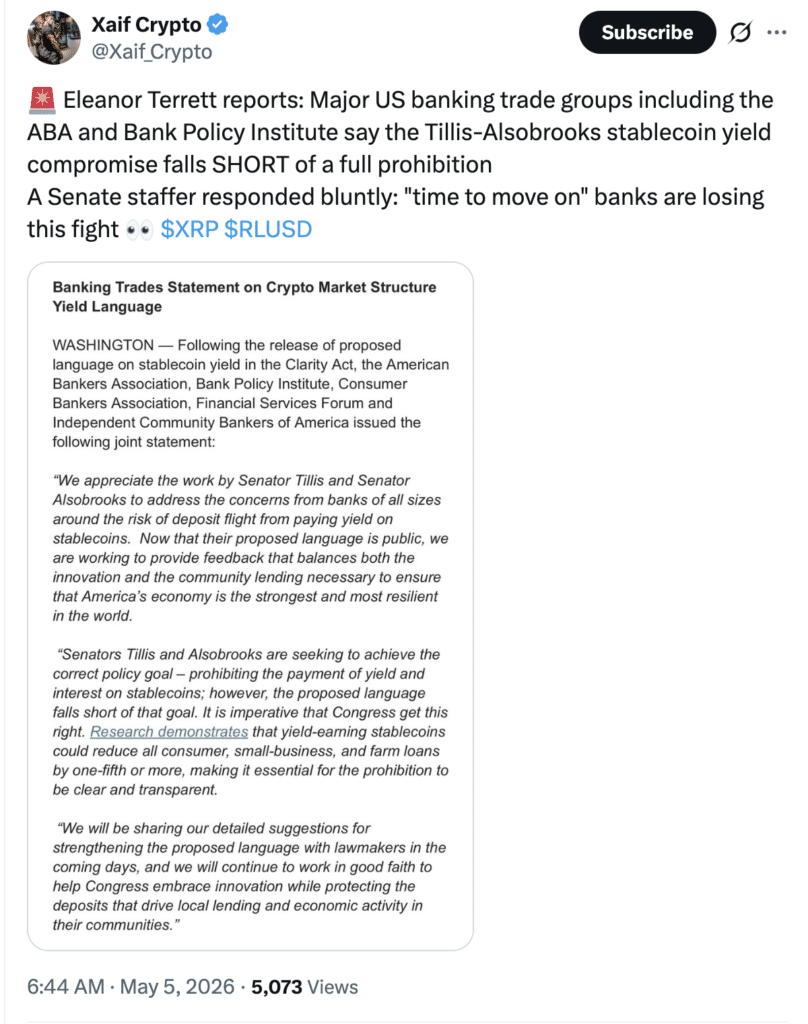
In their making the case that, and say expanded crypto apparently at feature banks could boost deposits; digital asset billers counter proposal that restrictive regulations pitched basically limit better market fertility. This tension lies at the core of wider US crypto regulation debates banks vs crypto, pushing the legislative process well beyond where it was thought to be. The White House still paints the 26 of the deal White House crypto policy as a balancing act despite fragile consensus.

Stablecoin Framework at the Center of Divisive Policy
Stablecoin regulation has now become the focus of national debate with a new update to Clarity Act crypto 2026. Policymakers are trying to regulate whether the rewards offered by stablecoins should be classified as financial yield or technological benefits. This distinction fuels the overarching debate in US about stablecoin yield regulation, which has emerged as a central point of contention in negotiations.
Crypto firms see them as vital to growing the ecosystem, while financial institutions warn that yield mechanisms run ragged could look like shadow banking systems. The divergence leads to the ongoing crypto banking regulation debate, with lawmakers looking to contain systemic risk without restricting innovation. A pertinent worry for wider US crypto regulation as the nature of stablecoins is explored.
Banks Lobbied for Deposit Insurance and Crypto Firms Needed Flexibility
Another point of contention in the Clarity Act crypto 2026 update discussions is traditional bank deposit protection. Commercial banks are lobbying for tight restrictions on stablecoin reward schemes, saying that high-yielding digital assets could shift liquidity of government-backed savings accounts. This fear underpins one of the key pillars of US crypto regulation banks vs crypto tensions across Washington.
Crypto firms, meanwhile, argue that restricting yield structures will impair their businesses by leaving them unable to compete with foreign digital finance markets. This White House compromise seems an effort to bridge that gap, but many critics say it is too much on the conservative side. This trend also underscores an underlying uncertainty surrounding the implications of the Clarity Act on long-term capital flows between crypto exchanges and banks.

White House Strategy Attempts to Balance Innovation and Stability
The White House is also trying to act as a neutral arbiter according to the Clarity Act Crypto 2026 Update. The (approximately) White House crypto policy deal 2026 approach allows controlled innovation while avoiding systemic banking risks.
Yet finding the sweet spot between both has not been easy. There is so much that can be said for the current crypto legislation update 2026 news cycle, which revolves around repeated revisions again and political pushback. Regulators are seeking to set firm operating limits without causing any upheaval of market infrastructure. With institutional investors awaiting more regulatory clarity before increasing their exposure, market analysts are still studying the impact of Clarity Act on crypto market 2026.
Sentiment in the Market Responds to Regulatory Ambiguity
Investor sentiment continues to be very sensitive to every Crypto 2026 update announcement from the Clarity Act Markets typically move violently in the face of regulatory ambiguity, and as stablecoins are effectively the backbone liquidity tool for trading digital assets.
Plans for long-term market structure are being tentatively framed now in broader US Senate crypto bill Clarity Act discussions. Now, the traders want to figure out if clearer rules would signal greater institutional capital coming into the market or new and burdensome compliance for current players. Given both mounting macroeconomic uncertainty and regulatory indecision, the Clarity Act crypto 2026 update continues to perform its role as a major signal of crypto price action volatility model signals.

Conclusion
The Clarity Act Crypto 2026 Update currently underway is a sign that U.S. crypto regulation is entering its decisive phase. Although they target financial system stabilization, banks and digital asset firms are fighting to speed up the pace of progress. The Clarity Act crypto 2026 update is undoubtedly a key pillar in the foundation for stablecoins, institutional use, and regulatory clarity across the U.S. This uncertainty means that crypto valuation trends are set to be dictated by regulatory developments until a fully balanced framework is created.
Appendix: Glossary of Key Terms
The Clarity Act refers to a proposed U.S. legislative framework designed to regulate digital assets, including stablecoins and crypto exchanges.
Stablecoin yield regulation US defines rules governing whether users can earn interest-like rewards on stablecoin holdings.
US crypto regulation banks vs crypto describes the policy conflict between traditional financial institutions and blockchain-based firms.
The White House crypto policy deal 2026 represents ongoing negotiations aimed at creating a unified regulatory approach.
Crypto banking regulation controversy refers to debates over financial stability risks versus innovation in decentralized finance systems.
Frequently Asked Questions About CLARITY Act Crypto 2026 Update
What is the CLARITY Act Crypto 2026 Update?
It refers to ongoing legislative revisions in the United States aimed at defining stablecoin and crypto market regulations.
Why are banks and crypto firms in conflict?
Banks fear deposit outflows, while crypto firms want flexible yield systems and innovation-friendly rules.
What is the White House role in this policy?
The White House is attempting to mediate between both sectors through a balanced regulatory framework.
How does this affect the crypto market?
Uncertainty in regulation influences liquidity, investor confidence, and institutional participation.
References