






Mastercard Polygon partnership marks a significant milestone in the evolution of blockchain payments, bringing on-chain transactions closer to the systems used in everyday finance. The integration is creating a noticeable increase in network activity, drawing renewed interest from investors, traders, and institutions in the Polygon ecosystem.
This development reflects a wider trend in which major financial companies are increasingly turning to blockchain solutions to improve transparency, efficiency, and speed in transaction processing. Early indicators suggest that rising transfer counts and exchange outflows are already reshaping investor behavior on the network.
What Does the Mastercard Polygon Partnership Mean for Payments?
The Mastercard Polygon partnership serves as an important link between traditional finance and decentralized blockchain systems. It uses Mastercard’s Crypto Credential system to replace complicated wallet addresses with verified usernames, making on-chain transfers simpler for businesses and individual users.

This collaboration is part of the larger Mastercard Crypto Partner Program, which brings together over 85 companies, including crypto builders, payment providers, and financial institutions. Analysts believe this partnership could speed up enterprise adoption as banks and payment platforms gain a regulated and scalable way to integrate Polygon’s blockchain infrastructure.
The integration also highlights a growing trend in stablecoins, with demand now surpassing most chain capitalization. This shift makes cross-border use and institutional adoption an increasing priority in the evolving digital finance landscape.
How Is Polygon Responding on the Blockchain?
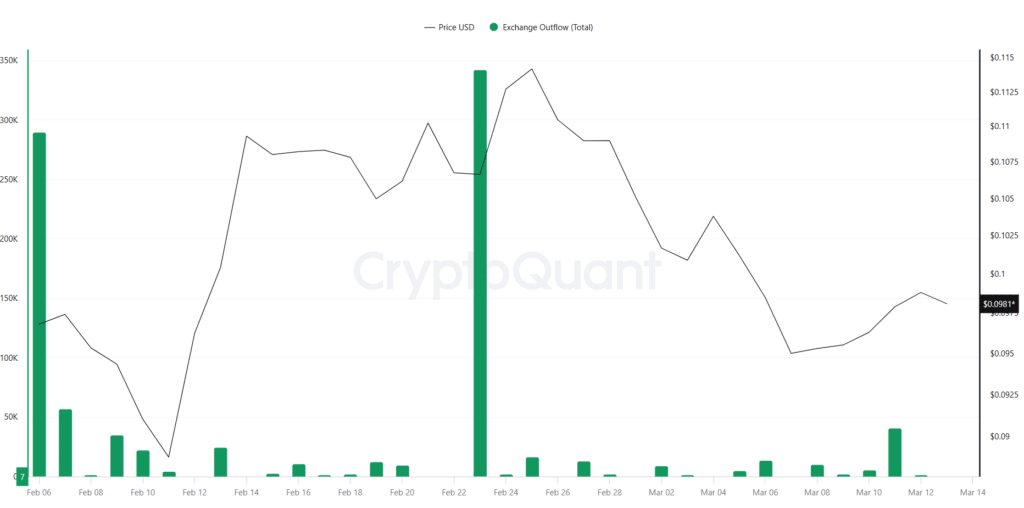
Preliminary Derivatives data from CryptoQuant shows that the Mastercard Polygon partnership caused a clear increase in the average number of transfers on the Polygon network. At the same time, total exchange outflows grew noticeably, indicating that many investors are moving their tokens into private wallets for longer-term holding.
The combination of higher transfer activity and larger outflows usually helps reduce immediate selling pressure, which can support short-term stability in the network. Analysts warn, however, that whether this increased activity will lead to lasting gains in POL prices depends on how quickly traditional financial institutions start using Polygon’s blockchain infrastructure.
Why Are Institutional Players Watching Closely?
The Mastercard Polygon partnership creates access points for institutions that were previously hard to reach. By linking Polygon’s blockchain infrastructure with established payment networks, the partnership provides a practical route for enterprises to adopt stablecoins and other tokenized assets while staying compliant with regulations.
Experts note that this integration could shape the next stage of Polygon’s growth. Greater institutional participation may drive higher transaction volumes and stronger engagement from corporate clients and fintech platforms. At the same time, challenges remain, including regulatory obstacles and competition from other Layer 2 blockchain solutions such as Optimism and Arbitrum.
The partnership shows clear shift in the industry with stablecoins and tokenized assets being used more in everyday payments. Polygon’s system provides a way to handle transactions at scale. Supporting both international payments and larger business needs.
What Does the Mastercard Polygon Partnership Mean for the Future of Payments?
The Mastercard Polygon partnership is more than just a technical integration. It forms part of a wider effort to connect digital asset infrastructure with global payment systems. As more institutions and merchants start using Polygon’s on-chain features analysts are watching closely to see how adoption could affect network growth, pricing, and overall market confidence.

By linking traditional payment rails with blockchain efficiency, Mastercard and Polygon are setting a framework. For secure, scalable, and compliant crypto payment solutions. The market recognizes potential but remains measured weighing operational hurdles alongside the promise of increased mainstream adoption.
Conclusion
The Mastercard Polygon partnership strengthens the connection between digital finance and traditional financial systems. On-chain activity on Polygon has increased with rising transfer counts and higher exchange outflows signaling growing interest in the network.
At the same time integration provides structured pathways for institutional adoption. Allowing banks and businesses to connect with Polygon’s blockchain infrastructure. Analysts note that partnership’s impact will depend on how quickly traditional financial players begin using these on-chain capabilities.
Glossary
On-Chain Activity: All transactions recorded on a blockchain.
Exchange Outflows: Tokens moved from exchanges to private wallets.
Tokenized Assets: Real-world assets represented digitally on blockchain.
Layer 2 Solutions: Networks built on blockchains for faster cheaper transactions.
Cross-Border Payments: International payments powered by blockchain.
Frequently Asked Questions About Mastercard Polygon Partnership
How does the partnership affect blockchain payments?
It helps businesses and users make faster and simpler payments using blockchain technology.
How does this partnership help institutions?
It allows banks and companies to access Polygon’s blockchain safely and follow regulations.
Why is stablecoin demand important?
Stablecoins are used for secure and predictable payments. And high demand shows more people are adopting digital finance.
What is the Crypto Credential system?
It is a system by Mastercard that replaces long wallet addresses with simple verified usernames for easier transfers.
How does this affect investors?
Investors are moving tokens to private wallets and making more transfers. Showing increased interest in Polygon.
Sources