






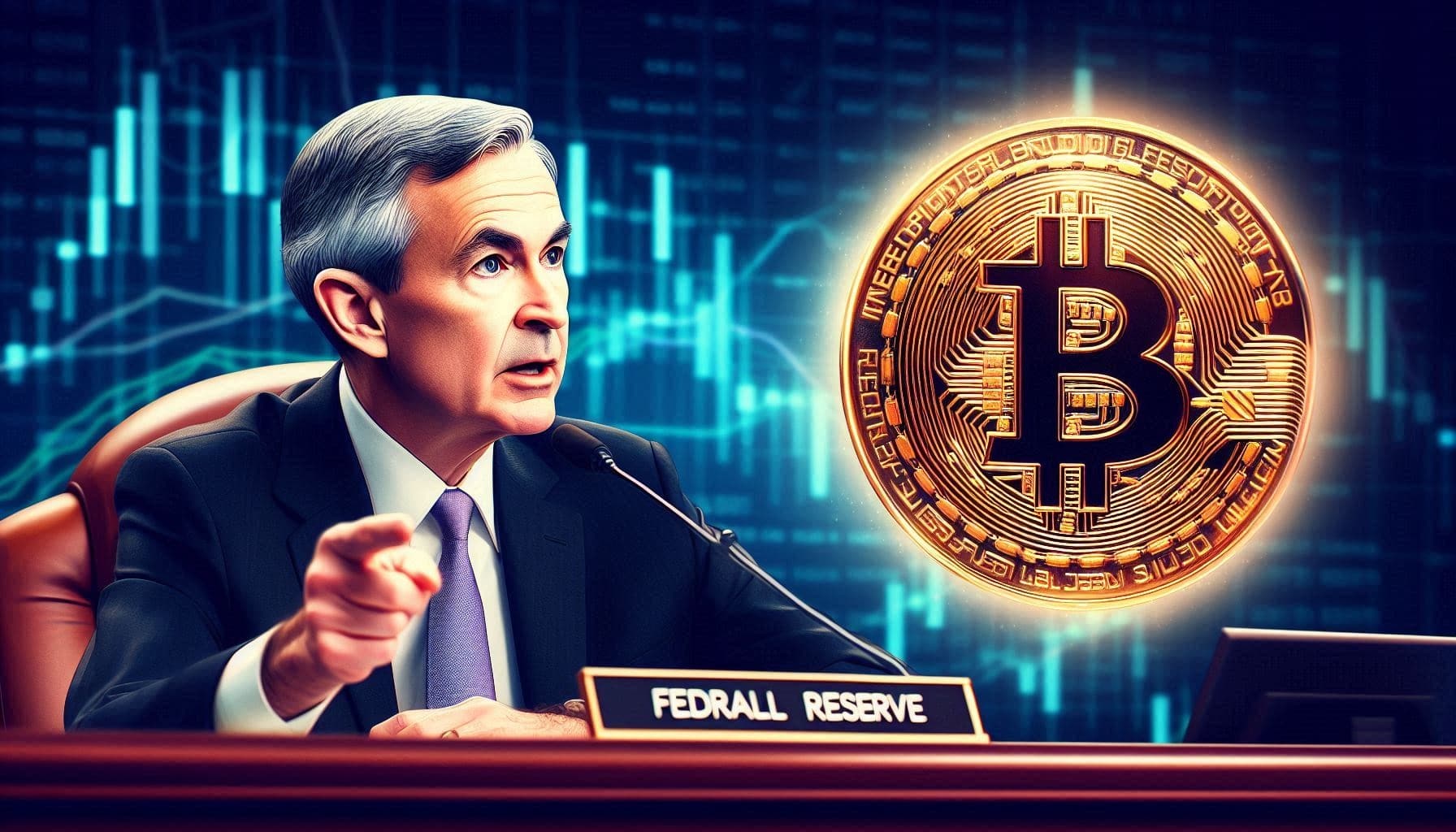
Federal Reserve Vice Chair Michelle Brown has warned US banks that they risk becoming obsolete if they resist blockchain and artificial intelligence or fail to embrace the ongoing pro-crypto regulation.
According to a statement from the Federal Reserve shared during the Wyoming Blockchain Symposium on Aug. 19, Bowman revealed a fundamental shift in the way the agency would address blockchain innovation in the future.
Removed Reputational Risks
The Fed Governor stated that the central bank had removed any reputational risk associated with bank supervision since June in a bid to eliminate barriers that prevented banks from serving crypto entities engaged in legal activities. In the statement, Bowman said:
“Your industry [crypto] has already experienced significant frictions with bank regulators applying unclear standards, conflicting guidance, and inconsistent regulatory interpretations.”
As per the Fed, the ongoing pro-crypto regulation allows American banks to freely interact with and serve crypto-focused firms without fear of penalties. The bank added that there was now sufficient regulatory clarity, highlighting a new stance of the central bank towards the cryptocurrency space.
Danger of Overly Cautious Approach
Criticizing the “overly cautious approach” that some banks previously took regarding the crypto space, Bowman argued that such positions were outdated, citing the existing regulatory clarity. She urged such banks to dispense with such regulatory barriers for them to remain competitive.
According to Bowman, all agencies were crafting new pro-crypto regulation that allows easier access to digital banking, besides allowing blockchain adoption without any unnecessary constraints.
Calling tokenization a transformative force within the financial space, Bowman opined that it facilitated faster and cheaper asset transfer, thereby enhancing access to capital markets. She also highlighted that high pro-crypto regulation through the new GENIUS Act targeting stablecoins would become a tool that could strengthen the payment market since regulation involved transparent and fair standards.
Don’t Ignore Pro-Crypto Regulation
Regarding artificial intelligence, the Fed Governor highlighted the fact that the technology was poised to enhance risk management, fraud prevention, and customer service. Nonetheless, she encouraged players to exercise balanced oversight for best results.
Bowman encouraged the banks to take advantage of the current elimination of reputational risk penalties and regulations to work with banks without fear of regulatory backlash.
The regulatory clarity surrounding the cryptocurrency space is the result of active engagement from state regulators who believe in the significance of maintaining anti-fraud enforcement within the crypto space.
Bowman opined that if pro-crypto regulation was ignored, blockchain innovators could bypass traditional banks and diminish their economic relevance in the digital age.
Conclusion
The ongoing pro-crypto regulation within a fast-evolving landscape signals the growing interdependence between traditional finance and crypto assets. As regulatory clarity continues to emerge, users expect the role of banks to become clearer within the crypto ecosystem as long as they mitigate legal and operational hurdles. By dropping the punitive crypto oversight program, the Fed is clearing the way for far-reaching implications within the US financial system in the global digital economy.
Read more crypto news on the platform.
Summary
- The US Fed has ended the punitive two-year-old crypto oversight program, allowing banks to engage with crypto without regulatory fear.
- Part of the pro-crypto regulation surrounds stablecoin regulation through the recently enacted GENIUS Act, which aims to clarify legal frameworks and curb illicit crypto activity.
- The ongoing regulatory clarity suggests that US banks now have a more straightforward pathway to serve crypto clients.
Frequently Asked Questions
How will the new rule impact American crypto enthusiasts?
The most likely impact will be financial institutions such as banks getting into the cryptocurrency space. Several financial institutions are already eager to get more involved in cryptocurrencies.
How will this position impact America’s desire to become the world’s crypto capital?
As a leader in cross-border payments, the involvement of more banks will see the country potentially creating and setting technical standards and governance norms in crypto that other countries would be eager to follow.
Are US banks allowed to hold crypto?
After many years of regulatory foot-dragging, several US banks are already offering crypto custody services. The move is backed by ongoing pro-crypto regulation under the Trump administration.
Which US Bank is the most crypto-friendly?
Currently, JP Morgan Chase and Cash App are the leading contenders for crypto-friendly banks in the United States.
Glossary to Key Terms
Artificial Intelligence: The capability of machines to perform tasks that typically require human intelligence, such as learning, problem-solving, and decision-making.
Federal Reserve: The central bank of the United States.
Crypto Regulation: The rules that governments use to define how digital assets can be issued, traded, stored, and integrated into financial systems.
GENIUS Act: A law in the US that established a federal regulatory framework for the issuance and operation of payment stablecoins linked to the US dollar.
References
The Federal Reserve Newsletter