











The article was first posted on The Bit Journal.
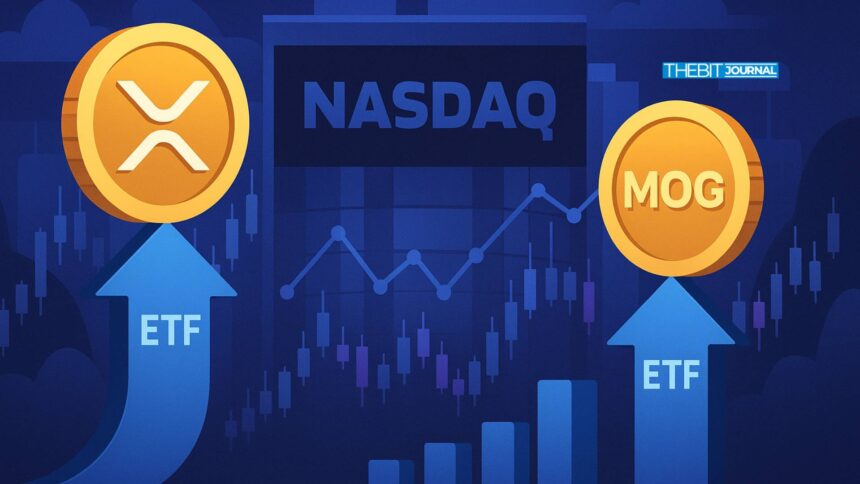
Canary Capital is now moving from crypto niche to mainstream markets by pairing a fresh filing for a spot MOG ETF with the debut of its spot XRP ETF on Nasdaq. Together, these moves show how fast digital assets, even meme tokens, are being wrapped into regulated products that traditional investors can understand and trade.
Canary Capital Targets MOG With A Spot ETF
Canary Capital Group has submitted a registration statement for a new exchange traded fund that will hold MOG Coin directly in a trust structure. The fund is designed to track the spot price of MOG, an Ethereum-based meme token, by holding the asset itself rather than futures contracts, with a daily net asset value based on a pricing benchmark.
The filing describes a traditional creation and redemption process where authorized participants deliver MOG or cash in large blocks in exchange for ETF shares. A small buffer of Ether will support on chain fees. In practice, the structure mirrors the now familiar spot Bitcoin and spot Ether ETF designs that have already attracted billions of dollars in the United States market.
XRP Spot ETF Starts Trading On Nasdaq
While the MOG product waits for approval, Canary Capital is already bringing XRP exposure to public markets. The Canary XRP ETF, ticker XRPC, has received clearance to begin trading on Nasdaq on November 13, 2025, through an automatic effectiveness process.
The fund offers direct exposure to XRP held in a trust, not synthetic futures exposure, and carries a management fee of about fifty basis points. Early commentary highlights this product as the first spot XRP ETF listed in the United States under the Securities Act of 1933, a milestone that many XRP holders have waited on for years.
Meme Coins Move From Joke To Regulated Product
MOG started life as a meme coin with a playful cat mascot and a community-driven culture, but the ETF filing shows how far speculative assets can travel once liquidity and recognition build up. Reports indicate that the filing has already helped push MOG prices higher, with derivatives volumes rising as traders position around a possible Wall Street listing.
For traditional investors, an ETF wrapper removes the need to handle token wallets, on chain transfers, or centralized exchange accounts. Instead, exposure to a meme coin becomes a simple line item on a brokerage statement. That shift can turn what looked like a passing joke into an asset class that sits beside small-cap equities and high-yield bonds in a diversified portfolio.
How Macro Crypto ETF Trends Support MOG And XRP
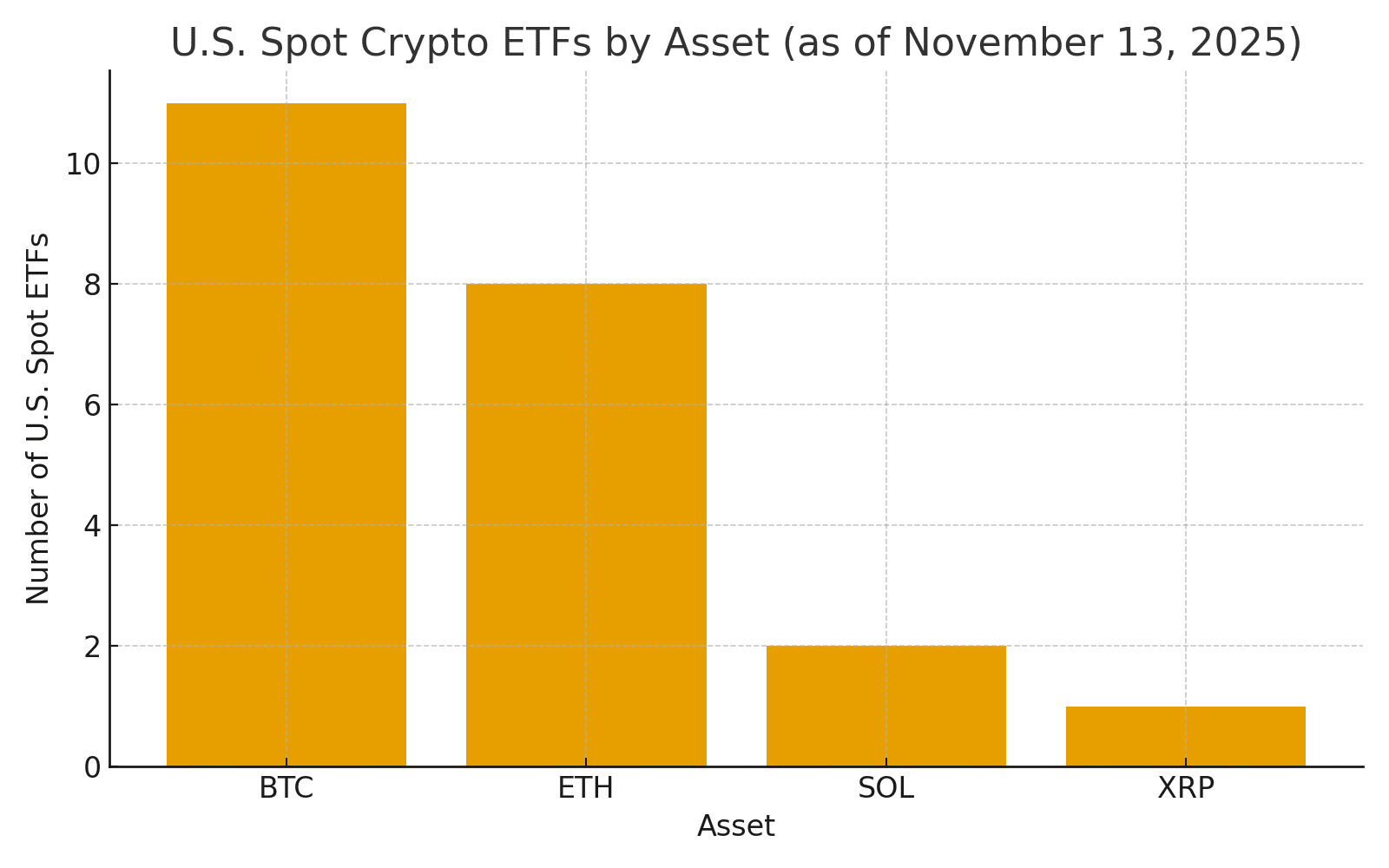
The timing of Canary Capital activity is not random. Spot Solana products, including funds that integrate on chain staking rewards, have gathered hundreds of millions of dollars in assets within weeks of launch. Some research now estimates that altcoin ETFs could attract tens of billions of dollars globally over the next six months, with a large share flowing into Solana products alone.
At the same time, new Treasury and tax guidance under Revenue Procedure 2025-31 has opened a path for crypto ETFs to participate in staking without creating extra tax burdens at the trust level. This safe harbor allows funds that hold proof-of-stake assets, such as Ethereum or Solana, to distribute staking rewards directly to investors. That change may encourage more issuers to launch yield-enhanced crypto ETFs and deepen liquidity across the market.
Key Indicators That Investors Are Watching
In this environment, several indicators help investors read the next move. Market capitalization shows how large a coin has become relative to peers. Trading volume tells the story of daily liquidity and whether an asset can support ETF creations and redemptions without heavy slippage. Volatility shows how sharply prices can move in a short window, which matters when an ETF promises intraday liquidity.
For XRP and MOG, on chain metrics such as active addresses, transfer counts, and holder distribution provide another layer of insight. ETF-specific data, including assets under management, net inflows, and secondary market volume, will quickly reveal whether traditional investors see these products as long-term holdings or short-term trading vehicles.
What Comes Next For XRP, MOG, And The ETF Market
Canary Capital has placed itself near the front of the altcoin ETF wave by lining up products for XRP, Litecoin, Hedera, and now MOG, and by securing a Nasdaq listing for its XRP fund. If inflows prove strong and spreads remain tight, other issuers are likely to follow the same path with their own meme coin or niche asset products.
For now, the pairing of a live XRP ETF and a fresh MOG filing captures the direction of travel. Crypto exposure is no longer confined to specialist platforms. It is moving into the same toolkit that investors already use for equities, bonds, and commodities, one ticker at a time.
Frequently Asked Questions
What is the Canary MOG ETF?
The Canary MOG ETF is a proposed exchange traded fund that will hold MOG Coin in a trust and aim to track its spot price through shares that trade on a United States exchange.
Does the MOG ETF use futures or spot holdings?
The structure described in the filing relies on direct spot holdings of MOG rather than futures contracts, with net asset value calculated from a pricing benchmark.
When does the Canary XRP ETF start trading on Nasdaq?
The Canary XRP ETF, under ticker XRPC, is scheduled to begin trading on Nasdaq on November 13, 2025, after receiving listing clearance.
How could new staking rules affect future crypto ETFs?
Recent guidance allows certain crypto ETFs that hold proof of stake assets to stake tokens and pass rewards to investors, which may increase yields and attract larger, more conservative capital.
Glossary Of Key Terms
Spot ETF
An exchange traded fund that holds the underlying asset directly and tracks its real time market price, rather than using futures contracts.
Creation And Redemption
The process where large financial institutions deliver assets or cash to an ETF in exchange for new shares, or return shares to receive assets, which helps keep the ETF price close to net asset value.
Net Asset Value (NAV)
The value of all assets held by a fund, minus liabilities, divided by the number of shares. NAV for crypto ETFs usually updates every trading day and often intraday.
Assets Under Management (AUM)
The total market value of assets held by a fund or group of funds, used as a sign of scale, liquidity, and investor confidence.