



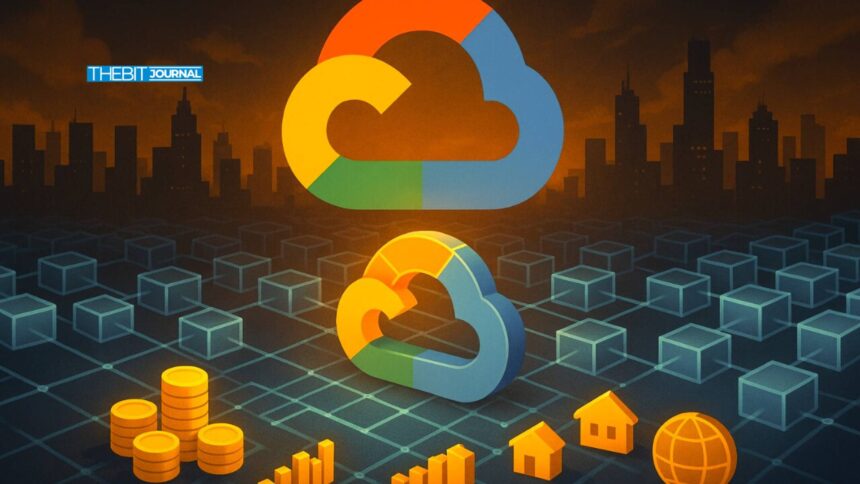

According to recent reports, Google Cloud Blockchain is emerging as a Layer-1 platform tailored for global finance. Designed with tokenized assets, real-time settlements, and enterprise-grade compliance in mind, it is more than just another blockchain experiment.
Instead, it is being built as a neutral infrastructure where banks, exchanges, and large firms can rely on a single, secure ledger to move value efficiently.
Why Institutions Are Turning to Google Cloud Blockchain
The launch of Google Cloud Blockchain signals a substantial shift from speculative blockchain hype to practical financial adoption. With significant financial exchanges piloting the system, early testing has demonstrated that it can handle settlements, collateral management, and fee payments more efficiently and cost-effectively.
One executive leading the project noted that this isn’t about replacing the internet of money but about creating infrastructure “designed for institutional trust and scale.” That positioning sets it apart from networks built for retail crypto activity.
Also read: Google Cloud Partners with MANTRA to Power the Next Wave of Blockchain Startups
Core Features of the Universal Ledger
The Google Cloud Universal Ledger (GCUL) is a Layer-1 blockchain with Python-based smart contracts. Unlike public chains, it is private and permissioned, giving regulators and institutions a transparent yet controlled system.
Key features:
Python smart contracts for easy use
Unified APIs for participants
Compliance-first with KYC/AML
Neutral operation with multiple firms co-running
This makes Google Cloud Blockchain ideal for cross-border payments and tokenized assets, where speed and trust are essential.
Market Outlook and Tokenization Trend
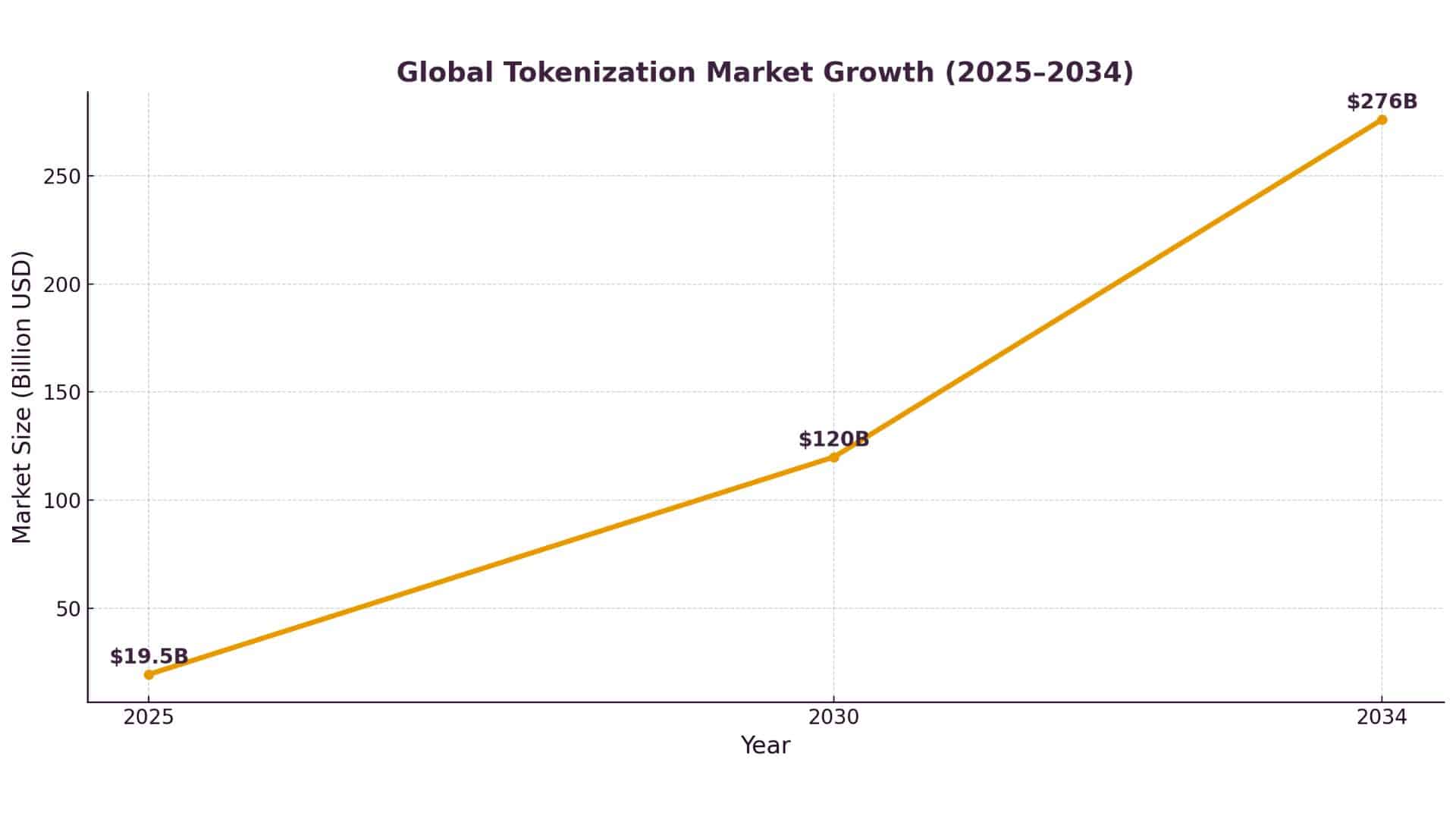
Tokenization of real-world assets is on the rise. Analysts project the market could grow from $19.5 billion today to over $270 billion by 2034. The Google Cloud Blockchain is entering this space at a time when traditional institutions are seeking efficient rails for tokenized bonds, equities, and money-market instruments.
A recent pilot confirmed the platform’s ability to support 24/7 trading and settlement; a significant shift for markets that have long been tied to traditional business hours.
Competitive Landscape
The Google Cloud Blockchain will inevitably face comparisons with other financial-grade networks, such as similar institutional platforms. However, its strength lies in its neutral positioning and the fact that it is not limited to one company’s ecosystem. By allowing multiple operators, it can become a shared ledger for the world’s financial giants.
Conclusion
Based on the latest research, Google Cloud Blockchain is shaping up to be more than just another tech experiment. With its neutral design, regulatory focus, and proven pilot runs, it stands ready to bridge the gap between traditional finance and tokenized assets.
If adoption continues at the current pace, it could soon become the settlement layer powering institutional payments worldwide.
Also read: How Google Cloud Powers CME Group’s Bold Move Into Asset Tokenization
Summary
Google Cloud Blockchain is making waves as a new Layer-1 platform built for financial institutions. With early pilots already underway, the system is designed for tokenized assets, settlements, and institutional trust. Unlike public chains, it is a private and permissioned blockchain, offering a compliance-first design.
By 2026, it could become a major settlement layer for global markets, bridging the gap between traditional finance and blockchain-based payments.
Glossary of Key Terms
- Layer-1 Blockchain: The base blockchain network, like Ethereum or Bitcoin.
- Tokenization: Converting real-world assets into digital tokens on a blockchain.
- Smart Contracts: Self-executing programs on a blockchain.
- Permissioned Ledger: A blockchain where only verified participants can transact.
FAQs
Q1: What is Google Cloud Blockchain?
It is a new Layer-1 blockchain platform designed for financial institutions, offering tokenized assets, smart contracts, and secure settlements.
Q2: How is it different from public blockchains?
Unlike public chains, it is a private and permissioned blockchain, meaning institutions operate within a regulated environment with compliance built in.
Q3: Who is currently testing it?
Major exchanges have already completed the first phase of integration, focusing on settlements and tokenized markets.
Q4: When will it be fully launched?
Market-wide testing is scheduled to begin later in 2025, with broader service launches anticipated in 2026.