



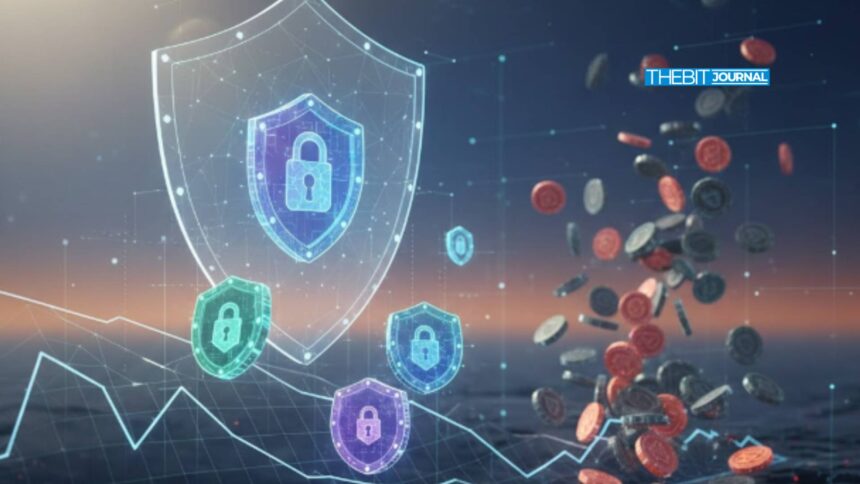

The privacy tokens rally has become one of the most surprising turns in a market that is otherwise losing strength. It is happening just as global regulators are tightening rules on privacy-focused assets and exchanges are cutting back their listings.
Since early October, the wider crypto market has lost more than $1 trillion, falling from over $4.3 trillion to just above $3.1 trillion. This sudden rise in a small part of the market has left traders and analysts trying to figure out what is driving it. And with Bitcoin dropping nearly 30% from its all-time high above $126,000 to around $91,399.01, the contrast has made the privacy tokens rally even more noticeable.
What Exactly Are Privacy Tokens and Why Are They Controversial?
Privacy tokens are digital assets created to hide transaction details, including wallet addresses and the amount being sent. Zcash and Monero are the best-known examples, both using advanced cryptography to protect user privacy.
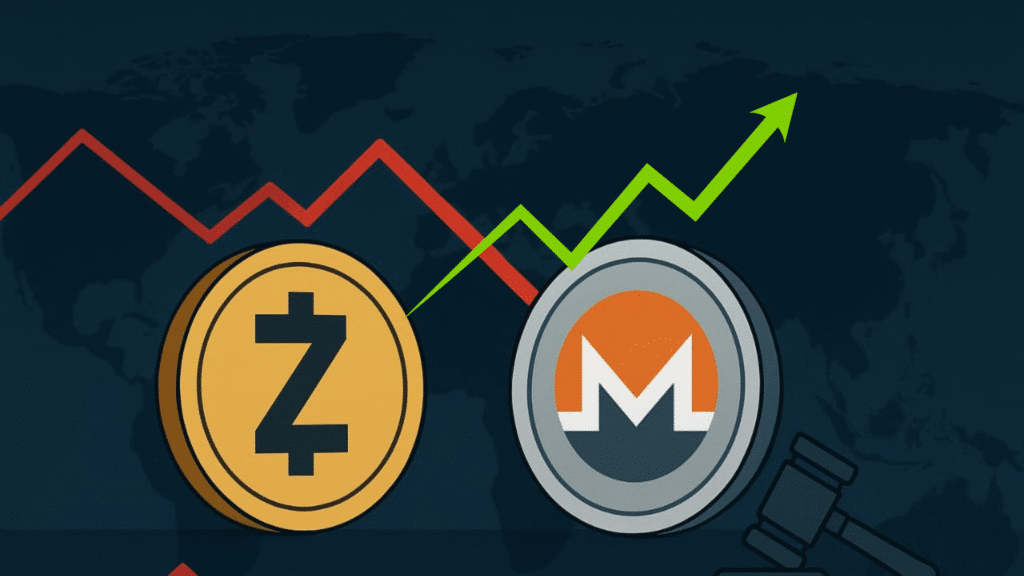
People value them because they keep financial information private, but this same feature puts them under scrutiny from regulators focused on anti-money-laundering rules and accountability. As the privacy tokens rally gains speed, these ongoing debates are returning with even more force.
Why Are Privacy Tokens Advancing While the Market Weakens?
The reason starts with Zcash, which has become the standout leader in the current privacy tokens rally. While most of the market is declining, Zcash has moved in the opposite direction. Its price has reached $470.69 after rising several hundred percent since late summer.
During this time, its market value increased from under $1 billion in August to more than $7 billion in early November, even briefly overtaking Monero, which is priced at $410.43. At the same time, Zcash rose to the top of Coinbase’s internal search rankings, gaining more attention than Bitcoin at $91,399.01 and XRP at $2.20.
Analysts say that when retail traders suddenly show strong interest, it often increases price momentum. Many of them view the privacy tokens rally as an example of how a small part of the market can receive big inflows just as overall conditions turn cautious. One market strategist said the trend is shaped by a mix of limited supply, strong beliefs, and fast speculation, which can cause prices to swing sharply up or down.
Are Fundamentals or Narratives Pushing This Trend Forward?
Observers have different opinions. Some analysts believe that technical developments are helping strengthen the privacy tokens rally. They highlight Zcash’s falling issuance as its halvings continue and the upcoming NU6.1 upgrade, which is set to give tokenholders more control over funding choices.
In their view, the rally is being driven by a reduced supply and changes in how the project is governed. Others believe the momentum is mostly driven by narratives rather than fundamentals. They point to growing worries about surveillance, reduced market liquidity, and short squeezes in an already tight trading environment.
Positive predictions from community members have pushed the trend even further. Still, many analysts note that Zcash is far below its past all-time high, showing that this surge is significant but not unusual. No matter the explanation, the privacy tokens rally is happening just as global regulators move toward stricter rules for privacy-focused assets.
How Are Global and Regional Regulations Shaping the Market?
Regulatory pressure is the main backdrop for the entire privacy tokens rally. Since 2019, the Financial Action Task Force has applied full AML and CFT rules to virtual assets, including the Travel Rule, which requires sender and receiver details for certain transfers.
A 2024 FATF review showed that about three-quarters of the jurisdictions checked were only partly compliant, and around 30% still had not added the Travel Rule into their laws. The agency also warned that the growing use of privacy-focused cryptocurrencies by illegal actors remains a significant concern.
In Europe, the direction is even more straightforward. New EU-wide AML rules under Regulation 2024/1624 will ban anonymous crypto accounts and limit the use of privacy coins on licensed platforms by 2027. Exchanges have already started adjusting to these rules. In 2024, nearly 60 privacy-focused assets were delisted, marking the highest number since 2021.
Monero saw the most removals, while Dash at $59.03 and other coins were also affected. Binance has restricted or removed trading for ZEC, XMR and DASH in several European regions, and Kraken has stopped Monero deposits and trading for users in the European Economic Area, pointing to changes in EU policy frameworks such as MiCA.
This slow shift in where these coins can be traded has made their liquidity weaker. As trading moves away from big regulated exchanges to smaller or less closely monitored platforms, even small amounts of buying can push the privacy tokens rally higher, while large sell-offs can cause sharp and sudden drops.
How Do Sanctions and Legal Cases Affect the Outlook for Privacy Assets?
Legal actions have added even more compliance pressure around the privacy tokens rally. The U.S. Treasury’s 2022 sanctions on Tornado Cash were overturned in 2025 after a court decided that the government could not sanction an immutable smart contract. Even so, developers linked to the project still face criminal cases in different countries.
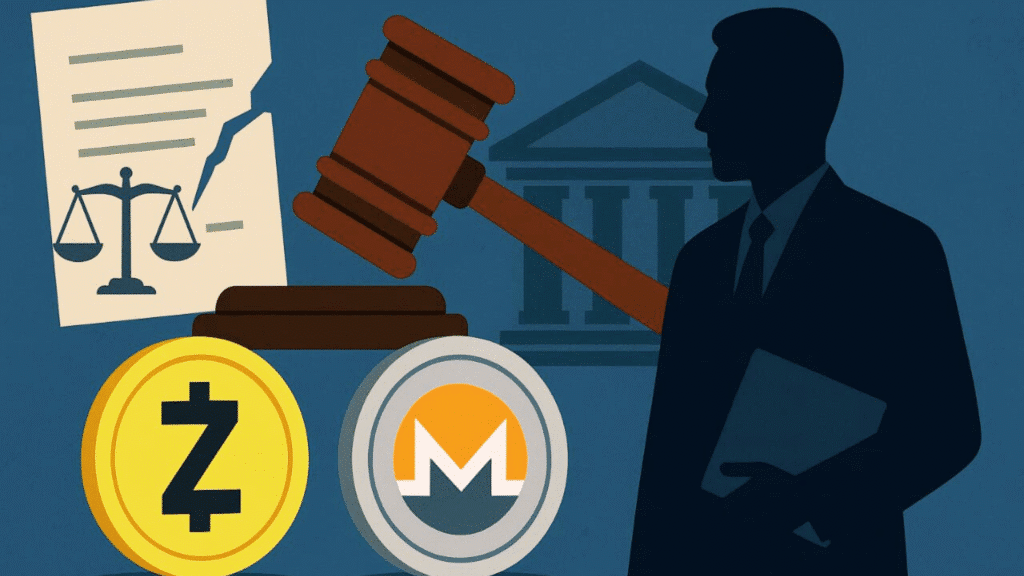
In one example, a co-founder was found guilty of running an unlicensed money-transmitting business. A similar situation appeared in the Samourai Wallet case. In November 2025, its founders were given multi-year prison sentences after admitting they conspired to run an unlicensed money-transmitting business. Prosecutors said the service handled more than $2 billion in Bitcoin through its tools.
Compliance officers note that cases like this blur the line between basic software and actual financial services, leading many institutions to stay away from privacy-focused assets entirely. One regulatory consultant said the chilling effect has become a defining part of the ecosystem, making companies cautious even when there is no direct ban.
Conclusion
The privacy tokens rally is happening at a time when liquidity is shrinking, rules are getting tougher and new legal decisions are reshaping the landscape. It also shows that even with weak market sentiment and $1 trillion wiped out across the industry, many users still strongly value transaction privacy.
Zcash’s jump from under $1 billion to over $7 billion in market value highlights how strong that demand remains, even as regulators continue moving in the opposite direction.
Whether the privacy tokens rally turns into a long-term shift or ends up being a brief spike will depend on how new regulations are enforced, how exchanges adjust their policies and whether upgrades like Zcash’s NU6.1 can meet the compliance standards that regulators now require.
For now, privacy tokens sit between users who want financial privacy and governments that demand transparency, creating a tension that is shaping one of the most important phases in their evolution.
Glossary
Privacy Tokens: Coins like Zcash and Monero that hide transaction details for better privacy.
NU6.1 Upgrade: Zcash’s next update that boosts features and lets holders control funding better.
FATF: Global group making rules to fight money laundering and bad crypto use.
CFT: Rules aimed at stopping crypto from funding terrorism.
Delisting: When exchanges drop a coin due to legal or compliance issues
Frequently Asked Questions About Privacy Tokens Rally
Why are privacy tokens rallying now?
More people want financial privacy, traders are speculating, and upgrades like Zcash’s NU6.1 boost confidence.
How is Zcash doing compared to Monero?
Zcash has surged past Monero in value briefly and is gaining more attention from traders.
Is this rally based on fundamentals or hype?
Both. Reduced supply and upgrades support it, but speculation also drives prices.
What risks do investors face?
Regulations tighten, legal issues grow, and some exchanges delist these tokens, hurting liquidity.
How do sanctions and legal cases affect these coins?
Sanctions and court actions on projects like Tornado Cash raise legal risks, causing uncertainty for users and developers.
Source