



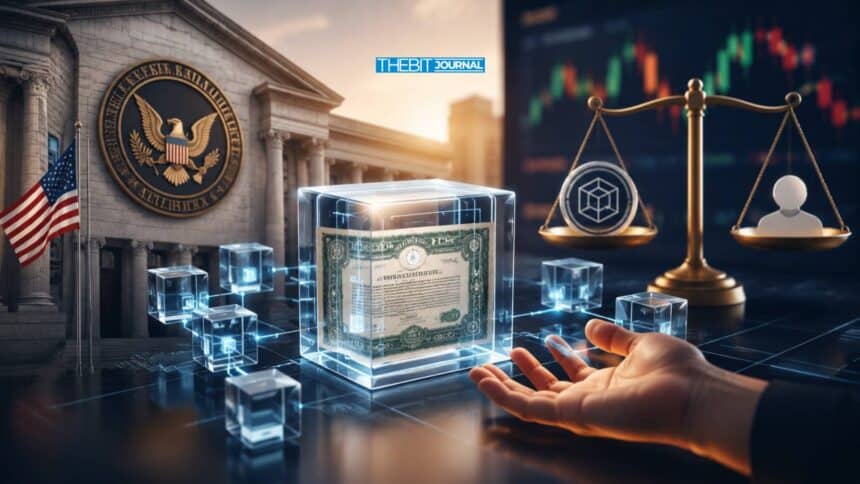

The debate about SEC tokenized stocks heats up as regulators contemplate allowing crypto exchanges to host blockchain alternatives to traditional Wall Street stocks. With its emerging innovation exemption rule, the SEC might allow platforms to create and trade blockchain alternatives to popular stocks like Tesla or Apple without the usual brokers and Wall Street traders. But what exactly would it mean to own a stock on a blockchain platform?
The lines between the notion of legal equity ownership and exposure to stocks on blockchains are becoming increasingly hard to draw as the tokenized equities sector continues to evolve. Even though blockchain alternatives to securities trading promise enhanced accessibility and liquidity, concerns over the ability of investors to have their rights upheld remain relevant. As SEC crypto regulation 2026 matures, this becomes the defining question of the space.

A Parallel Financial Ecosystem Through SEC Tokenized Stocks in 2026?
The emergence of tokenized stocks from the SEC heralds a possible change to a dual financial ecosystem comprising crypto exchanges and mainstream financial markets but operating in separate ways. According to Bloomberg Law, the SEC’s innovation exception via “Project Crypto” could enable crypto exchange tokenized equities to thrive without much regulatory interference, facilitating rapid innovations cycles.
At the same time, there will be fragmentation issues as well. There is an issue about whether crypto exchange stocks products will stay within the realms of securities laws or whether such products will evolve into loosely regulated derivatives. In preparation for potential SEC crypto exchange rule changes, the financial architecture of the world could change dramatically in 2026.
Tokenized Stocks from SEC Create a New Gap Between Ownership and Price Exposure
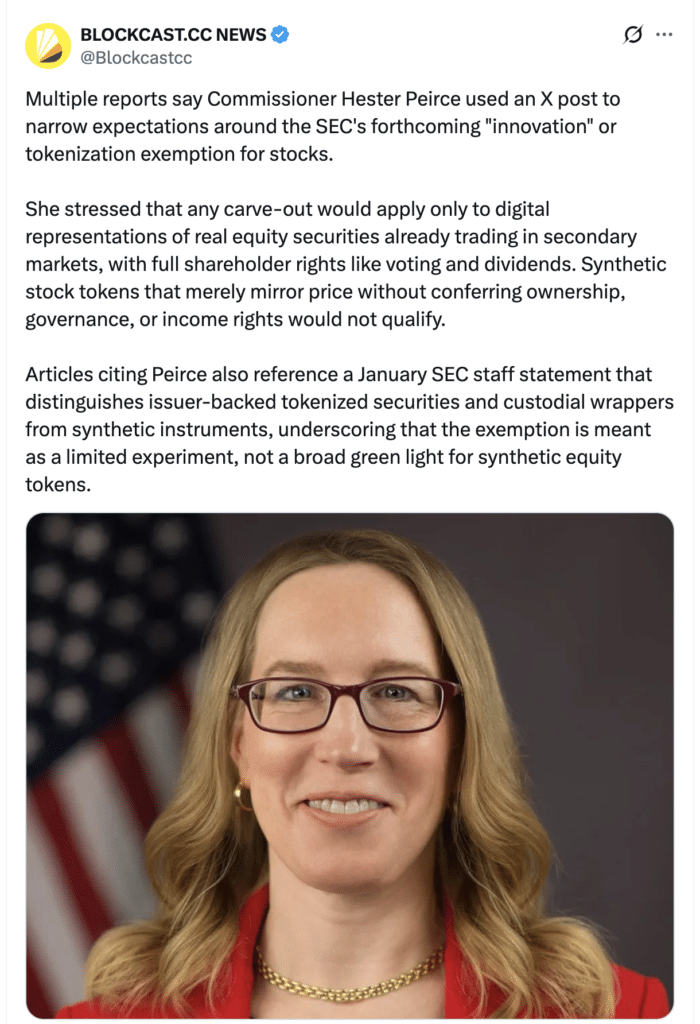
A discussion of SEC tokenized stocks gets complicated if you differentiate between actual ownership and price exposure. Some tokenization schemes provide for an actual ownership of underlying assets, whereas other schemes are purely synthetic derivative products that track price changes. The above dichotomy is vital for the evolution of RWA token projects.
When talking about crypto exchanges introducing tokenized stock solutions, there is a question of whether investors receive voting privileges and dividend entitlements. It may well be that investors receive no such advantages but rather gain price exposure through blockchain wrappers. In essence, it becomes vital for participants of tokenized securities markets to understand whether a token equals a share, or it only reflects its value.
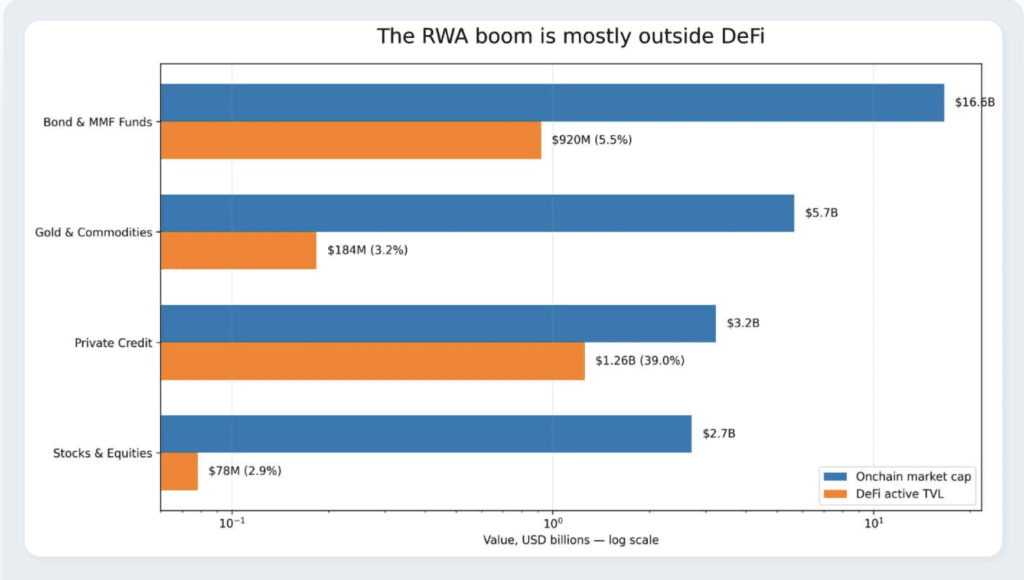
SEC Tokenized Stocks Could Challenge Wall Street’s Control Over Equity Distribution
The evolution of SEC tokenized stocks could weaken traditional gatekeeping structures that dominate global equity distribution. If approved under the SEC’s proposed framework, crypto exchanges trading tokenized stocks without Wall Street approval may become a reality in limited cases. This would significantly alter how equities are accessed, traded, and settled.
Projects exploring blockchain-based stock trading platforms argue that tokenization enhances efficiency through 24/7 trading and near-instant settlement. However, traditional institutions caution that such systems could fragment liquidity and introduce regulatory inconsistencies. The balance between innovation and oversight will define how the future of tokenized stock trading unfolds in 2026 and beyond.
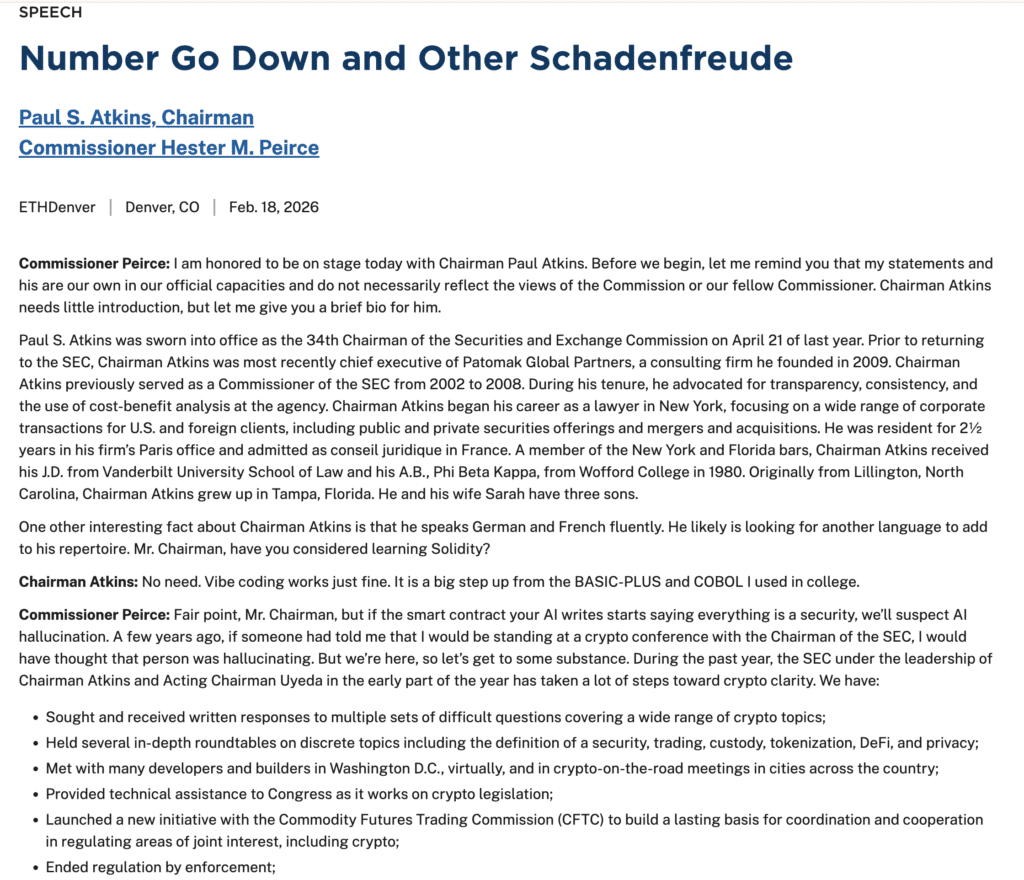
SEC Tokenized Stocks Could Intensify Regulatory Pressure on Crypto Innovation
The rollout of SEC tokenized stocks is closely tied to broader SEC crypto regulation 2026 efforts aimed at keeping financial innovation within U.S. jurisdiction. By introducing controlled pathways for tokenized securities, regulators hope to prevent offshore migration of capital markets innovation.
At the same time, the flexibility granted under an SEC innovation exemption for crypto exchanges could create unintended consequences. Platforms may accelerate development of hybrid instruments that blur the line between securities and crypto assets. As tokenized stock trading expands, compliance standards around disclosure, custody, and settlement will become more critical in shaping investor trust across the tokenized equities market.
SEC Tokenized Stocks Raise Core Questions About What Investors Actually Own
The central controversy surrounding SEC tokenized stocks lies in the definition of ownership. A token tracking Nvidia or Apple may not confer the same rights as holding the underlying equity. This creates a structural divide between perception and legal reality in tokenized stocks on blockchain in 2026 systems.
In this environment, investors may assume parity with traditional equities, while actual rights differ depending on platform structure. The SEC may allow crypto exchanges to trade tokenized stocks, but disclosure standards will determine whether users fully understand the risks. Without clarity, tokenized stocks crypto products risk becoming misunderstood financial instruments within rapidly expanding RWA crypto narrative ecosystems.
Conclusion
The evolution of SEC tokenized stocks represents one of the most significant regulatory turning points in modern financial markets. As tokenization expands across equities, the line between traditional ownership and blockchain-based exposure continues to blur. While innovation promises faster settlement, global accessibility, and improved liquidity, uncertainty remains around investor rights and legal protections.
The outcome of SEC crypto exchanges policy decisions in 2026 will likely determine whether tokenized equities become a regulated extension of Wall Street or evolve into a parallel financial system with entirely different rules. Market participants and investors must closely evaluate what is truly being owned before engaging in tokenized markets.
Appendix: Glossary of Key Terms
Tokenized Stocks: Blockchain-based representation of traditional equities.
RWA (Real World Assets): Physical or financial assets represented on-chain.
Tokenized Equities Market: Trading ecosystem for blockchain-based stock representations.
Blockchain Stock Trading: Execution of equity transactions using blockchain infrastructure.
Crypto Exchanges Tokenized Equities: Platforms offering tokenized versions of public stocks.
Frequently Asked Questions About SEC Tokenized Stocks
What are SEC tokenized stocks?
SEC tokenized stocks refer to blockchain-based equity instruments potentially regulated under upcoming SEC frameworks in 2026.
Do tokenized stocks represent real ownership?
Not always. Some provide legal ownership, while others only track price movements.
How do crypto exchanges tokenize stocks?
Through custodial backing or synthetic derivatives that mirror traditional equity prices.
Why is regulation important for tokenized stocks?
It ensures transparency, investor protection, and alignment with securities laws.
References
Disclaimer
This article is for informational and editorial purposes only and does not constitute financial, investment, or legal advice. Cryptocurrency and tokenized asset markets involve significant risk, and investors should conduct independent research before making financial decisions.