



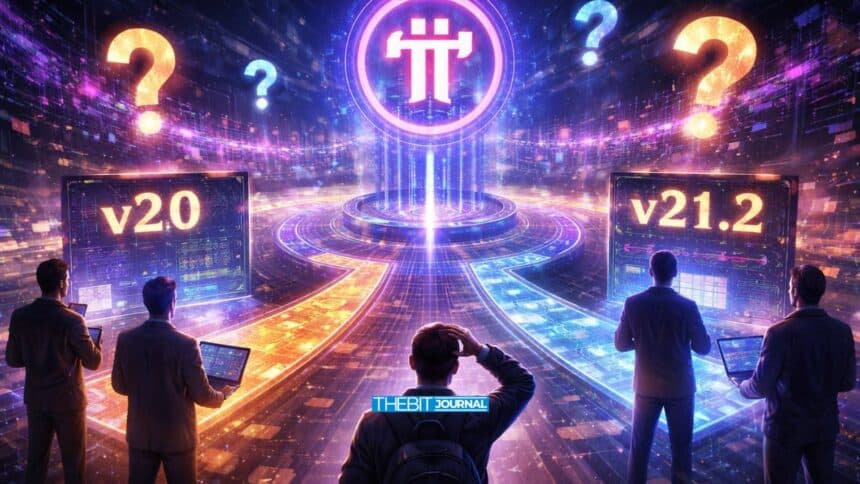

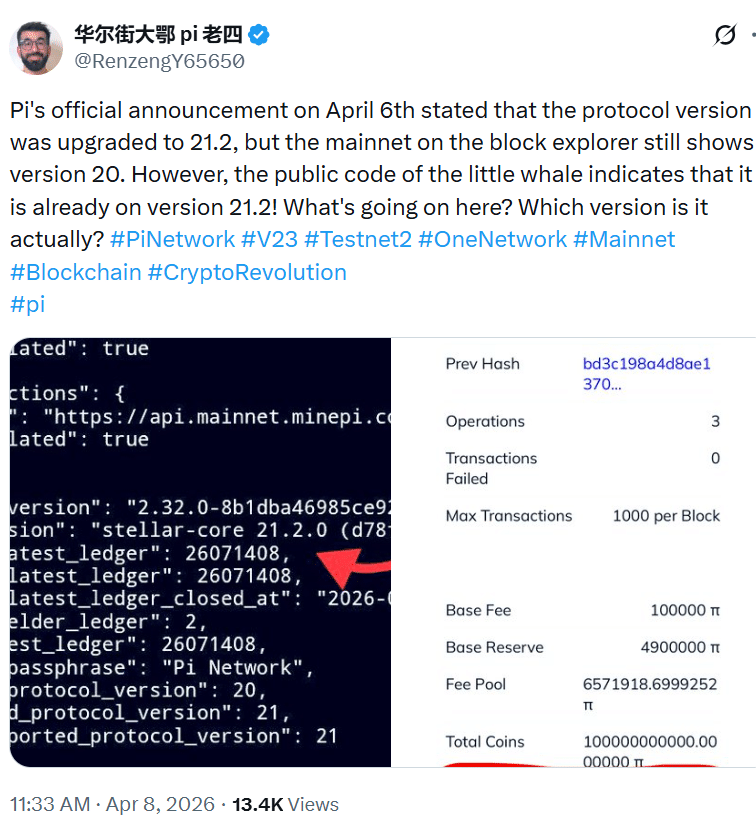
Pi Network has rolled out a new Mainnet protocol update, but the release has sparked confusion across the community. The project said it upgraded the protocol from version 20 to version 21.2 on April 6.
Yet the public block explorer still appears to show version 20. That mismatch has raised fresh questions about the network’s current status and the pace of the rollout.
Pi Network Roadmap Advances With Version 21.2
The update is just one piece of a larger, technical roadmap. The goal is to enhance network efficiency and solidity in transaction verification and pave the way for upcoming smart contract functionalities.
This release also prepares for Mainnet RPC support. These changes represent important steps before larger upgrades scheduled for later this month and in May.
The version question has become the central point of contention. So that some users are depending on the block explorer, which continues to display data from older versions.
Others cite the public codebase, which appears to be version 21.2. This has convinced enough observers that the backend upgrade is functioning, if the user-facing ones have not fully been brought up to speed.
Why the Version Mismatch Matters
The mismatch matters because it undermines trust and clarity. Users frequently check public explorers in blockchain networks to verify system modifications. That confusion can spread quickly when those tools reflect older data.
In this case, the users of the Pi Network are confused about whether it is complete or a work-in-progress.
Possible Reasons Behind the Delay
Community discussions point to several possible causes. One is synchronization delay. Another is a staged rollout across nodes. A third is normal propagation lag between the network backend and public dashboards.
These explanations suggest the issue may be technical rather than structural. Still, the gap has become a major talking point.
Codebase Suggests Upgrade Is Active
Developers and experienced users have pointed to the official source code as the stronger signal. The public codebase includes protocol changes tied to version 21.2.
That has led many to conclude that most nodes are already running the updated version. Pi Network had also asked node operators to move from v20.2 to v21.2 by April 6, adding weight to that view.
What the New Update Adds
The most recent release emphasizes how efficient and resilient the network is. It seeks to enhance the process through which transactions are validated and finalized. It also gets the chain ready for future applications.
These upgrades are crucial to any network that wishes to operate smart contracts and dapps on scale. For Pi Network, this is a gradual build-out and not an overnight shift.
Next Upgrades Are Already Scheduled
The roadmap does not stop here. Version 22.1 is expected on April 22. Version 23.0 is planned for May 18.
Those releases are expected to push the project closer to smart contract execution. If delivered on schedule, they could mark a major shift in how Pi Network expands its utility in Web3 use cases.
Developers Told to Watch Official Sources
The project has stressed that developers and node operators should check the official codebase for the latest status. That is because the block explorer may not always reflect the newest protocol version in real time.
This message highlights a common issue in blockchain infrastructure. Backend progress can sometimes move faster than public interfaces.
Pi Coin Price Levels Remain in Focus
The protocol update comes as traders watch the token closely. At the time of writing, Pi coin was trading near $0.1696. Technical indicators showed mixed but cautious sentiment.
The MACD remained negative, which pointed to weak momentum. The RSI stood at 42, which suggested a neutral market position rather than a strong bullish shift.
Resistance and Support Levels to Watch
The first key resistance level is near $0.17. A clear move above that mark could open the way toward $0.20. If buying strength improves, the next target could be $0.24.
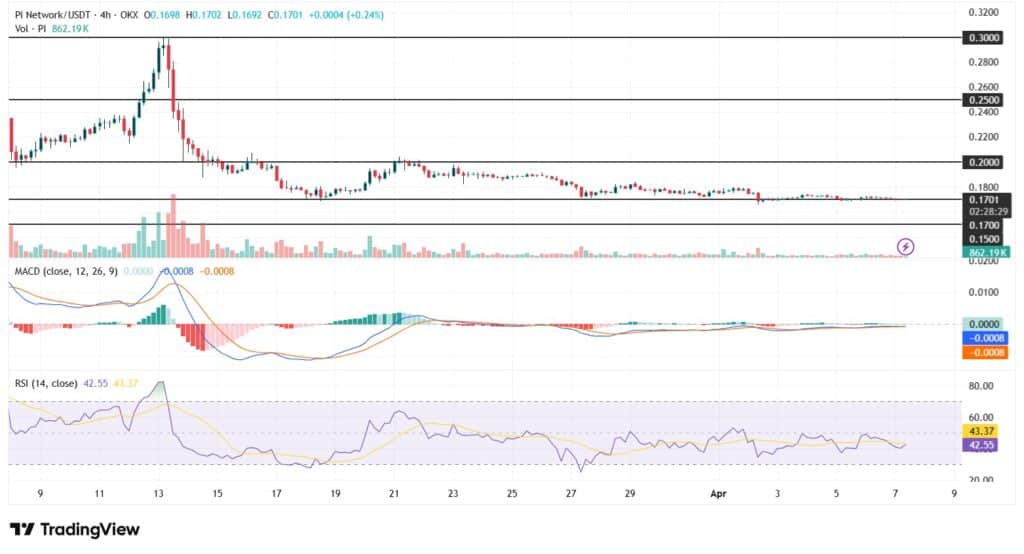
A push above $0.26 would point to stronger bullish sentiment, with $0.30 as the next level in view. On the downside, support sits near $0.16. If that level breaks, the next support zone could come in around $0.14.
Conclusion
The latest update shows that Pi Network is still moving through a careful technical transition. The version mismatch has created confusion, but the codebase suggests the upgrade is already taking shape behind the scenes.
For now, the project’s next releases may do more to clarify the network’s direction. Until then, both developers and users are likely to keep watching closely.
Appendix: Glossary of Key Terms
Mainnet: A live blockchain where real transactions are processed.
Protocol Upgrade: A technical update that improves network functions.
Block Explorer: A public tool that shows on-chain activity and data.
Node Operator: The participant who helps run and support the network.
Source Code: A software code that reflects the network’s core changes.
Smart Contracts: The self-executing blockchain programs for automated actions.
Mainnet RPC: The system that allows apps to connect with the live network.
Transaction Validation: A process of checking and confirming transfers on-chain.
Frequently Asked Questions About Pi Network
1. What did Pi Network upgrade on April 6?
It upgraded its Mainnet protocol from version 20 to version 21.2.
2. Why does the block explorer still show version 20?
Users believe this may be due to sync delays, staged rollouts, or dashboard lag.
3. What is version 21.2 meant to improve?
It focuses on performance, transaction validation, and network resilience.
4. What comes after this upgrade?
Versions 22.1 and 23.0 are planned next, with smart contract features expected later.
References