




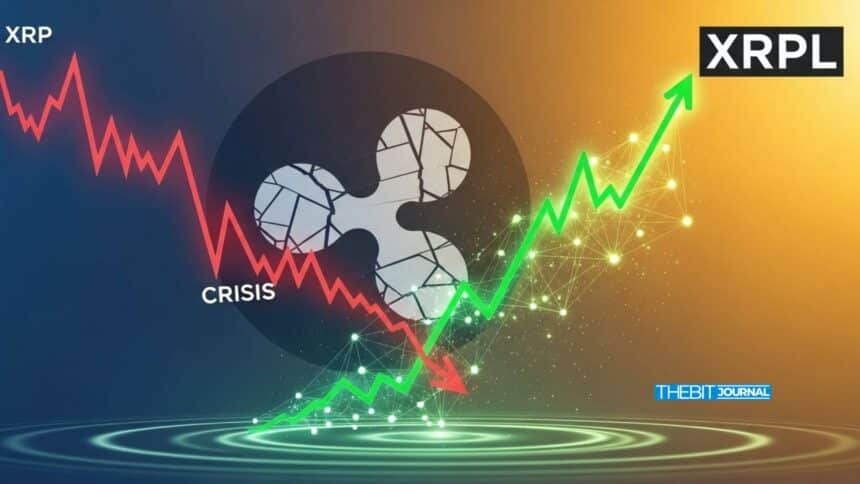

The XRP value capture across the digital asset world ha been lagging behind, even as the ledger itself continues to gain traction with real-world use cases. Tokenization, regulated stablecoins, and institutional adoption have seen reasonable growth, demand for XRP has not increased accordingly.
Meanwhile, recent on-chain data and ecosystem reports suggest that the XRPL has been accumulating billions worth of real-world assets. Real-world assets (RWA) tokenized on XRPL are now close to about $1.96 billion, including a $280 million diamond tokenization that is almost finalized, Ripple executive Reece Merrick said.
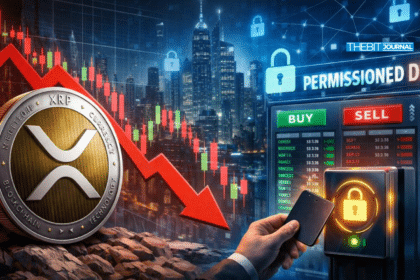
These infrastructure gains have failed to capture value for XRP, however. Price action this early March shows XRP price around $1.35-$1.44, а range that hasn’t changed in several months and much lower than its historical highs. While institutional interest does seem to be growing, analysts and market watchers point out that the immediate effect on market price is still limited.
This leads to a question: Is it reasonable to expect for the XRPL to be successful as a multi-trillion dollar settlement and tokenization layer, while the market cap of the XRP token grows only incrementally?
Institutional Interest and Stablecoin Expansion Highlight XRPL Utility
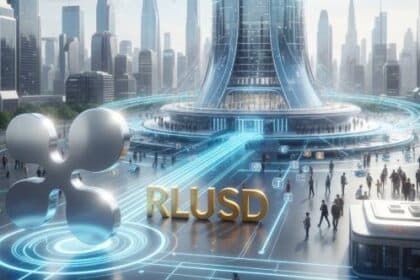
One of the reasons for XRPL’s adoption is the demand for regulated stablecoins and institutional products. Recent ecosystem figures indicate that stablecoin trading activity particularly concerning RLUSD, which is Ripple’s US dollar-pegged stablecoin, is climbing steadily. The latest report on RLUSD’s market cap on XRPL states that the indicator marked a 164.2% surge by the end of 2025, hitting hundreds of millions dollars.
Institutional spot XRP ETFs also still feature in the mix. Some of the retail and institutional capital is now sitting in regulated funds holding XRP, which indicates a change from simply speculative holders to participants with longer timeframes. This does promote supply compression which may eventually benefit XRP value capture but there has not yet been any impact on price.
Executives across the ecosystem also follow this trend. According to a recent report, the CEO of Evernorth asserted that XRP is entering into a new era of institutional yield with companies starting to build cash flow-type products around the token.
XRPL Development and Market Structure Change But Not Token Demand
Ripple’s leadership has long stressed that there is no one flick of the switch that will “activate” XRP and make markets leap. According to Ripple CEO Brad Garlinghouse at a late February 2026 conference; adoption isn’t determined by one grand master catalyst but rather an ongoing series of small improvements in compliance, infrastructure, and real-world integrations.
These structural upgrades are important. With low-cost settlement, compliance-ready tooling and tokenization squarely in the market’s crosshairs, XRPL is knocking on the doors of traditional finance and regulated entities.
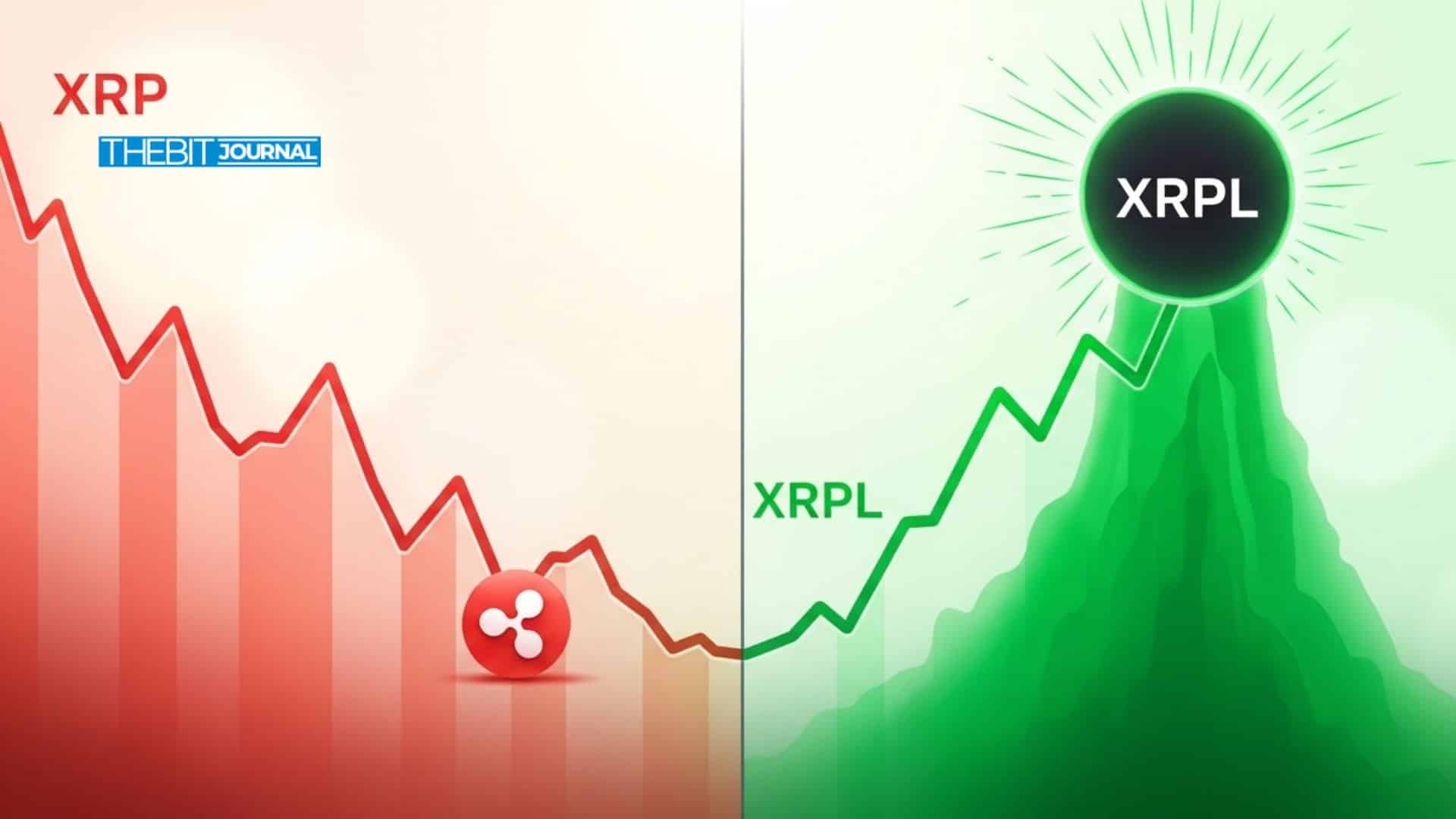
XRP value capture, however, remains tight despite this as a large part of the economic activity on XRPL doesn’t necessitate holding massive balances of XRP. XRP could only act as an accounting token or small settlement intermediary while settlements of stablecoins, issuance of tokenized instruments, or even transactions of real-world assets occur.
Hence, usage and adoption of XRPL is on the rise with a variety of both institutional enablement and Web3 use cases, but those metrics are not translating into “price demand” in proportion to XRP holders.
Supply Dynamics: Unlocking Escrow and Diving into the Float
Supply mechanics is another factor influencing XRP value capture. Ripple still controls supply through its escrow system which distributes a fixed quantity of XRP every month. In early March, another billion XRP was released from escrow by Ripple in accordance with the company’s held supply management program that it carries out openly.
This periodic release is intended to enhance liquidity and service On-Demand Liquidity (ODL), but increases the amount of tokens available over the short term, which can dampen extreme price movements.
Unreleased tokens are normally re-escrowed or carefully rotated into markets, but each release echoes across the trading floor and may add to selling pressure on XRP value capture if wider buying is not also rising.
There also are signs of a structural tightening in XRP’s liquid supply. On-chain data indicates exchange balances have decreased, partly due to ETF absorption and institutional custody.
XRPL Becoming More Significant as DeFi Work and Liquidity Leveraging Continue
Apart from tokenization and institutional products, usage of XRPL for DeFi is maturing as well. More than 107 million FXRP; a wrapped version of XRP on Flare Network; have reportedly been locked in yield strategies, making it easier for holders to participate in DeFi and opening up new avenues for utility. Such a development would impact XRP value capture should it continue to pull tokens out of circulation and back into productive on-chain use.
XRPL liquidity is deep on a per-market cap basis in some segments, but as a whole, the ecosystem lags behind networks like Ethereum for total DeFi TVL and liquidity aggregation. That said, the efforts to bring seamless on-chain yield products and regulated RWA yields shows the growing utility of XRPL beyond simple payments.
Conclusion
XRPL is winning in technology and adoption so far in 2026. Real-world assets are being issued, stablecoins are on the rise and institutional interest is pouring in. Market infrastructure around regulated products and compliance tooling are also evolving into maturity.
But as far as XRP value capture, the token has fallen behind. Prices are tame, indicating the gap between ledger usage and desire for the native asset as liquidity or settlement medium.
This mismatch suggests that infrastructure adoption alone does not equal token appreciation unless specific liquidity pathways such as market maker inventory for take-up, institutional treasury usage or DeFi yield locking become first order considerations in terms of settlement and quoting conventions.
Glossary
XRP Ledger (XRPL): A decentralized blockchain designed for tokenized assets, payments, and settlement.
XRP value capture: The degree to which economic activity on a blockchain translates into demand for the native token.
Stablecoin: A cryptocurrency pegged to a stable asset such as the U.S. dollar.
Escrow: A mechanism where pre-allocated XRP is released over time to manage liquidity.
Real-World Assets (RWA): Tokenized representations of physical or traditional financial instruments on a blockchain.
Frequently Asked Questions XRP Value Capture
What does XRP value capture mean?
It describes how much on-chain activity and real-world usage of the XRPL translates into demand and price support for the XRP token.
Has XRPL adoption grown in 2026?
Yes, adoption is rising through tokenization, stablecoins, institutional ETFs, and integration with DeFi networks like Flare.
Why hasn’t XRP price increased with XRPL growth?
Because much of the activity occurs using stablecoins or issued assets with minimal need to hold large XRP balances, keeping direct demand for XRP lower.
Do XRP ETFs influence XRP value capture?
Institutional ETFs can reduce free float and support price by locking tokens in custody, but price impact hasn’t yet matched infrastructure growth.
Is XRPL attracting institutional interest?
Yes, institutional products and regulated applications are growing, though they still struggle to translate directly into XRP price demand.
References