










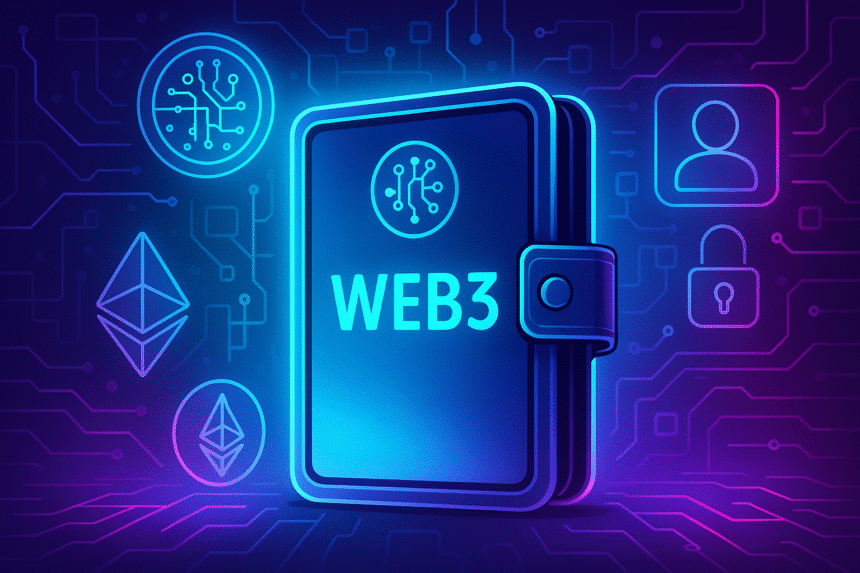

Web3 is changing the way many people use the internet. More people want control over money, digital identity, and online activities. Web3 wallets help make that possible. But many beginners still find crypto and blockchain very confusing. To support mass adoption, many new Web3 wallet innovations focus on making everything easier, faster, and safer to use. The goal is to help more people feel comfortable joining the digital world of blockchain.
A report from Statista showed that more than 560 million people around the world are using crypto in 2025. The number continues to grow each year. Better Web3 wallet design is a major reason for this growth.
This blog explains what Web3 wallets do and how new features improve user adoption for global crypto growth.
What Is a Web3 Wallet and Why It Matters for Crypto Adoption
A Web3 wallet is a digital tool that stores crypto assets and connects to blockchain apps. It helps users send and receive crypto, buy and sell digital items, and interact with decentralized applications. The wallet holds private keys. Private keys unlock crypto on the blockchain. Without keys, there is no ownership.
There are custodial wallets where a company controls the keys. There are non-custodial wallets where the user controls the keys. Non-custodial wallets are more common in Web3 because they support real ownership without any middleman.
A simple comparison explains it better.
| Feature | Traditional Apps | Web3 Wallets |
| Ownership | Controlled by company | Controlled by user |
| Data storage | On company servers | On blockchain |
| Access | Username and password | Private keys |
| Censorship resistance | Weak | Strong |
Web3 wallets help more people join the blockchain world because they provide a door to all decentralized features. If the wallet is too hard to use, adoption becomes slow. So innovations are important.
Current Issues Slowing User Adoption of Web3 Wallets
Even with strong interest in crypto, many users still feel scared to start. A recent global survey showed that more than 40 percent of new users quit before completing their first wallet setup.
There are several reasons:
- Crypto onboarding feels too complex.
- Seed phrases are confusing to remember.
- Gas fees look expensive and unpredictable.
- Scams and phishing attacks scare beginners.
A report from Chainalysis said that billions of dollars in crypto have been stolen due to scam tricks. New users want stronger protection and better guidance. Without solutions, these problems slow down mass crypto growth. That is why wallet developers are focusing on improvements that make everything simple and safe.
Web3 Wallet Innovations Solving Onboarding Problems
New wallets make onboarding easier by removing advanced steps. More wallets now use account abstraction. This feature removes technical tasks like network switching and high gas fees.
Instead of seed phrases, wallets can allow login through email, phone number, or social profiles. Gasless transactions also help beginners complete actions without paying extra costs.
Smart contract wallets offer flexible permissions. Users can set spending limits to reduce mistakes.
A simple table shows the change in onboarding.
| Wallet Task | Old Wallet Style | New Wallet Innovation |
| Login | Seed phrase setup | Email or fingerprint login |
| Gas fees | Paid every time | Gasless or auto covered |
| Security | Manual settings | Automatic protections |
| Network switching | Manual choice | Auto network selection |
Better onboarding improves adoption because beginners see crypto as easy instead of scary.
Biometric Security and Social Recovery Make Access Easy
Access loss has been one of the biggest problems in crypto. Many early users lost access because seed phrases were forgotten or misplaced. Reports from Chainalysis showed that more than 20 percent of all Bitcoin supply is permanently lost due to forgotten keys. This fear makes new users feel stressed when opening a wallet account. They often worry about losing everything with one simple mistake.
Biometric security improves access by making login as easy as unlocking a phone. Face recognition and fingerprint scanning give strong protection without any complex steps. These features are familiar to people who use smartphones. This builds confidence and reduces the fear of losing funds. Biometric login also lowers fraud risks because fingerprints and faces are difficult to copy.
Social recovery is another important improvement. Instead of writing long seed phrases on paper, users can appoint trusted contacts. These contacts help restore the wallet if access is lost. This prevents permanent lockouts. Multi-party computation is also used to split wallet keys into several pieces stored in different places. Even if one piece is lost, the wallet can be recovered safely. This approach makes security both strong and flexible.
Cross-Chain Web3 Wallets Improve Real Usage
Crypto ecosystems now include hundreds of blockchains. Each blockchain has unique tokens and apps. Older wallets required users to manually switch networks and copy token addresses. This created high confusion for beginners and caused mistakes. Many users stopped using crypto because processes felt too technical.
Cross chain wallets solve this by bringing different blockchains together in one interface. Tokens from Ethereum, Solana, Polygon, Avalanche, and others appear visually in a single wallet. Transfers, swaps, and payments can happen across chains without learning technical steps. This helps crypto feel more like a unified financial system.
Integrated bridges inside wallets support multi chain swaps. This allows users to exchange tokens from one chain to another with just a few clicks. Automatic token discovery also removes the need to search online for contract addresses. Auto network detection means the wallet selects the correct blockchain for each token without user effort.
In Wallet DeFi and Staking, Encourage Long-Term Use
DeFi adoption has grown quickly because users want ways to earn more on digital assets. Traditional banks offer low-interest savings. DeFi allows higher rewards with full control of funds. Web3 wallets now include simple access to staking, lending, and yield rewards. This means users do not need to visit many websites or connect different apps.
Staking is one of the most popular wallet features. Users lock their tokens to support blockchain networks and earn rewards. Lending pools allow users to provide liquidity and get interest. Some wallets include stablecoin saving tools. Stablecoins have lower price changes and can be used for daily financial planning.
When DeFi features are inside the wallet, beginners feel safe. The interface is familiar and shows clear information like earnings and risks. Many wallets include security checks to block dangerous DeFi contracts. This gives new users a better chance to learn slowly without losing confidence.
A simple look at common DeFi returns inside wallets:
| Feature | Main Benefit | Reward Range |
| Crypto staking | Earn rewards from tokens | 3 percent to 15 percent |
| Lending pools | Earn interest from loans | 2 percent to 10 percent |
| Liquidity pools | Earn share from trading fees | 5 percent to 20 percent |
DeFi features turn wallets into long term financial tools instead of one-time access apps. This supports strong user retention and encourages active participation.
NFT Support and Digital Identity Build New Use Cases
NFTs give digital ownership of items like art, game skins, music rights, tickets, and membership cards. Web3 wallets store these items securely and show them like a digital gallery. NFT ownership grew fast from just 2 million users in 2021 to more than 20 million in 2025. This growth has helped make wallets useful for more than just crypto transfers.
Wallets also support blockchain identity. This feature allows login to apps without passwords. A digital identity can link with achievements, loyalty points, game rewards, and verification badges. This creates a new online life where identity is secure and personally managed.
NFTs enable new ways for fans and creators to connect. Event tickets on the blockchain stop scams. Gaming NFTs move between apps. Digital memberships allow special access to experiences. These creative features give people reasons to open their wallets more often.
A quick view of common NFT-enabled use cases:
| Use Case | Benefit for Users | Adoption Growth |
| Event tickets | No fake tickets and easy access | Strong increase in entertainment |
| Gaming items | Travel between games | Big growth in Web3 gaming |
| Digital art | Direct support for artists | Popular with young collectors |
| Membership tokens | VIP access and perks | Rapid rise in fan communities |
More use cases = more daily activity. Wallets are becoming a key part of digital identity and entertainment.
Web3 Wallets for Mobile Make Crypto More Real Life
Mobile phones are the main digital devices in the world. More than 80 percent of online access is mobile in many regions. Web3 wallets now focus on mobile-first design to support daily usage. Mobile wallets allow transfers, shopping, and bill payments without a bank.
Tap to pay and QR code payments help crypto become a real spending tool. Many merchants and online stores now accept stablecoins. Regions like South America and Southeast Asia see fast adoption because mobile crypto solves payment problems during inflation and banking limits.
Statista predicts that mobile crypto payments may reach more than 2 trillion dollars by 2030. Mobile wallets also include simple fiat-to-crypto purchases. This removes barriers and helps users start instantly from a phone.
Education and User Interface Improvements Help Beginners

Beginners often feel overwhelmed by unusual crypto terms. Complicated screens and technical warnings can cause confusion and mistakes. Wallets now use clean layouts, visual icons, and guided assistance. These updates remove stress and make learning simple.
Many wallets include help centers inside the app. Short tutorials explain topics like sending crypto or buying NFTs. Pop up tooltips show safe transactions and explain gas fees. Price charts and clear token labels prevent misunderstandings. These improvements help beginners avoid common risks.
Glossaries inside the wallet are helpful to new learners. They explain terms like blockchain, staking, network fees, and decentralized apps. Knowledge builds confidence. When users feel smarter, they stay longer.
Regulatory Compliance and Safety Features Improve Trust
Trust is important in any financial service. Governments around the world are updating laws to support safer digital asset systems. Web3 wallets use regulated partners to handle fiat money. This allows card and bank deposits while staying within legal rules.
Safety warnings inside wallets help prevent fraud. When a transaction looks risky, warning signs appear before confirming. Wallets block known scam websites and malicious contracts. These real-time protections reduce losses and increase confidence.
Many countries now build digital asset frameworks to support business growth. When regulation is clear, banks and companies join the crypto industry. This creates more legal services and more ways for consumers to use Web3.
Safer wallets equal stronger trust. Stronger trust equals higher adoption.
The Future of Web3 Wallets is Invisible Crypto
In the future, crypto actions will not feel separate from normal apps. Wallets will run in the background quietly, while users enjoy services like shopping, gaming, streaming, and identity checks. Blockchain transactions will process automatically without asking the user to learn technical settings.
Experts call this the invisible crypto experience. Users will be able to interact with digital ownership without worrying about private keys or gas fees. This smooth transition will finally remove the difference between Web2 and Web3. The internet will become open, secure, and user-owned.
Wallets will be the foundation of this new experience. As the technology improves, crypto adoption will increase the same way smartphones grew from a niche tool to a normal part of life.
Case Studies of Top Web3 Wallets Driving Adoption
Many popular Web3 wallets already support millions of users. These wallets focus on simple onboarding, cross chain support, mobile optimization, and stronger security. Below are some examples.
MetaMask has more than 30 million monthly active users. It connects to thousands of apps in Ethereum and growing ecosystems. Coinbase Wallet connects to a large exchange for easy crypto purchases. Trust Wallet is known for strong mobile support and built in NFT views. Phantom Wallet grew fast with Solana and now expands to Ethereum.
A simple comparison shows their influence.
| Wallet | Focus Strength | User Impact |
| MetaMask | Largest dApp access | High activity |
| Coinbase Wallet | Easy crypto purchase | Beginner friendly |
| Trust Wallet | Strong mobile features | Popular in emerging markets |
| Phantom | Fast performance in gaming and NFTs | Younger user base |
Web3 Wallet Adoption Statistics and Market Growth Outlook
Crypto adoption around the world is rising faster every year. More than 560 million people use digital assets in 2025. Forecasts show that crypto users may reach more than one billion by 2030. Wallet improvements are a key reason for this growth.
Below is a clear adoption timeline.
| Year | Estimated Global Crypto Users |
| 2020 | 100 million users |
| 2022 | 300 million users |
| 2025 | 560 million users |
| 2030 Forecast | 950 million to 1.3 billion users |
As adoption grows, more people will want safer, easier wallets. The industry continues to invest in better technology, education, and user rights. This trend supports a strong future for mass Web3 access.
Conclusion
Web3 wallet innovations are solving the biggest problems that stop people from joining the crypto economy. Easier onboarding, biometric security, social recovery, cross-chain support, mobile payments, and simple in-wallet DeFi features are driving new adoption across the world. These improvements focus on making blockchain simple for beginners and useful in real life. The future of wallets supports huge global adoption and a stronger digital economy.
Frequently Asked Questions About Web3 Wallet Adoption
What is a Web3 wallet
A Web3 wallet is a digital application that stores private keys and allows secure access to blockchain networks. It makes it possible to send and receive cryptocurrency, manage NFTs, and connect to decentralized apps. The wallet does not store funds inside the app. Instead, assets remain on the blockchain while the wallet gives control to the owner through private keys.
Are Web3 wallets safe to use
Most modern Web3 wallets use strong security methods like biometric login, social recovery, and multi-party computation. These technologies protect access and lower the risk of lost funds. Some wallets also include built-in scam alerts and contract warnings to help users avoid dangerous actions. Security continues to improve as Web3 wallets evolve.
Do Web3 wallets require seed phrases to work
Seed phrases were commonly used in older wallets, but many new wallets do not require them. Access can be restored through email login, phone login, or selected recovery contacts. This makes wallet use easier and reduces stress caused by losing long password phrases. Social recovery and secure key splitting provide safe alternatives to seed phrases.
Can Web3 wallets support tokens from different blockchains
Yes. Many Web3 wallets now support multiple blockchains at the same time. Assets from Ethereum, Solana, Polygon, Avalanche, and other networks can appear together in one interface. Cross-chain swaps allow tokens to move between networks without manual steps. This makes Web3 easier for new users.
Is global crypto adoption growing every year
Crypto adoption continues to rise with strong momentum. According to global industry reports, more than 560 million people were involved in digital assets in 2025. Forecasts show that this number may grow to more than one billion users by 2030. Web3 wallets play an important role in this growth by giving simple and secure access to the blockchain economy.
What can be stored inside a Web3 wallet besides crypto
Web3 wallets store more than just coins. They support NFTs such as digital art, game assets, music rights, and blockchain-based tickets. Wallets also hold digital identities that allow password-free login to apps and services. These new features expand the purpose of wallets beyond finance.
Can Web3 wallets be used on mobile phones
Yes. Most popular Web3 wallets are available as mobile apps. Mobile wallets allow fast payments, QR code scanning, and easy crypto purchases with bank cards. This helps users access Web3 features anytime and anywhere, which supports higher adoption worldwide.
Summary
Web3 wallets are becoming easier for beginners. New features like simple login, cross chain support, and mobile crypto payments help more people use blockchain in real life. Better wallet technology and better security encourage long term adoption and global crypto growth.
References
https://www.tokenmetrics.com/blog/why-web3-ux-poor-web2-2025?0fad35da_page=58&74e29fd5_page=31
https://thebitjournal.com/web3-wallet-innovations-for-user-adoption-2025/
https://www.tokenmetrics.com/blog/why-web3-ux-poor-web2-2025?0fad35da_page=58&74e29fd5_page=31
https://thebitjournal.com/the-mastercard-polygon-partnership-could-bring-web3-to-masses/