
Why 2026 is a tougher year for play-to-earn
Search interest for best Play To Earn Games is climbing again, but the environment is far less forgiving than the first hype cycle. Token inflation is easier to spot, liquidity is thinner when markets wobble, and players are quicker to leave when a game feels like a job with a shrinking paycheck.
The strongest projects now lead with gameplay and treat ownership as an opt-in upgrade. Big Time, for example, markets itself as free-to-play with a player-driven economy, which signals a focus on retention before monetization. In parallel, GUNZ frames its model around optional item ownership, where players can turn items into tradable NFTs if they want, and the token is named GUN.
For readers sorting through best Play To Earn Games lists, that shift matters because free entry and optional Web3 reduce the pressure to speculate just to justify a buy-in.
The crypto indicators that actually matter in games
Visuals matter, but the economy decides whether rewards survive as anyone judging best Play To Earn Games in 2026 can focus on a few indicators that translate cleanly from markets to games.
Start with reward source; Heavy token emissions usually mean dilution and persistent sell pressure, while sink-based loops, such as crafting and upgrades, tend to hold up better. Big Time’s token is framed around crafting and upgrades, which is a sink-driven design.
Next is onboarding friction; A 0-cost start is a retention tool. When a title requires a $50 to $200 upfront purchase, many players treat early sessions as a recovery mission, which pushes behavior toward dumping rewards instead of learning the game.
Then comes market depth; If items trade frequently and stay useful across updates, the economy has a chance to stay liquid. Gods Unchained makes ownership and trading explicit around cards, which helps players understand what is being bought and what can be sold.
Finally, token structure and utility matter more than social buzz. PIXEL traded around $0.006 in early February 2026, a reminder that valuations can compress fast when utility does not keep up with supply. That is why best Play To Earn Games research should never stop at token price charts.
Best Play To Earn Games to watch in 2026
Axie Infinity
Axie Infinity remains a reference point because it has survived cycles and kept iterating. The project describes a virtual world of collectible creatures, and it continues to run with tokenized assets and multiple experiences on Ronin. In 2026, Axie’s edge is not easy money; it is a mature economy with years of tuning, which is why it still appears in serious best Play To Earn Games conversations.
Pixels
Pixels is a social farming game that became closely tied to Ronin’s growth story. It previously highlighted reaching 1,000,000 daily active users at peak, which is a strong usage signal in a sector that often inflates numbers. As with most best Play To Earn Games, the key is whether the loop stays fun without rewards, because that is what keeps demand alive for items and in-game utility.
Big Time
Big Time pushes a cleaner onboarding message: free-to-play access first, then a player-driven economy and tradable assets for those who want them. Its token is framed around crafting and upgrades, which creates natural sinks that can reduce the “farm and dump” dynamic. Among best Play To Earn Games, this is the kind of design that fits the more skeptical 2026 player base.
Illuvium
Illuvium positions itself as an interconnected franchise and continues to publish updates across its universe, including patches that adjust gameplay systems. That matters because economies do not stay stable without balance work. Illuvium tends to attract players who want deeper progression, and analysts often watch it for delivery cadence rather than quick token moves.
Gods Unchained
Gods Unchained stays relevant because it plays like a competitive card game first and makes ownership of cards explicit, including the ability to trade. Many best Play To Earn Games fail by hiding complexity behind jargon, while this title keeps the value proposition easy to explain, which often helps retention.
The Sandbox
The Sandbox is closer to a creator economy than a match-reward system. Its official platform emphasizes user-generated experiences and NFT monetization inside a metaverse structure. It fits play-to-earn lists when creators treat building as the core gameplay and earnings as a byproduct of making experiences that other players return to.
Off The Grid and the GUNZ stack
The most interesting 2026 direction is arguably AAA-style games that keep Web3 optional. GUNZ describes the option to turn items into tradable NFTs and identifies the token as GUN, positioning the system as infrastructure for games including Off The Grid. For best Play To Earn Games watchers, this matters because it aims to bring in non-crypto players without forcing wallets on day 1.
Risks that deserve a straight answer
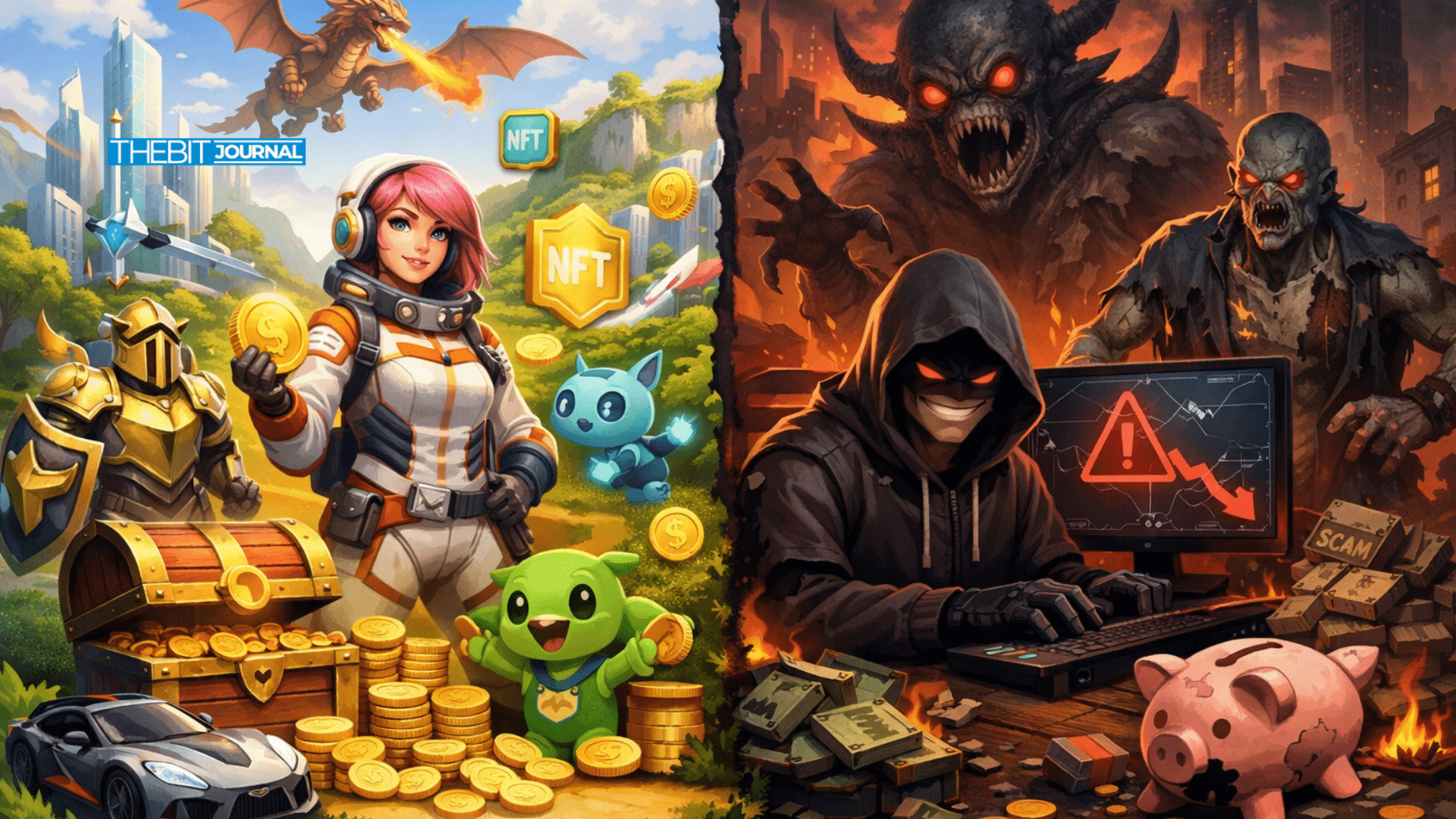
Any guide to best Play To Earn Games should be clear about trade-offs. Rewards can shrink when emissions outpace demand, NFT prices can drop when metas shift, and thin liquidity can turn exits into discounts. Security matters too, because marketplaces and wallets expand the attack surface.
Tax and regulatory treatment also varies by jurisdiction, so participation carries reporting risk as well as market risk.
Conclusion
Play-to-earn in 2026 is best viewed as gaming with an ownership layer, not steady income. The titles above prioritize onboarding, utility, and updates, and they keep rewards secondary to play. For anyone comparing best Play To Earn Games, the safest filter is that the game remains enjoyable without rewards.
Disclaimer: This article is for informational purposes only, not financial, legal, or tax advice. Play-to-earn games, tokens, and NFTs are high-risk and can lose value quickly, with thin liquidity and security threats. Always do your own research and follow the rules in your jurisdiction.
Frequently Asked Questions (FAQs)
What makes a title qualify as best Play To Earn Games in 2026 instead of a short-lived hype project?
A title tends to qualify when it can retain players without aggressive token inflation, offers clear utility and sinks, and has a marketplace that remains active during quieter market periods.
Do crypto games in 2026 still require wallets and NFTs?
Many modern designs let players start without a wallet and introduce ownership later. Optional ownership models are increasingly common in larger projects, including GUNZ and free-to-play titles like Big Time.
How much can players earn in 2026?
Earnings vary widely and change with token volatility, season rules, and liquidity. Rewards are better treated as a bonus that may offset time spent for skilled, consistent players, not as a reliable hourly income.
Glossary of key terms
Token emissions are newly issued tokens paid out as rewards, which can dilute value if demand does not keep pace.
Token sinks are mechanics that consume or lock value, such as crafting fees, upgrades, repairs, or entry costs.
Daily active users, often abbreviated as DAU, track unique players per day and can act as a proxy for demand.
Liquidity is how easily a token or NFT can be traded without large price swings, and thin liquidity often forces discounted exits.
On-chain refers to actions or ownership recorded on a blockchain, which can improve transparency but also introduces custody, transaction, and security considerations.
References