



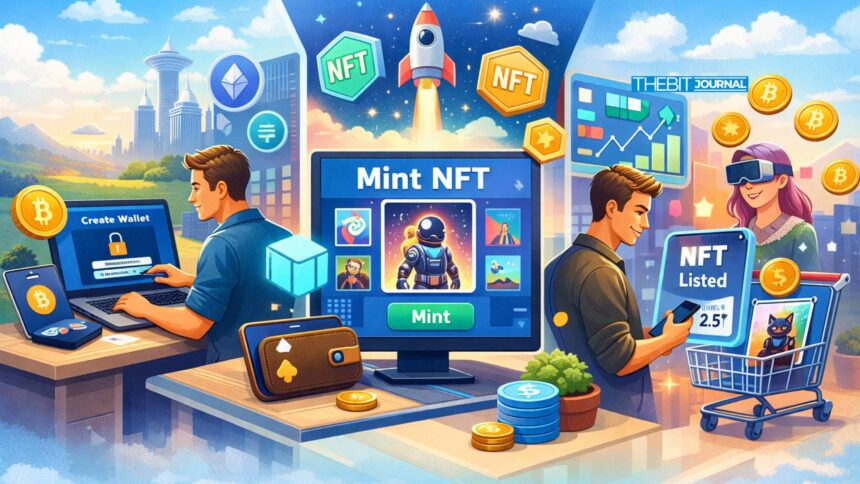

NFTs sound like a futuristic idea until someone watches a simple upload become a tradable asset on a blockchain. That is the real appeal. A creator takes a piece of digital work, attaches verifiable ownership to it, and turns it into something that can be collected, resold, or showcased publicly without relying on trust alone. The process can feel intimidating at first, mostly because of wallets, fees, and unfamiliar terminology, but it becomes straightforward once the steps are clear and the common mistakes are avoided.
This article explains how to mint an NFT, with the practical details beginners usually miss. It also covers how creators choose a blockchain, manage costs, and sell safely without falling into hype traps.
What “Minting” an NFT Actually Means
Minting is the moment a digital file becomes a token recorded on a blockchain. The file itself usually stays stored off-chain, while the NFT contains a link to that file plus metadata, such as the title, description, and creator address. Think of the blockchain like a public registry, similar to a property record system, except the “property” is a unique digital token tied to an artwork, collectible, music clip, or membership pass.
When someone asks how to mint an NFT, they are really asking how to create that on-chain record in a way that is readable, tradeable, and permanently tied to the creator’s wallet.
Before Minting: What a Beginner Should Prepare
Minting goes smoother when a creator gets three things right early: the file, the purpose, and the plan.
The file is the easy part. NFTs can represent images, short videos, audio, 3D models, and even interactive files. The purpose is more important. Some NFTs are made to be collected as art. Others unlock perks like access to a private community, event entry, or future drops. The plan brings everything together because it decides the blockchain choice, the edition size, and the pricing strategy.
Creators who skip the plan often end up paying unnecessary fees, minting on the wrong network, or listing work at a price that does not match the audience.
Choosing the Right Blockchain Without Guessing
A beginner can mint on several major blockchains, and each one has tradeoffs. Some networks are known for deep collector communities and long-term credibility, but fees can rise when the network is busy. Others are fast and low-cost, which helps new creators test ideas without burning a budget. Some focus on gaming and digital items, while others lean toward art and culture.
When choosing a blockchain, the smart approach is not chasing what is “hot.” It is matching the project to the audience.
If the goal is premium digital art with fewer pieces, a creator may accept higher mint fees in exchange for a collector base that spends more. If the goal is experimenting with multiple designs, lower fees and faster confirmations matter more. If the NFT is meant for community access or gaming items, speed and low transaction costs can become the difference between a smooth launch and a frustrating one.
This is where beginners start to see the bigger picture: how to mint an NFT is not just a technical question; it is a product decision.
The Wallet Setup That Keeps Beginners Safe
NFT minting begins with a crypto wallet that can connect to NFT platforms. The wallet stores the private keys, which are the real ownership. If the keys are lost, access is gone. If the keys are stolen, the NFTs can be transferred away quickly.
A safe setup usually includes a fresh wallet used mainly for minting and collecting, along with a separate wallet used for everyday activity. Many experienced collectors treat wallets like house keys. One key opens the front door, another key opens the safe, and they do not get carried around in the same pocket.
Funds also need to be added to the wallet for fees. Fees vary by blockchain activity. A typical mint might cost $1 to $30 on lower-fee networks during normal conditions, while higher-fee networks can spike far above that during busy periods. Planning for minting costs prevents the beginner mistake of running out of funds at checkout and wasting time while prices shift.
Step 1: Turning an Idea Into a Clean NFT File
A creator starts by exporting the NFT file in a common format and keeping quality consistent. Images are often saved as PNG for crisp detail, while short videos may use MP4. The description should be written like a product listing, not a poem that hides what the buyer is getting. Collectors want clarity: what it is, why it matters, and what makes it unique.
Then comes metadata. Metadata is the label system that follows the NFT everywhere. It can include traits like color, background, rarity, or edition number. These details become important later, because they help collectors filter collections and compare items quickly.
Step 2: How to mint an NFT in a Beginner-Friendly Way
Once the file is ready and the wallet is funded, the creator connects the wallet to an NFT platform and begins the minting flow. The platform will ask for the file upload, title, description, and optional traits. After that, it typically asks for the collection settings, such as whether the NFT is a 1-of-1 or part of a series.
The final step is approving the blockchain transaction. This is where the NFT gets recorded. The wallet will show a confirmation prompt with a fee estimate. If the fee looks unusually high, a creator can wait, because fee levels often change by the minute.
At the end, the token appears in the wallet and on the platform profile once the blockchain confirms the transaction. For many beginners, this moment makes the concept click: how to mint an NFT is essentially publishing a verifiable record of ownership, not just uploading a file online.
Understanding “Lazy Minting” and Why It Matters
Some platforms use a method where the NFT is not fully written to the blockchain until it is purchased. This approach can reduce upfront costs, which is helpful for new creators testing demand. The tradeoff is that the first buyer may pay the mint cost during purchase, and some collectors prefer fully minted NFTs because they already exist on-chain.
Lazy minting can be a reasonable option for beginners, especially when experimenting with pricing, style, and audience. It also reduces the risk of paying fees for a drop that never sells.
Pricing the NFT Like a Product, Not a Lottery Ticket
Pricing is where beginners either build momentum or stall out. A strong NFT does not sell simply because it exists. It sells when the price matches the perceived value, the creator credibility, and the collector’s expectations.
For 1-of-1 art, pricing often leans on the creator’s portfolio strength and storytelling. For collections, pricing becomes a balance between accessibility and exclusivity. A low price can attract more buyers but may weaken the perceived rarity. A high price can signal confidence but may lead to zero sales if the creator is unknown.
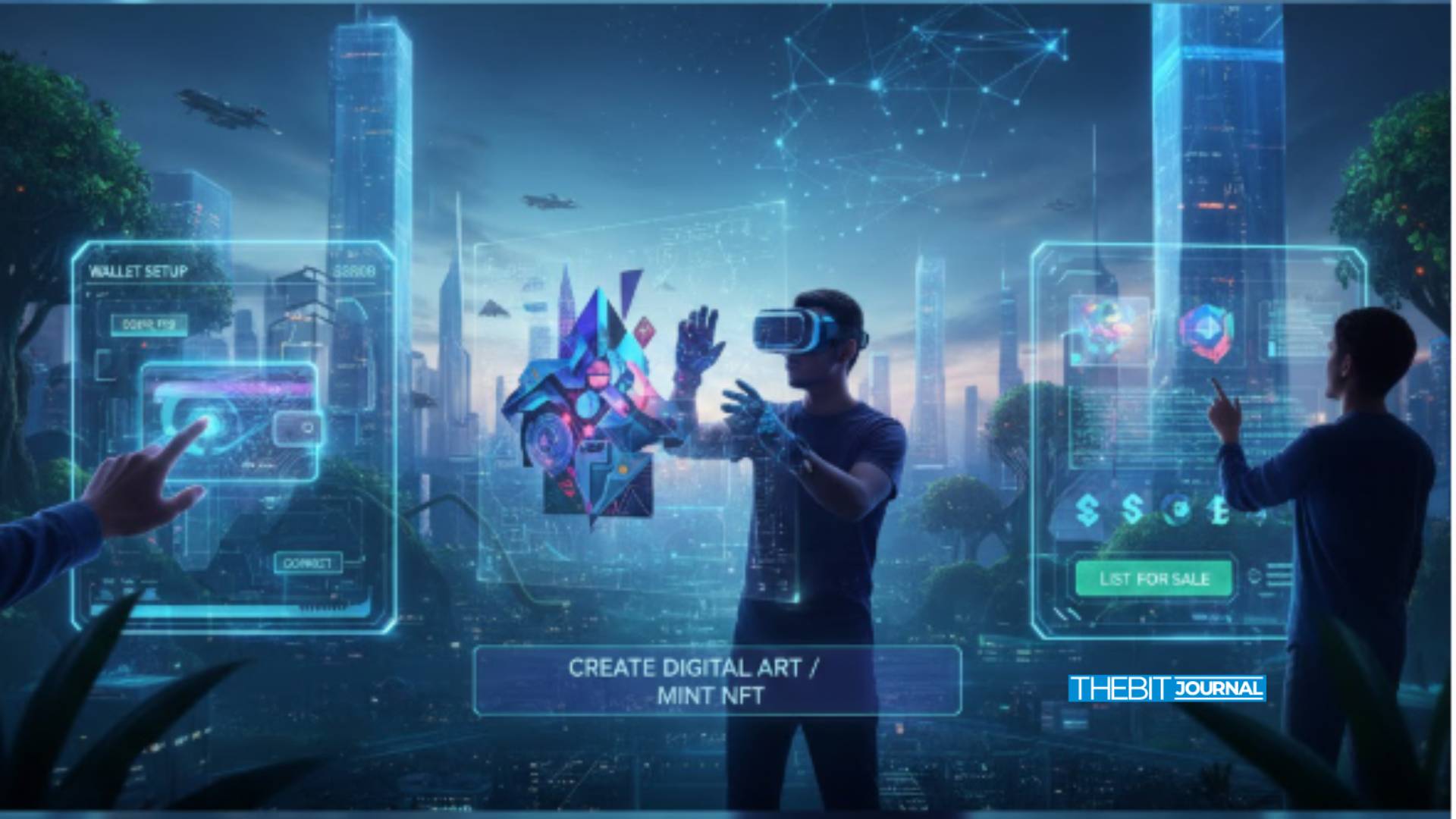
Smart creators also think about secondary sales. If an NFT is priced too high, there is little room for future buyers to profit, which can reduce trading activity. If the price is reasonable, the NFT can change hands more easily, which increases visibility over time.
This is another reason why how to mint an NFT is tied to business sense, not only blockchain mechanics.
Selling: What Happens After the Mint
After minting, the NFT still needs a listing. The creator sets the sale format, typically a fixed price or an auction. Fixed price is simpler and works well for beginners. Auctions can generate excitement, but only when there is already attention and demand.
The listing also includes royalty settings on some platforms. Royalties aim to reward creators when NFTs resell later, but enforcement can vary depending on the ecosystem. A creator should treat royalties as a possible bonus, not guaranteed income.
Once listed, the most important factor becomes discovery. Even strong NFTs can sit unnoticed without visibility. The creators who consistently sell often do the unglamorous work: building a recognizable style, explaining the project clearly, and earning trust through consistent delivery.
The Quiet Shift in NFT Minting: Utility, Identity, and Real-World Use
NFTs have evolved beyond profile pictures and speculative flipping. More projects now focus on practical utility such as membership access, digital identity, ticketing, loyalty rewards, and creator communities. Some brands use NFTs as proof of attendance. Some games use them for tradable items. Some creators use them as a pass that unlocks future content.
This shift matters because it changes what collectors look for. A polished image is still valuable, but a clear use case can add long-term relevance. Beginners who understand this trend can design NFTs with staying power, not just launch-day excitement.
In that context, how to mint an NFT becomes the first step of building something that can live, evolve, and hold value beyond a single moment.
Common Beginner Mistakes That Cost Time and Money
Many mistakes come from rushing. Some creators mint on the wrong blockchain and later realize their audience is elsewhere. Others upload low-quality files or forget to double-check metadata, leaving typos permanently attached. Some connect their wallet to suspicious links and lose assets before they even sell the first NFT.
The safest approach is slow and deliberate. A creator should double-check the platform URL, confirm transaction details in the wallet, and avoid signing approvals that grant unlimited access. Security is not optional in crypto. It is the baseline.
Copyright, Ownership, and What a Buyer Actually Gets
Minting an NFT does not automatically transfer copyright unless the creator explicitly grants it. In most cases, the buyer owns the token, not the underlying intellectual property. That means the buyer can resell the NFT, but they may not have the legal right to reproduce the artwork commercially.
Creators should be clear about what is included: personal use, commercial rights, access perks, or future drops. A simple licensing note can reduce confusion and prevent disputes later. Clear terms also strengthen credibility, which is part of strong EEAT for any creator trying to build a lasting presence.
Conclusion: Minting Is Simple, Success Comes From Clarity
NFT minting is not reserved for developers or insiders anymore. With the right wallet setup, a smart blockchain choice, and clean project details, even a beginner can create a professional NFT that collectors can verify and trade.
Still, the real difference comes after the mint. The creators who last treat NFTs like a craft and a product at the same time. They control costs, communicate clearly, and build trust step by step. When the process is approached with patience instead of hype, how to mint an NFT turns into something more valuable: a repeatable path to publishing digital ownership with real-world credibility.
Frequently Asked Questions (FAQs)
What is the cheapest way to mint an NFT?
The cheapest path usually involves choosing a blockchain with low transaction fees and minting during low network congestion. Some platforms also offer delayed on-chain minting, which can reduce upfront costs for beginners.
How long does it take to mint an NFT?
Minting can take anywhere from a few seconds to several minutes depending on network traffic and blockchain confirmation times. If the network is busy, confirmation can take longer.
Can a beginner mint NFTs without coding?
Yes. Most NFT platforms provide a user-friendly interface where a creator uploads a file, enters metadata, and confirms the transaction through a wallet. Coding is optional for advanced customization.
Is it possible to mint an NFT for free?
Some platforms reduce upfront fees through delayed minting models, but there is usually a cost at some point, either during purchase or during transfer. Blockchains require transaction fees to record data.
What should a creator do after minting?
After minting, the creator typically lists the NFT for sale, shares the story behind it, and builds visibility through consistent content and community engagement. Minting is only the beginning.
Can NFTs be resold immediately after minting?
In most cases, yes. Once the NFT is confirmed on-chain and visible in the wallet, it can be listed for sale. Some platforms may require a brief indexing period before it appears publicly.
How many times can the same art be minted?
A creator can mint multiple editions of the same artwork unless they choose to keep it strictly 1-of-1. The value often depends on scarcity, clarity, and whether the edition count is communicated honestly.
Glossary of Key Terms
Blockchain: A public digital ledger that records transactions and ownership in a tamper-resistant way.
Crypto Wallet: A tool that stores private keys and allows users to hold assets, sign transactions, and interact with blockchain apps.
Gas Fee: The transaction cost paid to process actions on a blockchain, such as minting or transferring an NFT.
Metadata: Information attached to an NFT, including title, description, traits, and the link to the digital file.
Minting: The process of creating an NFT by recording it on a blockchain as a unique token.
NFT (Non-Fungible Token): A unique blockchain-based token that represents ownership of a specific digital item.
Royalty: A percentage fee that may be paid to the creator when an NFT is resold, depending on platform rules.
Smart Contract: A piece of code on the blockchain that handles NFT creation, ownership rules, and transfers automatically.
Traits: Descriptive attributes used in NFT collections, often used to define rarity and help collectors filter items.
Wallet Address: A public identifier that shows where crypto assets and NFTs are held, similar to an account number.
References