

Last updated: November 20, 2026
This bitcoin cash staking guide starts with a key distinction: Bitcoin Cash does not offer native staking rewards to BCH holders. The network uses proof of work, while third-party applications may offer separate contracts that lock BCH in exchange for other tokens or digital items.
Quick answer
You can’t stake BCH to earn protocol rewards in the way holders stake coins on a proof-of-stake network. Bitcoin Cash miners receive the network’s consensus rewards. A separate BCH lockup app may create tokens or other items, but that isn’t native staking and carries contract, service, and loss risks.
Bitcoin cash staking guide: understand the options
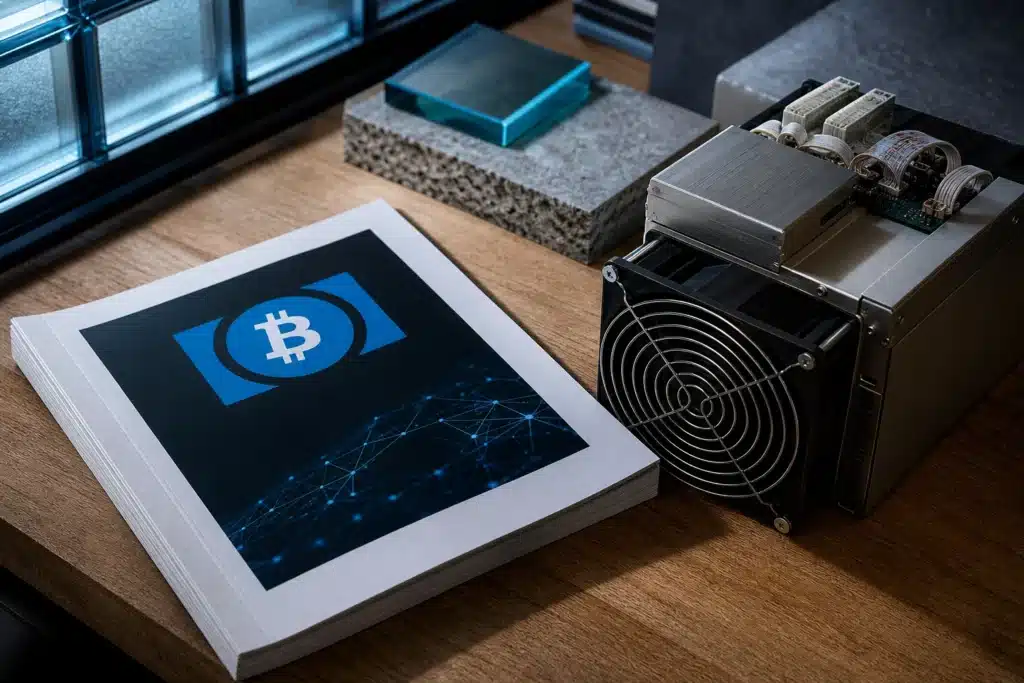
Bitcoin Cash Protocol Documentation says the network uses SHA-256 proof of work and targets a 10-minute block time. Miners, not BCH holders, receive the consensus rewards.
As of November 20, 2026, Selene Explorer listed the BCH block subsidy at 3.125 BCH and estimated that 71,871 blocks remained until the next halving. Those figures describe mining and the protocol schedule. They are not a staking rate, and they don’t establish what a third-party application might distribute.
One example of a separate service is Badgers.cash. The site describes an optional contract where users lock BCH to create BadgerCoins, then unlock the BCH along with earned BadgerCoins and a HoneyNFT. Badgers labels the product “Not audited.” The contract’s described process is not a change to Bitcoin Cash consensus.
How to assess a BCH lockup, step by step
If you’re researching a product promoted as BCH staking, use these checks to identify what it actually does. They explain the mechanics, not a recommendation to deposit funds.
- Check who pays rewards. If a service says it pays staking rewards, find out whether those come from the Bitcoin Cash protocol, a contract, a company, or token issuance. Protocol documentation assigns consensus rewards to miners.
- Read the contract description. Identify what gets locked, how long it stays locked, and what the withdrawal process requires. Don’t assume a product’s “stake” label means the same thing as proof-of-stake validation.
- Check independent review and control. Look for a security audit, its scope, and any disclosed administrator powers. Badgers.cash labels its contract “Not audited” and says an admin can withdraw the contract fee.
- Review every fee. Badgers.cash describes a miner fee plus a 1,000-satoshi contract fee, and stated a 2,000-satoshi total at the time described. Fees and transaction conditions can change, so check the current terms before interacting.
- Confirm the exit route. Understand what you must do to unlock BCH, whether the contract can pause or restrict withdrawals, and what happens if the service or website stops operating. Never share a seed phrase to access a purported reward.

Bitcoin Cash rewards and lockups compared
| Option | What it means | Main consideration |
|---|---|---|
| Native BCH staking | Not a Bitcoin Cash protocol feature; consensus uses proof of work. | BCH holders don’t earn miner rewards just by holding or locking coins. |
| BCH mining | Miners compete to produce blocks and receive consensus rewards. | Mining is distinct from holding BCH and has its own technical and operating requirements. |
| Third-party lockup | A separate contract may lock BCH and issue other assets or items. | Contract, administrator, liquidity, and token risks are separate from network consensus. |
Blockchain activity figures need careful reading, too. For October 22 to November 20, 2026, Selene Explorer reported 376.52 BCH spent by the BadgerStake application. The explorer warns that its application totals include change and contract recycling, so that number is not a measure of BCH staked or yield earned.
Common mistakes and risks
Confusing mining with staking: A BCH block subsidy belongs to the mining system. It doesn’t mean holders receive a share of that subsidy. Likewise, a third-party token distribution isn’t proof that a protocol staking mechanism exists.
Interpreting displayed returns: The research data doesn’t establish a fixed return for BadgerCoins or any other lockup product. Token values can fall, and a contract’s terms or operation may change. A displayed balance is not cash and does not establish a redemption value.
Ignoring contract and service risk: A smart contract can have flaws, and a product marked unaudited has no independent audit assurance indicated by that label. Administrator controls can matter. A failed service, exploit, or withdrawal problem could result in partial or total loss of locked funds.
Assuming an unlock is risk-free: Access to a website or wallet interface doesn’t itself prove funds can be recovered. Confirm the contract and withdrawal steps from reliable documentation. Watch for impersonators and never give anyone your seed phrase.
Overlooking market and rule changes: BCH and any related tokens can be volatile. Rules for crypto products differ by country and may change, so people with tax or legal questions need advice from a qualified professional. On November 14, 2026, Bitcoin Cash Node maintainers committed to implementing CHIP-2025-03 Faster Blocks in a release for proposed mainnet activation on May 15, 2027. The announcement described the change as controversial and said it affects services built around 10-minute blocks; this was a proposed future change, not a current staking feature.

Bitcoin Cash staking FAQ
Can you stake BCH for native Bitcoin Cash rewards?
No. Bitcoin Cash uses proof of work, and its protocol consensus rewards go to miners. Holding BCH or locking it in a separate application doesn’t make a user a protocol staker.
Does this bitcoin cash staking guide include Badgers.cash?
It explains Badgers.cash as an example of a third-party BCH-locking contract, not as native staking. The site says users can lock BCH to create BadgerCoins and later unlock BCH, earned BadgerCoins, and a HoneyNFT. It labels the product “Not audited,” so users should understand that contract risk before deciding whether to interact with it.
What is known about BCH lockup distributions?
The available information does not establish a fixed return. A third-party contract’s token or item distributions can differ from protocol rewards, and their value or availability may change. Users may lose access to some or all locked funds.
Neither buying nor locking BCH removes the risks of volatility, platform failure, or loss.
Sources
- Bitcoin Cash price and market data (CoinGecko)
- Bitcoin Cash Protocol Documentation: Overview (documentation.cash)
- Selene Explorer, Bitcoin Cash dashboard (explorer.selene.cash)
This article is for informational purposes only and does not constitute financial or investment advice. Cryptocurrencies are highly volatile; always do your own research before investing.