







This article was first published on The Bit Journal.
The phrase “Bull Run 2026” has taken on a life of its own in crypto circles, describing an anticipated new boom in digital asset prices. The media often focus on simple timelines (12-18 months after Bitcoin’s 2024 halving) or hype stories as the drivers of bull runs.
Yet both institutional and on-chain data suggest a different case. The driving factors behind 2026’s rally are no longer the things they were once claimed to be; the real drivers are now institutional flows, macro moves, and network foundations.
What People Mean When They Say “Bull Run 2026”
Crypto traders often use “Bull Run 2026” to describe the next multi-year upswing expected after the 2024 Bitcoin halving.
Here is how the narrative goes: “Bitcoin and crypto will soar through 2026, propelled by macro tailwinds and new narratives, and altcoins will surge.”
This view relies on the old four-year cycle myth (halving in 2024 = peak 2026), and recent bullish signals such as ETF inflows for instance.
Frankly, many forecasters predict the next major bull market kicking off in early 2026. Research also shows that in the past, altcoin seasons tend to kick off 230 days after a halving (due Q2 2026).
Investors have predicted Bitcoin rallying to new highs (some targets as high as $100K-$150K) and a migration of capital into altcoins. That story also gets picked up virally on social media and in news items, but it is worth asking: What exactly is the basis for this expectation? Is it just wishful thinking or are there concrete signals?
Prerequisites for An Extensive Altcoin Cycle
Hype alone doesn’t guarantee a broad altcoin rally. Past cycles and expert analyses emphasize certain conditions must be met and these are:
Bitcoin Dominance Falls: In previous altseasons (2017, 2021) Bitcoin’s share of the total crypto market cap fell to the 30-50% range). Analysts contend that a prolonged drop below 55% dominance could trigger a rotation of capital into altcoins. Without that drop at the moment, this means institutional Bitcoin flows and real world asset tokenization diluting alt funds.
A low BTC dominance would therefore be an important factor to monitor.
Macro Liquidity and Policy: Risk assets are sensitive to changes in liquidity and policymakers’ actions. Central banks (Fed, ECB) began cutting rates in late 2025 following rather restrictive policies. Lower interest rates reduces the cost of holding exposure to crypto, and can free up capital into risk-on assets.
Federal Reserve cuts, for instance, in the late-2025, coincided with a 34% Bitcoin run in early 2026. If policy easing continues, the dollar weakens, and/or re-inflation concerns take root anew, that would be a favorable push for crypto broadly.
Institutional Flows Beyond Bitcoin: The new crypto ETF and custody infrastructure allows giant investors to allocate to crypto. For institutions to lead an altcoin cycle, they would have to cast a wider net. This may be through altcoin ETFS or allocations to large-caps.
Clearer regulation (i.e. recent crypto bills, banks can hold crypto) are also lowering barriers, analysts note. If funds start entering altcoins or sector-specific tokens (DeFi, AI, RWA etc), it would support a broader rally.
Network & Adoption Growth: Long-term value in altcoins comes from usage and development. Tech improvements (Ethereum sharding, Layer-2 adoption) and on-chain activity have to back price movement. So far, Ethereum network has matured, transaction costs are low, and Layer-2 chains have accrued tens of billions in TVL.
However, more users, developers and capital (DeFi TVL, NFTs, new dApps) have to continue to grow for a durable rally. Metrics such as active addresses and total value locked should be trending upward for altcoins too, not just Bitcoin.
Stablecoin Liquidity and Retail Flows: An increase in minting of stablecoins and inflow into exchanges precede retail-led rallies. Traders stockpiling USDT/USDC on exchanges could indicate funding for a rally on a wide market scale. Conversely, stagnant stablecoin supply signals warning.
Volatility and Market Sentiment: A few experts point out that falling volatility and softening sentiment are typically precursors to big rallies. In the other sense of the word, quiet markets may be the calm before the storm.
For investors, another issue to watch is if Bitcoin has stabilized after its run (what is referred to as a healthy consolidation) as this could be the cue for money to trickle into alts. However, persistent fear or sudden shocks could spoil the party.
In all, a bullish altcoin season in 2026 would probably need macro liquidity and policy tailwinds; pronounced rotation of capital (lower BTC dominance and big flows into large alt projects); solid network growth; and healthy on-chain indicators (strong stablecoin supply/usage metrics). These prerequisites have to now evolve beyond just the “next cycle” talk.

What’s Happening Now and What’s Missing
As of early 2026, mixed signals abound:
Bitcoin Leads The Way: After reaching $122K in late 2025, Bitcoin pulled back to the $68-70 range by February 2026. This retreat is widely seen as corrective. Institutional demand (ETFs, corporate treasuries) is strong and it keeps Bitcoin dominance high. Bitcoin’s dominance is still about 59-60% and significantly higher than the altseason levels. All in all, the blunt truth is that most altcoins have yet to outperform Bitcoin.
Selective Altcoin Moves, Not Broad Rally: A ‘handful’ of alts have popped but there is a lack of coordination in the overall altcoin market. According to Bloomberg, the median 2025 altcoin surge lasted only 20 days, about half the duration of earlier peaks.
This indicates that retail money is flipping in and out of speculative altcoins very rapidly, rather than supporting a more long-term rally across the board. Many small-cap coins have died off, and the combined market cap of the top 100 altcoins has been trading sideways since mid-2025. In simpler terms, alt season has not “begun” in any substantial manner just yet.
Derivatives and Risk Appetite: Funding rates in futures markets are not highly skewed, suggesting neither greed nor panic. Option markets and liquidity indicators suggest that investors are hedging, rather than seeking beta.
Perpetual futures volumes dropped and options hedges soared in the final months of 2025, according to Glassnode report, pointing towards “risk being repriced rather than abandoned”. In plain terms, traders are apprehensive and concerned about protecting gains, they’re not piling into alts quite yet.
Macro Still Cautious: U.S. inflation is still above target, and global growth remains uneven. Although rates have been lowered by 75bps since December 2025 by the Fed, any additional easing is questionable. The US Dollar had weakened into the end of 2025, but Fed expectations now seem balanced.
Equity markets have been volatile, and geopolitical tensions (trade disputes, conflicts) persist. This means crypto is still being seen partly as a hedge, while also now competing against cash yields and regulatory news. A lot of traders mention the need for more clarity in regulations (ie, altcoin etfs, treasury policies) to get a stronger commitment on crypto in general.
What’s Missing for Altseason: New narratives aside, broad liquidity into alts is still lacking. The majority of capital is parked in either Bitcoin or stablecoins. Notable altseason drivers which are typically marked by a significant BTC dominance loss or large inflow of new retail capital to the market, have not materialized.
For the time being, market breadth is weak, only small corners of “alt hype” have life. Until macro liquidity really takes alts to the sky or structural catalysts like alt ETFs or big tech adoption become activated, it is hard to be overly bullish on an altcoin for anything outside of a temporary pump.
The reality checks are: BTC is stable but the catalyst for a definitive alt cycle remains elusive, BTC dominance still high, institutional preference leans towards Bitcoin/ ETH and retailers show tentative interest only.
On the bright side, volatility has come down and on-chain use (addresses, staking) is healthy which could open up the way for the next leg up.
Altcoin Season Index has to rise above 50 in order to celebrate an actual alt season. For now, most of the altcoin hype remains just that; hype.
Scenario Map: Base Case, Bullish Case, Downside Case
| Scenario | Bitcoin | Altcoins | BTC Dominance | Macro / Drivers |
| Base Case | Moderate uptrend. Bitcoin gradually recovers towards $80-100K by late 2026. Prices move in a series of higher lows with brief pullbacks. | Selective gains. Ethereum and a few large-cap alts see modest rallies (10-50%), but smaller coins remain volatile or flat. No broad altseason. | Remains elevated (55-65%). Bitcoin still absorbs most capital. Alt/BTC ratio stagnant. | Fed cuts partially priced in; liquidity stable but not explosive. Economic growth steady, inflation easing slowly. Regulatory progress (some clarity) but no major new catalysts. |
| Bullish Case | Strong rally. Bitcoin breaks to new highs ($120K+ by mid-2026). Momentum sustained. | Altcoin season ignites. Ethereum and Layer1 tokens surge (50-100%+), followed by capital rotating into mid/small-caps and new narratives. Widespread alt rallies. | Falls significantly (below 50%). Market share shifts to altcoins as traders chase higher returns. | Macro tailwinds. Fed turned fully to easing; global liquidity abundant. US$ weak. Major positive news (e.g. more altcoin ETFs approved, big corporate adoption, or clear regulations). Investor risk appetite high. |
| Downside Case | Weak or stalled. Bitcoin drifts or re-tests $60-70K lows; fails to hold year’s gains. | Altcoins languish or fall. Niche pump-and-dumps in memes continue, but broad market is sideways/down. Overall alt market cap stagnates or dips. | Rises or stays very high (65-70%). Flight-to-safety: capital prefers BTC or cash. Altcoins shed market share. | Macro headwinds. Rates stay high or even rise (sticky inflation); US$ strength returns. Geo/political shocks (e.g. major debt crisis) hit risk assets. Regulators clamp down on crypto, scaring off retail. |
Table: Possible Bull Run 2026 scenarios. These are illustrative; actual markets may blend elements of each scenario.
Practical Signals to Watch Beyond the Hype
To filter out the noise, it is important to pay attention to these measurable signs:
Bitcoin Dominance (BTC. D): Monitor the percentage of total crypto market cap that is Bitcoin. A continued decline beneath 55-60% over the years has correlated with periods of alt seasons. If BTC.D instead rises or stays elevated (as it is now, at about 59%), broad alts will continue to struggle for capital.
Altcoin Season Index (ASI): This index shows the percentage of top altcoins that perform better than BTC. Values above 50 (75 ideally) indicate actual alt dominance. Currently, the ASI is about 25, indicating a Bitcoin season. A confirmation of real rotation into alts would be a move above 50.
Stablecoin Supply and Flows: Keep a close eye on USDT/USDC issuance and exchange inflows. Sudden inflows into stablecoins usually indicates capital ready to be put at work. Binance analysts observe that stablecoin net minting flips green, as an early liquidity signal. If stablecoin balances on exchanges rise, it often preempts a broader market rally.
Derivatives Positioning: Keep an eye on funding rates, open interest and option skews. Growing futures funding rates on alts or big bets in options (rather than protective put buying) can also imply bullish sentiment. According to Glassnode, after the deleveraging in late 2025, markets are now tilting towards options hedging. Returning to long futures or positive funding would be risk-on in that case.
Network and Development Metrics: Strong user and development growth backs these rallies. Check Ethereum and major L1 daily active addresses, DeFi TVL, NFT sales, GitHub commits and similar. Reports note a 41% growth in total value locked for DeFi revival in 2025. If it remains on an upward trend, that would be a signal of healthy demand.
Market Breadth: Look beyond a few hot tokens. An actual altseason shows multiple sectors popping off at the same time, e.g. large-cap coins, ecosystem native tokens, infrastructure tokens and even meme coins surging at once. If only a handful of speculative coins pump, the cycle is tight. One signal of broader alt strength is a stable large-cap ETH/BTC outperformance.
Macro Triggers: Crypto is also frequently moved by key macro events, such as those involving Fed minutes, CPI prints or geopolitical news. In particular, close attention should be paid towards Federal Reserve rate decisions: additional cuts or commentary leaning dovish would likely support risk assets. Also, news about crypto-friendly policies (i.e. bank charters, ETF approval or treasury expanding into ETFs) can be very good catalysts. On the other hand, negative rulings or fiscal crises would dim the outlook.
Media and Narrative Check: Lastly, gauge on-chain sentiment not Hype. The “fear & greed” index, social media activity or exchange net flows may indicate if hype is spiraling. If a buzz for “altcoin top 10 memes to 100x” is noticed without accompanying hard data, stay wary. Compare headlines against the metrics listed above.
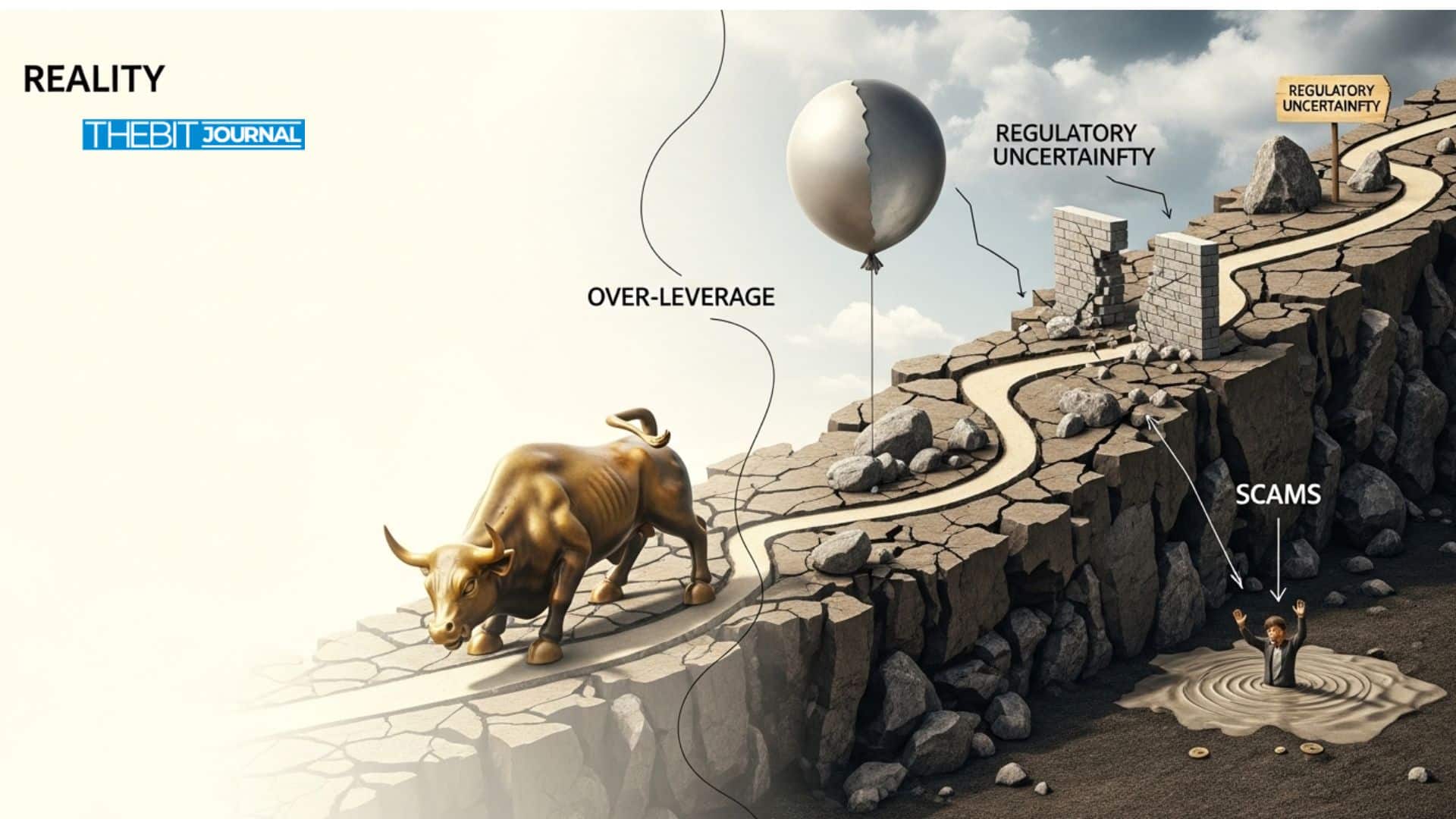
Market Structure Change: Why 2026 Is Not 2021
One of the most important facts about discussions of Bull Run 2026 is how much market structure has since shifted. The 2017 cycle was retail-driven. The 2021 cycle brought institutional participation but was still driven by speculative retail leverage. The 2026 market on the other hand is institutionally-driven, ETF products are regulated and futures markets and structured custody platforms now exist.
This change in ownership is important because institutional capital interacts differently with investments than retail capital. Institutions turn slowly, hold risk tightly and prioritize liquidity and regulatory clarity.
That is why Bitcoin dominance has stayed high even as price recovered. Large allocators are OK with Bitcoin exposure, but for broad altcoin exposure to become possible, the regulatory and liquidity factors needs to be deeper.
That means altcoin cycles in 2026 might be slower, more focused and it would be selective compared to past explosive retail-driven altseasons.
Why Bull Run 2026 May Be Slower and Longer
One of the newest analysis among macro-oriented analysts in the crypto space is that cycles are actually extending. Instead of a very sharp blow off tops followed by brutal crashes, the current structure may build out longer, more gradual expansions. Institutional money tends to scale over time rather than chase vertical price moves.
If this analysis holds, bull run 2026 would not look much like the explosive, meme-driven frenzy of 2021. It may instead grow as a multi-phase growth with pauses and consolidation. This would lower the risk of altcoin spikes and up the chances for measured appreciation in sound projects.
Conclusion
Drawing on these, the Bull Run 2026 so far appears to bear little resemblance in reality to the old narrative. However, the consensus among analysts is that Bitcoin remains the driver and an across-the-board altcoin explosion will require real, measurable shifts.
Key prerequisites include significantly lower Bitcoin dominance, plentiful macro liquidity, and broad institutional flows into altcoin assets. A few new angles like RWA tokenization and prediction markets, for example could result in niche rallies, but traditional altcoins need some capital rotation to wake up.
All sign all cautious; the Altcoin Season Index isn’t pumping, the dominance is on high and the market has seen only short-lived rallies.
So investors should keep an eye on hard data, not just hype. Only when technical and structural markers confirm themselves at the same time can one feel confident over a sustained altcoin cycle.
Glossary
Bull Run: When the cost of various cryptocurrencies trade at an extended period of constant rise in value. “Bull Run 2026” refers to the anticipated major uptrend in 2026.
Altcoin Season: A period during which cryptocurrencies other than Bitcoin (altcoins) are doing significantly better than Bitcoin.
Bitcoin Dominance: How much of the entire cryptocurrency market cap is accounted for by Bitcoin. It represents market mood; if it’s high, it indicates risk-off (capital moving on BTC), if low, it means an era of risk-on (alts absorb capital).
Halving: An event (held every four years) on the Bitcoin network, which reduces its mining rewards by 50 percent.
ETF (Exchange-Traded Fund): A regulated investment product that tracks an asset’s price.
Frequently Asked Questions About Crypto Bull Run 2026
When will the next bull run in crypto arrive?
A high portion of analysts are looking to earlier-to-mid 2026, or around 12-18 months following the Bitcoin halving in April of 2024. The timing remains cloudy and subject to various factors, including macroeconomics and the structure of the market.
What are the conditions for a general altcoin cycle?
A widespread altcoin rally is usually accompanied by a capital rotation out of Bitcoin. Several key things will contribute to this, including significant Bitcoin dominance reduction, ample market liquidity, and strong demand for altcoin projects. The hype must be supported by real-world network use (higher addresses, DeFi TVL etc).
What is ‘Bitcoin dominance’ and why does it matter?
Bitcoin dominance is the portion of the total cryptocurrency market capitalization belonging to Bitcoin. It’s a risk barometer; when dominance is high, investors prefer Bitcoin for its liquidity/safety; When it isn’t, capital tends to flow into altcoins.
Why have recent altcoin rallies gotten shorter
Recent data indicates that retail traders have grown more cautious. Bloomberg notes the average length of time entrusted to altcoin bull runs over 2025 was about 20 days, compared with 40-60 days through earlier cycles. That’s a sign that speculators are taking home their profits more quickly and liquidity is drying up earlier.
References