



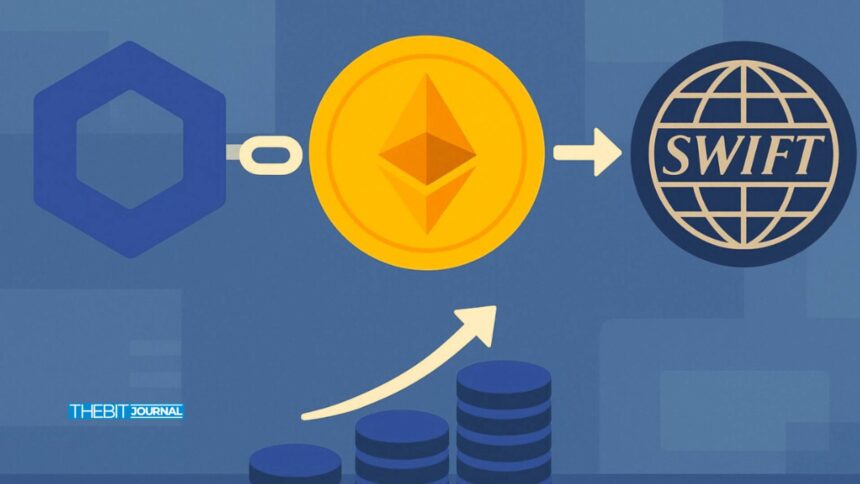

Chainlink and SWIFT have partnered in a notable step that could eventually bridge the gap between traditional finance and blockchain infrastructure.
According to an official blog post by Chainlink (LINK), the new blockchain pilot with UBS would enable financial institutions to use SWIFT messaging and the Chainlink Runtime Environment to manage their digital asset workflows directly from their existing systems using Switch messaging.
Reduce Reliance on Intermediaries
The statement revealed that during a pilot with UBS Asset Management, Chainlink’s Runtime Environment (CRE) effectively processed subscriptions and redemptions for tokenized funds using ISO 20022 messages, the international standard for financial messaging used by SWIFT.
Also read: How the SBI Chainlink Partnership Could Reshape Tokenized Assets
In the real world, the pilot showed how UBS Asset Management could use SWIFT messaging to trigger fund subscriptions and redemptions on-chain. As soon as a SWIFT message is received, the CRE would process it and execute the corresponding instruction using Chainlink’s Digital Transfer Agent.
This would effectively reduce reliance on several intermediaries, including fund administrators, custodians, and transfer agents, who add extra layers of costs to tokenized fund management.
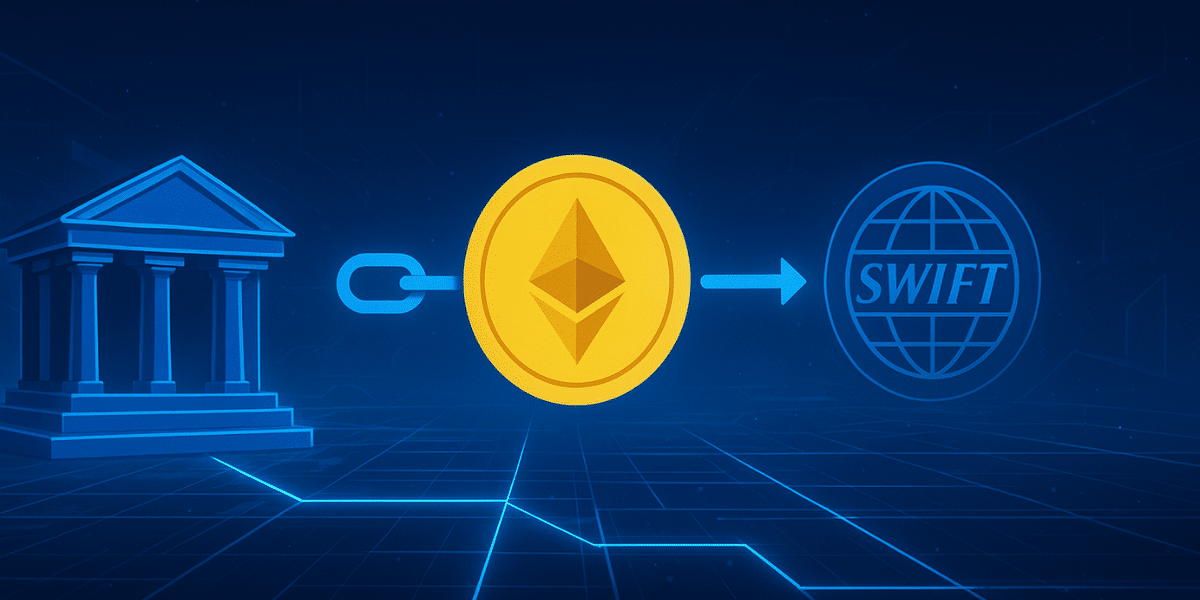
The Chainlink and SWIFT partnership facilitates an interoperability approach that brings blockchain access to financial institutions that are already using the messaging app in their daily operations. Rather than designing a new identity or management system, the Chainlink and SWIFT integration allows existing infrastructure to handle communication, while Chainlink manages tokenized funds onchain execution.
Chainlink and SWIFT Integration Signals Untapped Potential
According to both Chainlink and SWIFT, the development is building on both firms’ earlier tokenized funds trials conducted during Singapore’s Project Guardian in 2024.
The test was led by the Monetary Authority of Singapore, with participation from Chainlink and UBS Tokenize, to test cross-chain fund tokenization. During the trial, tokenized fund workflows were successfully integrated with existing fiat payment systems.
Also read: $132 Trillion Market in Sight? Chainlink, UBS, and DigiFT Test RWA Tokenization
The Chainlink and SWIFT integration signals the untapped potential for legacy financial systems and blockchain infrastructure to complement each other, rather than compete against one another.
By using SWIFT rails, banks will be able to test and adopt tokenized fund transactions without having to overhaul their infrastructure. If successful, the approach would lower the barrier to exploring tokenization by financial institutions handling trillions of dollars in assets.
Conclusion
While the new system is still in its pilot stage, the integration of Chainlink and SWIFT illuminates a pathway towards efficiency in tokenized fund management across the broader traditional finance landscape.
If it succeeds and is widely adopted, the new model is poised to lower costs, expand the role of blockchain in capital markets, and streamline the entire process. The partnership highlights the importance of established networks, such as SWIFT, evolving in line with emerging blockchain solutions, like Chainlink.
Read more about Tokenized funds on Our Website.
Summary
- Chainlink and SWIFT have partnered to enable banks to trigger blockchain transactions using messages without changing existing systems.
- UBS Asset Manager successfully piloted the integration, demonstrating that tokenized fund operations can be managed through SWIFT messaging.
- Chainlink Swift integration uses the Chainlink Runtime Environment (CRE) with Swift’s ISO 20022 messages to trigger on-chain fund subscriptions and redemptions.
- The system is still in the pilot stage, but it demonstrates a path for banks to access blockchain using existing SWIFT rails.
Glossary to Key Terms
Chainlink: A decentralized blockchain oracle network intended to be used to facilitate the transfer of tamper-proof data from off-chain sources to on-chain smart contracts.
Swift: A global cooperative network that facilitates secure and reliable communication for international financial transactions between banks and financial institutions.
Tokenized funds: A tokenized fund, also known as a digital fund or a BTF (blockchain-traded fund), is one in which shares or units in the fund, or a feeder fund for it, are digitally represented and can be traded and recorded on a distributed ledger.
Frequently Asked Questions about Tokenized Funds
What is tokenization finance?
Tokenization is the process of creating digital tokens on a blockchain that represents ownership or rights to actual financial assets, such as stocks, bonds, funds, or real estate.
How does fund tokenization work?
It takes a piece of computer code, a file, and a digital contract on a blockchain to produce a digital token that represents unit ownership in a fund.
What is an example of a tokenized fund?
The best examples are commodity funds that invest in physical commodities like gold, silver, or oil, which can be tokenized, providing easier and more flexible trading options.
What benefits does tokenization offer to investors?
Tokenization makes traditionally illiquid public works assets more easily bought and sold, allowing investors to trade their holdings more readily and access their capital when needed.