




The Coinbase AI scam defense blocked about $4.7 million in attempted transfers to a fake Tesla cryptocurrency giveaway featuring a deepfake Elon Musk, the exchange said on November 17, 2026. Coinbase said it stopped roughly 91% of the money customers tried to send, without human intervention. It has not disclosed how much ultimately reached the scammers.
The fake livestream coincided with a Tesla demonstration the previous month and drew more than 500,000 viewers, according to Coinbase. The case shows how crypto platforms are trying to interrupt scams in which customers authorize transfers themselves, rather than criminals breaking into accounts.
Why it matters
The Coinbase AI scam defense flagged a high-value fraud even though customers were making the transfers themselves. But Coinbase has not provided a full accounting of attempted or recovered funds, and AI screening cannot eliminate irreversible transfers, impersonation or scams hosted outside an exchange.
What we know
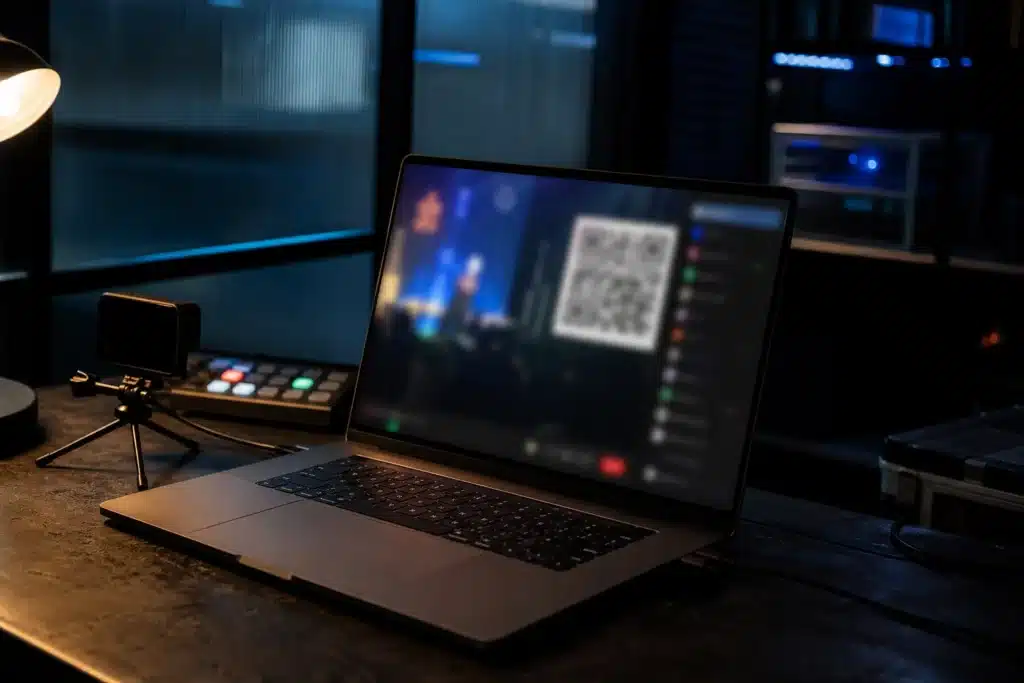
Coinbase said the fraud ran during Tesla’s “flying car” demonstration the previous month. Scammers created a YouTube livestream imitating the event, displayed a deepfake of Elon Musk and showed wallet addresses and a QR code. The stream promised to double cryptocurrency sent to those addresses, according to The Block’s November 18 report.
Hundreds of Coinbase customers tried to send millions of dollars over roughly two hours, the exchange said. More than half a million people watched the stream. Coinbase did not identify the cryptocurrencies involved or give the broadcast’s exact date.
No Coinbase account was hacked, and no password or account credential was stolen, the company said. Customers logged in and approved transfers after being deceived. That distinction matters because protections against unauthorized account access may not catch a customer manipulated into making a payment.
How the Coinbase AI scam defense worked
In its November 17 account, Coinbase described a two-stage process. Machine-learning models score outgoing transfers in real time, checking for signals such as giveaway patterns, brand impersonation and newly created wallet addresses. When a transfer is flagged, a scam-prevention agent reviews the situation and explains the suspected fraud to the customer.
The agent asks questions about the reason for the payment. Coinbase said it scores its replies for confidence before showing them, allowing the system to apply more friction when risk is higher. The agent had not been trained on this particular deepfake giveaway, the company said, but recognized warning signs: a promise to multiply funds, a deadline tied to a live event and an irreversible transfer.
Coinbase described the tool as a way to interrupt a risky payment, not blame the customer. It also plans to expand AI review to more scam types and use AI to label new cases so models can learn from attacks within hours rather than weeks. These are company-reported plans, not proof that every new scam will be detected.
What is still unclear
The $4.7 million and 91% figures do not establish an exact total for attempted transfers or confirmed losses. Bitcoin Magazine noted that dividing the reported amount by the reported percentage implies roughly $5.2 million in attempted transfers, with about $460,000 not blocked. These are estimates based on rounded figures, not totals Coinbase disclosed.
Coinbase has not said how much unblocked money reached the scammers, whether any transfers were recovered or how many customers were affected. It also has not shared alert or false-positive data, or said how many customers continued after receiving warnings. The reported block rate therefore cannot show performance across other scams or normal customer activity.
The exchange said the incident was not a platform breach. Available reporting does not establish whether YouTube removed the stream, who operated it or whether law enforcement identified the people behind the wallet addresses.

How markets and analysts reacted
Coinbase’s announcement was a consumer-protection report, not an earnings update. The available coverage from The Block and Bitcoin Magazine cited no analyst price targets or measured market reaction. The supplied data does not show that the disclosure moved crypto prices.
CoinGecko data at 16:13 UTC on November 18 showed bitcoin at $62,786, down 2.16% over 24 hours and 14.08% over seven days. Ether was $1,762.46, down 1.30% over 24 hours and 13.85% over seven days. These figures are a market snapshot, not a move attributed to Coinbase’s announcement.
The Crypto Fear & Greed Index stood at 11, classified as “Extreme Fear,” on November 18, according to Alternative.me. The index measures market sentiment; it does not identify the cause of market conditions or predict prices.

What it means for investors
The incident highlights a crypto security weakness: an account holder can authorize a transfer after being deceived. A platform warning may add friction, but it cannot ensure that a customer will spot a fake broadcast or recover funds after sending them.
Deepfakes can make impersonation tactics easier to stage at scale. The Associated Press reported on September 2, 2026, that Americans reported $15.9 billion in scam losses to the Federal Trade Commission in 2025, up 25% from 2024. It cited AI and cryptocurrency as factors in scams’ growing sophistication, but those figures are not losses from this giveaway.
Coinbase has previously described working with law-enforcement and industry partners on scam networks, including a London operation in October 2026. A promise to double crypto is a warning sign, whether it appears in a video, livestream or message.
Coinbase has not published enough performance data to assess its AI system’s accuracy. Automated tools can misread legitimate transfers or miss new fraud patterns. Crypto prices can also be volatile, as the market snapshot above illustrates. A security feature does not remove the risk of scams or irreversible transfers.
Bottom line
Coinbase says its AI defense stopped about $4.7 million, or roughly 91% of attempted transfer value, from going to a deepfake Musk giveaway. The company has not confirmed the total customers tried to send or how much scammers received. The case shows a reported intervention, not a complete accounting of losses or proof that AI can prevent crypto fraud.
Sources
- Consumer Protection Tuesday: How we leveraged AI to stop a popular Tesla Scam (www.coinbase.com)
- Coinbase Says Its AI Blocked $4.7 Million in Deepfake Elon Musk Scam (Bitcoin Magazine)
- Coinbase AI defense blocks $4.7 million from being sent to deepfake Elon Musk scam (The Block)
This article is for informational purposes only and does not constitute financial or investment advice. Cryptocurrencies are highly volatile; always do your own research before investing.