





Global governments are emerging as some of the largest holders of Bitcoin, with state-controlled Bitcoin holdings collectively amounting to between 463,000 and 527,000 BTC, representing 2.3% to 2.5% of the total circulating supply.
This number represents a minor dip when compared to the 529,591 BTC a year ago in July 2024 but shines light once again on the increasing involvement of sovereign states in the crypto market. At current prices, with Bitcoin trading at $104,330.90 per coin, the value of government-controlled reserves reaches well into the hundreds of billions.
Government Seizures Boost U.S. Bitcoin Holdings

The United States is still among the major holders of Bitcoin; Bitcoin holdings in the government stand at 198,012 units (worth 22.8 billion dollars). A lot of this inventory is due to big law enforcement operations, such as the Silk Road and the Bitfinex hack.
Cryptocurrencies recovered as a result of cybercrime investigations are normally sent to the Treasury or to the Assets Forfeiture Fund, an official Bitcoin holdings.
Although owning cryptocurrencies such as Bitcoin privately is prohibited, China may control large quantities of Bitcoin holdings of approximately 190,000 (equivalent to nearly $17.6 billion), which were recovered during the 2019 PlusToken Ponzi scheme.
The government also confiscated the coins as part of its crackdown, although it continues to be suggested that Beijing is illegally mining or buying Bitcoin as well to increase its reserves.
United Kingdom Strengthens Bitcoin Holdings Rapidly
The United Arab Emirates is also suspected to have 420,000 BTC, with a market value of $488,3 billion. This would put the UAE ahead of the U.S. and China in terms of its Bitcoin holdings. The allegations were made credible by indirect confirmation through former Binance CEO Changpeng Zhao, but figures are unconfirmed.
The United Kingdom has massively surged its Bitcoin holdings to 61,245 BTC (worth over 7.05 billion dollars), with most of the assets seized during money laundering and financial crime practices.
In the meantime, Finland has 90 BTC (approximately 10 million) and incorporates what is found in its illegitimate source into their national reserves, securing their small investment in BTC as a part of a far-thinking digital future.
Ukraine’s BTC Holdings Strengthened by War Donations
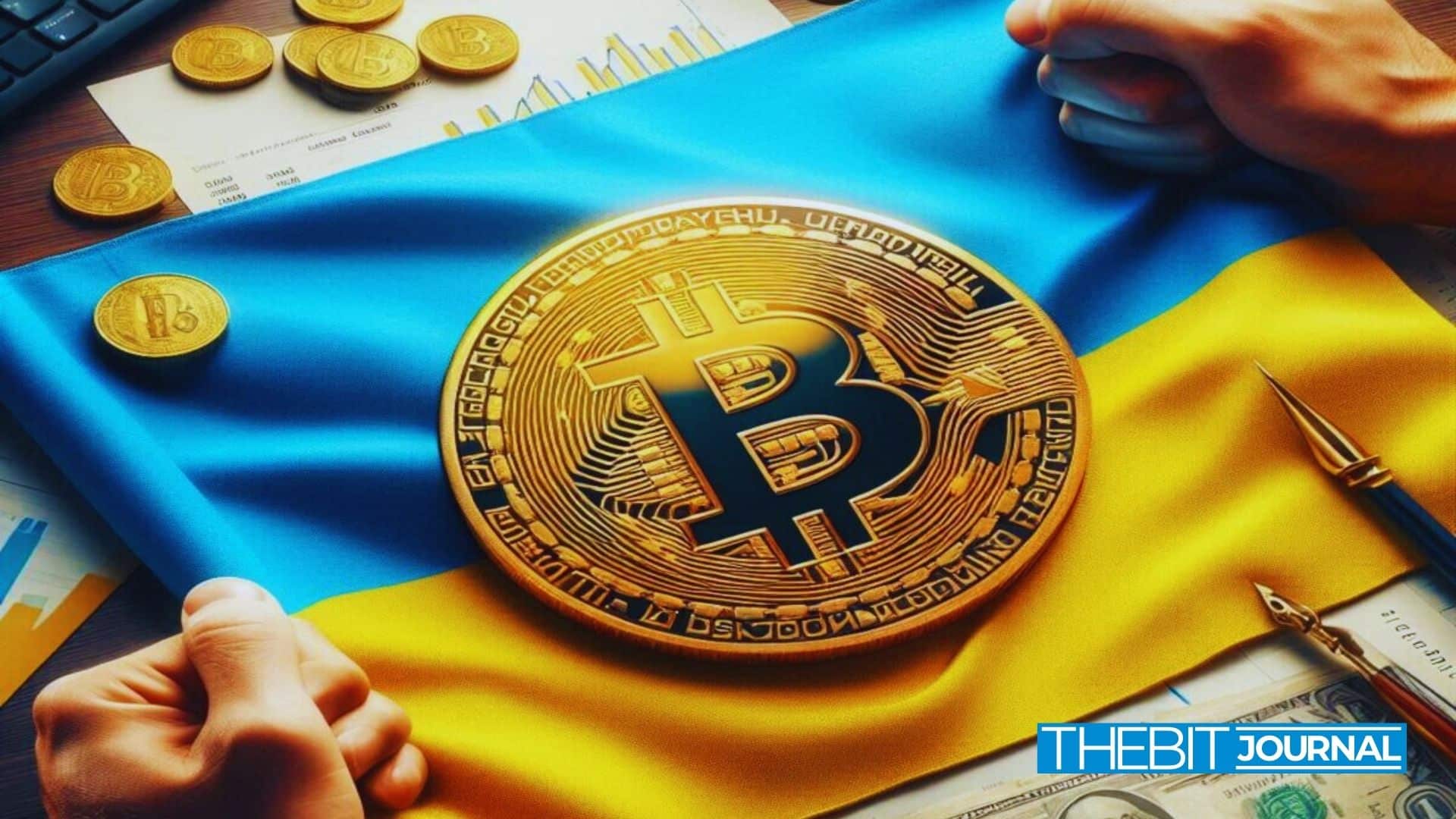
Ukraine, one of the countries with the highest crypto adoption rates in the world, now possesses about 46,351 BTC (approximately 5.33 billion dollars). Much of this reserve was due to donation wallets that were created during the war, as well as the efforts of countries to formally incorporate Bitcoin into their reserves.
Bhutan, El Salvador, North Korea, and Venezuela are the smaller yet significant state owners of Bitcoin. Bhutan has stocked up 11,286 BTC (around $1.3 billion) with hydropower-driven mining activity, and El Salvador, the first nation to have converted Bitcoin to legal tender status, possesses 6,255 BTC (about 720.9 million) acquired through both purchasing and geothermal mining.
North Korea and Venezuela’s Bitcoin Reserves
On the same note, North Korea is connected to 6,255 BTC (approximately $720.9 million), which is believed to have been attained through cyber thefts, including the $1.5 billion Bubit heist.
Venezuela, which has been undergoing significant economic hardships, has a small reserve of 240 BTC (roughly 27.6 million dollars) and has tried to create its own state-issued cryptocurrency, the Petro.
In the continued seizure, mining and purchase of Bitcoin by governments, their Bitcoin holding are redefining financial strategies. Proposals have even been made of using gold reserves to make expansions to such state-controlled digital assets.
The analysts mention that Bitcoin holding on a sovereign level is now a permanent part of international finance, meaning that Bitcoin is not only a decentralized currency anymore; it is also a geopolitical game piece.
Conclusion
Based on the latest research BTC holdings across governments have become a cornerstone of sovereign financial strategies, blending law enforcement seizures, mining innovation, and direct purchases. From the U.S. to Bhutan, nations now treat Bitcoin as both a digital reserve and a geopolitical tool, reshaping global finance in 2025.
Stay up to date with expert analysis and price predictions by visiting our crypto news platform.
Follow us on Twitter and LinkedIn, and join our Telegram channel to be instantly informed about breaking news!
Summary
Global governments collectively hold between 463,000 and 527,000 BTC, valued at over $54 billion, accounting for up to 2.5% of supply. The U.S. and China take reserves by seizure, Ukraine, Bhutan, and El Salvador increase by way of donations and by mining. There are also rumors of the UAE being one of the greatest holders, but this is not confirmed. Sovereign Bitcoin is remaking financial planning in such a way as to go beyond the enforcement-motivated purchases and the mining of green power, and all these lead to the increasing importance of Bitcoin as a geopolitical tool.
FAQs
1. What are government Bitcoin holdings?
Governments hold 463,000–527,000 BTC (2.3%–2.5% of total supply) in 2025.
2. How do governments acquire Bitcoin?
Through seizures, mining, and direct purchases.
3. Which countries hold the most Bitcoin?
U.S., China, UAE, UK, Ukraine, Bhutan, El Salvador lead in holdings.
4. Why are Bitcoin holdings important?
They serve as a strategic financial and geopolitical asset.
Glossary of Key Terms
Bitcoin Holdings: Total Bitcoin owned by a person, company, or government.
Mining: Creating new Bitcoin by validating transactions.
Hydropower Mining: Using hydroelectric power for Bitcoin mining.
Geothermal Mining: Using geothermal energy to mine Bitcoin.
Crypto Seizures: Government capture of crypto from crimes.
PlusToken Ponzi Scheme: 2019 Chinese crypto scam with seized BTC.
Bitfinex Hack: 2016 Bitcoin theft from Bitfinex exchange.
Bubit Hack: North Korea-linked crypto theft worth billions.
Reference