
NFTs reclaim the spotlight in July
This July, the NFT market made a remarkable comeback to importance, with trading volume rising to $530 million, a staggering 96% rise month on month. This increase is more than just a headline statistic; it indicates a shift in market momentum that is capturing the attention of the entire crypto community.
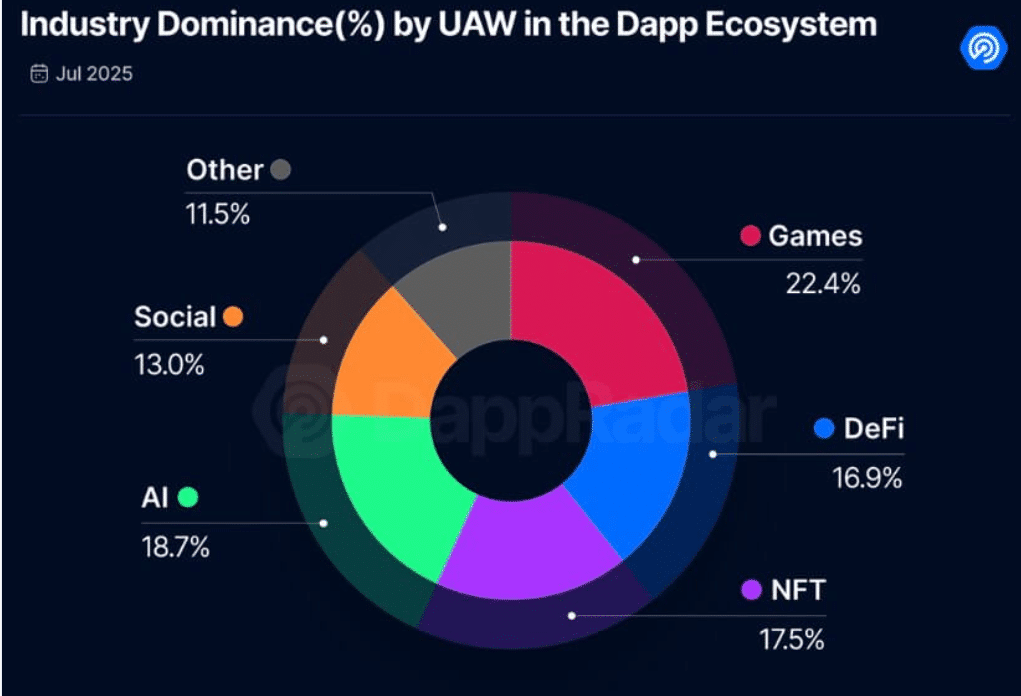
For the first time in months, NFT trade volume outpaced DeFi user activity, refocusing attention on digital collectibles, creative platforms, and tokenized ownership.
The top Google-searchable keyword “NFT market comeback” is now surging as investors, creators, and analysts return to the industry with renewed hope. The comeback underscores deeper structural developments in the ecosystem, reaffirming NFTs’ potential as more than a speculative asset class.
Trading volume rises as fewer NFTs change hands
July’s outstanding figures were not just the result of increased transaction volume. In fact, total transaction counts fell slightly, by around 4% to 5 million NFTs traded, but the average sale price doubled, rising from $52 in June to $105. This data implies that higher-value assets are regaining momentum, implying that institutional investors and serious collectors may be reentering the market.
“July showed us that the NFT market isn’t dead—it’s maturing,” stated a crypto market expert. “We’re witnessing a quality-over-quantity shift, and that’s a healthy sign of progress.”
The NFT market’s revival is more than just a return to previous enthusiasm; it’s a shift toward a more stable and utility-driven ecosystem.
Blur, OpenSea, and the Rise of Zora
On the Ethereum network, NFT exchange Blur emerged as the primary volume generator, representing more than 80% of all traded value. This success can be attributed to its popularity among professional traders, as well as its Blend lending mechanism. OpenSea, on the other side, continues to dominate in active daily users, thanks to multichain listings and a larger creative ecosystem.
Meanwhile, platforms like Zora, built on Coinbase-backed Base—are gaining popularity among creators due to lower minting costs and increased interest in its native ZORA coin. Zora’s popularity reflects a bigger trend: producers are searching for low-cost, adaptable tools to launch their collections with less friction.
The NFT market’s recovery is therefore multifaceted, driven by both high-end speculative transactions and grassroots creative empowerment.
NFTs Flip DeFi in User Activity
Perhaps the most startling development of the month is that NFT platforms have surpassed DeFi protocols in terms of user engagement. While DeFi remains strong—with over $259 billion in total value locked—NFT markets are now generating more wallet engagements, indicating increased user engagement.
Interestingly, this transition comes while tokenized real-world assets such as equities and bonds gain traction in DeFi. Over 90,000 wallets engaged with tokenized stock protocols in July alone, representing a 220% increase. However, this has not halted NFTs’ surge in user traffic, demonstrating that both sectors may flourish independently.
The NFT market’s recovery demonstrates that user demand is not limited to financial tools alone. Cultural ownership, creative assets, and digital identity are becoming important in Web3 adoption.
Conclusion: A New Phase of NFTs
The NFT market is no longer chasing hype; instead, it is establishing itself as a source of actual wealth. The $530 million spike in July implies not only a recovery, but also a rebirth. With average prices tripling, user activity skyrocketing, and novel platforms on the rise, the NFT market’s resurgence is upending predictions for how digital ownership will grow in this cycle.
As creator-friendly ecosystems expand and big platforms embrace professional trading technology, NFTs are carving out a long-term place in the Web3 economy, one based on culture, utility, and greater reach.
FAQs
Why did NFT trading volume surge in July 2025?
The surge was driven by high-value trades, renewed interest from institutional players, and increased activity on professional NFT platforms.
How did NFTs surpass DeFi in user activity?
NFT platforms saw greater wallet engagement, while DeFi focused more on high-value operations with fewer participants.
Is this NFT market comeback sustainable?
Analysts believe so, citing rising utility, improved platform tools, and a maturing collector base as long-term drivers.
What platforms are leading the NFT resurgence?
Blur led in trading volume, OpenSea led in daily users, and creator-friendly platforms like Zora are gaining adoption.
Glossary
NFT (Non-Fungible Token): A unique digital asset representing ownership of a specific item, artwork, or content on the blockchain.
Trading Volume: The total dollar value of all NFT transactions within a specific time period.
DeFi (Decentralized Finance): Blockchain-based financial services without centralized intermediaries.
Wallet Interactions: The number of blockchain wallets engaging with smart contracts or protocols.
Tokenized Assets: Real-world assets represented digitally on a blockchain, such as stocks or real estate.
TVL (Total Value Locked): The total value of assets locked in DeFi platforms, used to measure ecosystem growth.
Sources/References