












This article was first published on The Bit Journal.
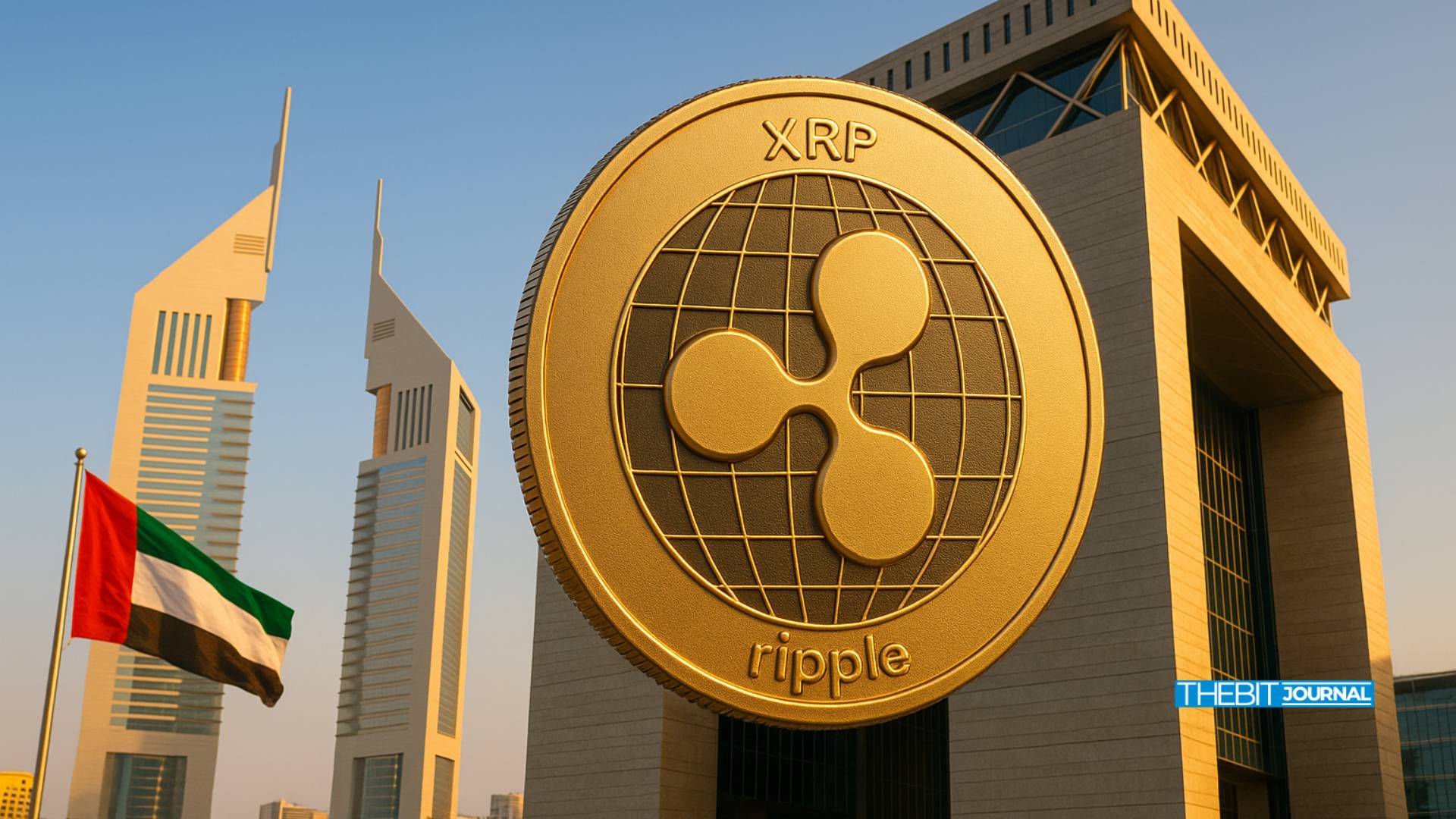
Abu Dhabi has sent a clear signal about the future of digital money by welcoming a regulated dollar stablecoin into its flagship financial centre. The move shows how fast compliant crypto assets are becoming part of everyday market infrastructure, with Ripple RLUSD now central to that shift in the region.
For global banks, payment firms, and fintech platforms, Ripple RLUSD already looks more like financial plumbing than a speculative trade. A formal green light from one of the world’s most closely supervised markets gives institutions a way to hold and move dollars on chain while staying inside a familiar rule book.
FSRA recognition inside Abu Dhabi Global Market
Abu Dhabi Global Market is a ring-fenced financial centre that hosts major banks, asset managers, and trading firms. Its Financial Services Regulatory Authority has recognised the issuer’s USD backed stablecoin as an Accepted Fiat Referenced Token for use inside the ADGM framework, after reviewing the reserve structure, risk controls, and governance behind Ripple RLUSD.
Authorised firms in ADGM can use Ripple RLUSD for regulated activities such as trading, payments, lending, and collateral, as long as they meet existing requirements on capital, risk, and conduct. Instead of building bespoke solutions, institutions can plug a recognised dollar token into settlement, treasury, and market-making workflows, which can lower friction for cross-border flows that link the Gulf to Africa, Europe, and Asia.
Dual oversight builds confidence in reserves
Outside the UAE, Ripple RLUSD sits under a Limited Purpose Trust Company Charter from the New York Department of Financial Services. That framework requires 1:1 backing with high quality liquid assets, segregation of reserves, regular third party attestations, and clear redemption rights between token form and traditional dollars.
Combining New York oversight with approval in Abu Dhabi places Ripple RLUSD in a small group of stablecoins that hold meaningful recognition in both Western and Gulf regulatory systems. Circulating supply has climbed beyond 1.2 billion dollars since the late 2024 launch, driven by institutional demand for programmable dollar liquidity without hidden balance sheet risks.
From slide deck to live payment rails
Banks, brokers, and payment companies can now weave Ripple RLUSD into real products instead of slide presentations. A firm operating in ADGM can hold the token as collateral, use it for margining, or route remittances through it while keeping activity inside a tightly supervised environment, particularly in corridors where traditional correspondent banking remains slow or costly.

For corporate treasurers and market makers, holding Ripple RLUSD alongside cash balances can support more flexible liquidity management. The token moves quickly over blockchain rails but is anchored to defined rule sets in both the United States and the Gulf, a combination that unregulated stablecoins struggle to match as boards focus more on operational and regulatory risk in digital asset strategies.
Conclusion
The recognition of a regulated dollar stablecoin inside Abu Dhabi’s leading financial centre marks another careful step in the evolution of digital money. Authorities in the UAE are choosing to bring serious issuers inside the perimeter and hold them to high standards rather than push innovation offshore, and, if the model proves resilient in day to day use, Ripple RLUSD could help shape how future stablecoins bridge the gap between traditional finance and token based infrastructure.
Frequently asked questions
What did regulators in Abu Dhabi approve in relation to the stablecoin?
They recognised a USD-backed token as an Accepted Fiat Referenced Token, allowing licensed firms in Abu Dhabi Global Market to use it for regulated financial activities.
How is the reserve backing of the stablecoin structured for institutional users?
The token is issued under a New York trust charter that requires full backing by high quality liquid assets and independent attestations.
Why does this development matter for banks and payment companies?
It provides a way to move dollars on chain with clear legal oversight in both the United States and the Gulf region, which can reduce settlement times and operational risk.
Glossary of key terms
Abu Dhabi Global Market (ADGM)
An international financial centre in the United Arab Emirates with its own courts and regulatory framework for financial institutions.
Financial Services Regulatory Authority (FSRA)
The independent regulator that supervises financial services in Abu Dhabi Global Market, including digital asset activities and fiat-referenced tokens.
Fiat referenced token
A digital asset that aims to maintain a stable value by referencing a fiat currency such as the US dollar and is backed by reserves under set rules.
Stablecoin
A crypto asset that seeks to maintain price stability by pegging its value to an external reference such as fiat currency or a basket of assets.
References
The price predictions and financial analysis presented on this website are for informational purposes only and do not constitute financial, investment, or trading advice. While we strive to provide accurate and up-to-date information, the volatile nature of cryptocurrency markets means that prices can fluctuate significantly and unpredictably.
You should conduct your own research and consult with a qualified financial advisor before making any investment decisions. The Bit Journal does not guarantee the accuracy, completeness, or reliability of any information provided in the price predictions, and we will not be held liable for any losses incurred as a result of relying on this information.
Investing in cryptocurrencies carries risks, including the risk of significant losses. Always invest responsibly and within your means.
For advertising inquiries, please email . [email protected] or Telegram