


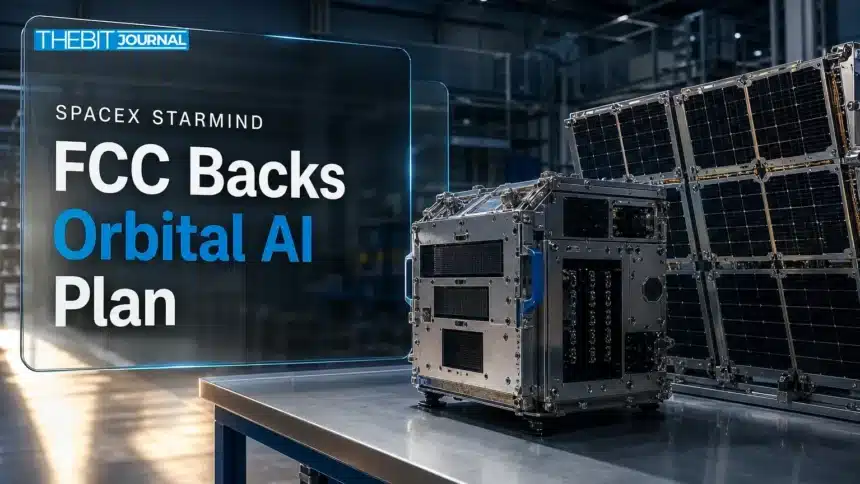

The FCC authorized SpaceX’s Starmind constellation, according to Decrypt’s November 25 report. The approval backs Elon Musk’s plan for a solar-powered Starmind constellation that would move AI computing into orbit, with the stated aim of easing pressure on strained power grids on Earth.
- The FCC authorized SpaceX’s Starmind constellation, Decrypt reported.
- The proposed orbital system is described as solar-powered and intended for AI computing.
- Decrypt says the plan aims to reduce reliance on increasingly strained terrestrial electricity grids.
- The report provided here does not specify the constellation’s size, launch schedule, computing capacity or approval conditions.
- Available crypto market data shows modest daily gains for Bitcoin and Ethereum, but no evidence ties those moves to the FCC decision.
Timeline of the FCC decision
- November 25, 2026, report date: Decrypt reported that the FCC authorized SpaceX’s Starmind constellation. The report frames the authorization as regulatory backing for Musk’s plan to put AI computing infrastructure in orbit.
- November 25, 2026, 18:18 UTC: Decrypt published its report on the approval, describing the constellation as solar-powered and saying the plan aims to reduce dependence on increasingly strained power grids.
Background: why put AI computing in orbit?
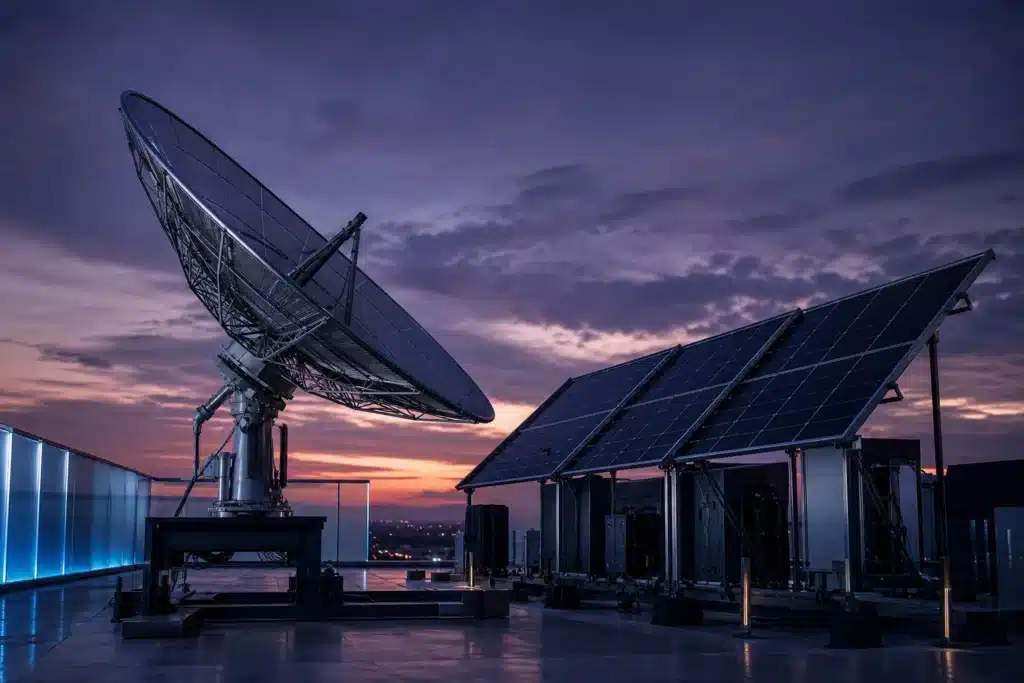
Decrypt reported that SpaceX’s stated rationale is to reduce the AI industry’s dependence on power grids that are becoming increasingly strained. The report describes a solar-powered constellation intended to move AI computing into orbit, with the aim of easing pressure on those terrestrial grids.
The report says the constellation is intended for AI computing in orbit, but does not specify its computing capacity, how it would communicate with users or what ground infrastructure it would require. The supplied account also gives no detail on how the system would handle data transfer, heat management or equipment maintenance. These remain unanswered questions, not confirmed features of the authorized plan.
Regulatory authorization does not by itself demonstrate that a system is built, launched or commercially operational. The available report also does not state the number of satellites covered or outline the approval’s technical limits.
Market context
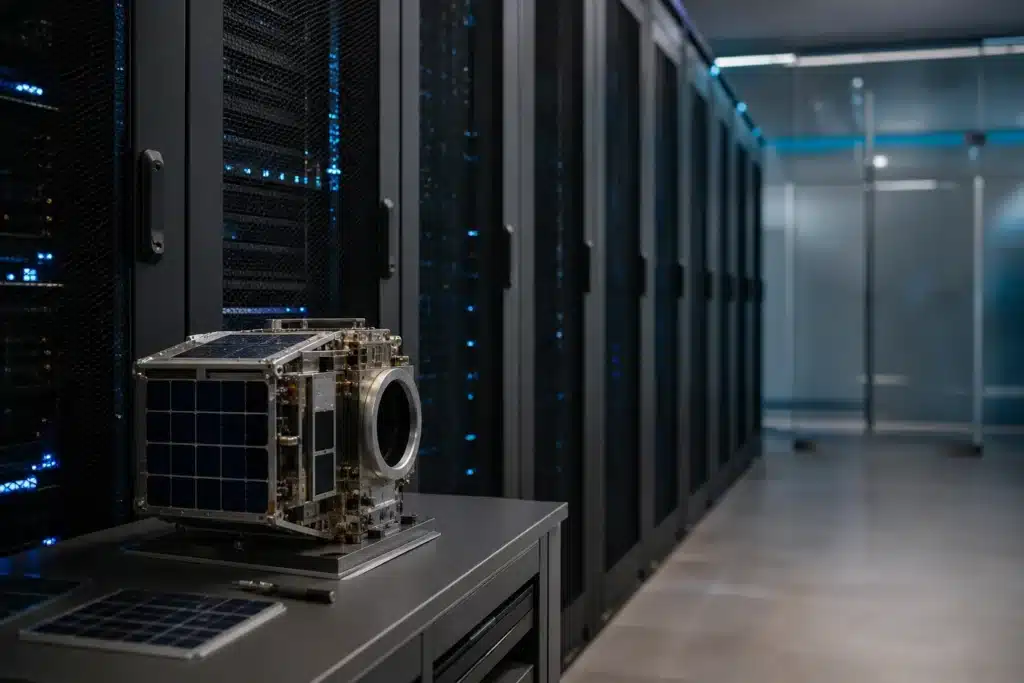
Decrypt presented the FCC authorization as support for Musk’s effort to take AI computing into orbit. The rationale it cited is reducing dependence on increasingly strained power grids. The supplied report text does not give the authorization’s terms or estimates of the project’s performance, so those details cannot be assessed from the information provided.
The supplied report does not discuss a crypto-market reaction to the news. At 22:13 UTC on November 25, CoinGecko data showed Bitcoin at $60,045, up 0.26% over 24 hours, and Ethereum at $1,682.06, up 0.07%. Both were down over the previous 30 days. Those figures are a market snapshot, not evidence that the FCC decision moved prices.
| Asset | Price (USD) | 24-hour change | 30-day change |
|---|---|---|---|
| Bitcoin (BTC) | $60,045 | +0.26% | -24.48% |
| Ethereum (ETH) | $1,682.06 | +0.07% | -26.82% |
CoinGecko’s figures are timestamped 22:13 UTC on November 25, 2026. The Crypto Fear & Greed Index was 13, classified as “Extreme Fear,” on November 25, according to Alternative.me.
What remains unknown about the orbital plan
The report provided does not specify the constellation’s size, launch schedule, computing capacity or approval conditions. It also does not explain how the computing system would operate. Those details would be needed to assess the scope and practical status of the authorized plan.
The project’s stated aim is not evidence of a demonstrated result. Decrypt describes the constellation as solar-powered and says the plan aims to reduce dependence on strained power grids, but the supplied report does not quantify energy output, costs, performance or how much AI computing could take place in orbit. The available information therefore does not establish whether the plan will become an operating service.
For now, the authorization is a regulatory development, not proof that orbital AI computing is operating or ready at scale. The supplied report leaves the system’s capacity, launch timing and approval conditions unspecified. The authorization alone does not resolve those questions.
FAQ
What is SpaceX’s orbital AI plan?
The plan is SpaceX’s proposed solar-powered Starmind constellation, which Decrypt says is intended for AI computing in orbit. The available report does not give technical specifications.
What did the FCC approve for SpaceX?
Decrypt reported on November 25, 2026, that the FCC authorized SpaceX’s Starmind constellation. The report does not detail the authorization’s scope, satellite count or conditions.
Will SpaceX AI data centers reduce electricity use on Earth?
Reducing dependence on strained terrestrial grids is the project’s stated aim, as reported by Decrypt. The supplied information does not quantify any expected reduction or confirm that the system is operational.
Sources
This article is for informational purposes only and does not constitute financial or investment advice. Cryptocurrencies are highly volatile; always do your own research before investing.