


Last updated: November 22, 2026
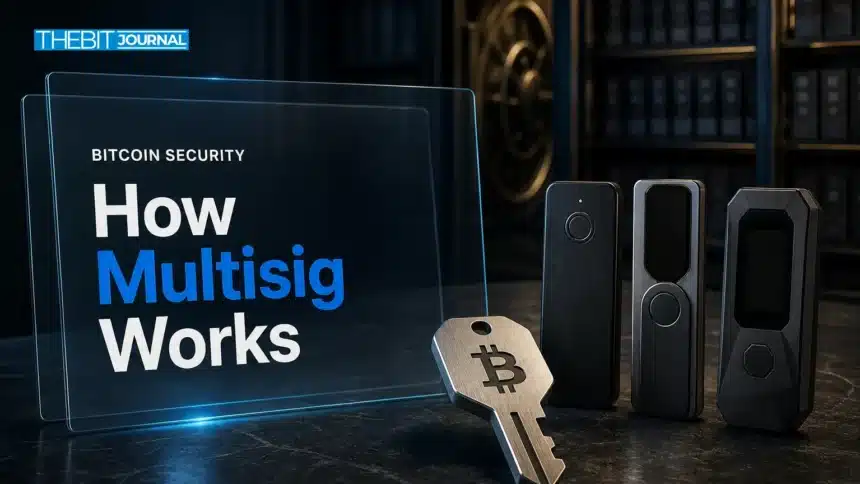
A bitcoin multisig wallet requires more than one key to authorize a transaction. That can prevent one lost device from cutting off access, but signers must agree on the wallet rules, verify addresses and preserve recovery information.
Key Takeaways
- A 2-of-3 wallet needs two of its three keys to spend.
- Keep private keys private, and compare wallet details and addresses across signers.
- Test recovery and signing before relying on the wallet for significant funds.
- Multisig reduces some single-key risks but adds setup, backup and coordination risks.
What a bitcoin multisig wallet does
Multisig, short for multi-signature, sets how many private keys must approve a Bitcoin transaction. In a 2-of-3 arrangement, three keys are associated with the wallet, and any two can authorize a spend. One unavailable key can be tolerated, but losing or exposing enough keys can still put funds at risk.
Wallet software combines public information from signers to generate addresses and build transactions. Each signer uses its private key to approve a transaction. The key itself should not be shared or entered on an unfamiliar website. Multisig can limit the impact of one compromised device, but it cannot prevent a signer from approving a malicious transaction.
Thresholds involve trade-offs. A 2-of-2 wallet requires both signers for every spend, while 2-of-3 can tolerate one unavailable signer. Bitcoin Core’s tutorial demonstrates 2-of-3 on Signet, using three signer wallets and a separate watch-only wallet that imports the multisig descriptor.
Plan the signers and recovery rules
Decide how many signers there will be, how many approvals are needed, and where devices and backups will live. Consider who can access each signer and whether the remaining signers can meet the threshold if a device fails. Don’t store every device and backup together, since fire, theft or unauthorized access could affect them all.
Sparrow’s best-practices guidance recommends at least 2-of-3, hardware wallets from different vendors, and storing devices and backups in different locations. These are recommendations, not guarantees. Different devices may reduce reliance on one manufacturer, but can make setup and signing less uniform.
Each signer creates a private key or recovery seed on its own device. Signers then exchange public wallet information, commonly an extended public key, or xpub. An xpub cannot spend funds, but it can reveal associated addresses and transaction history, so treat it as privacy-sensitive. Never send a seed phrase to another signer.
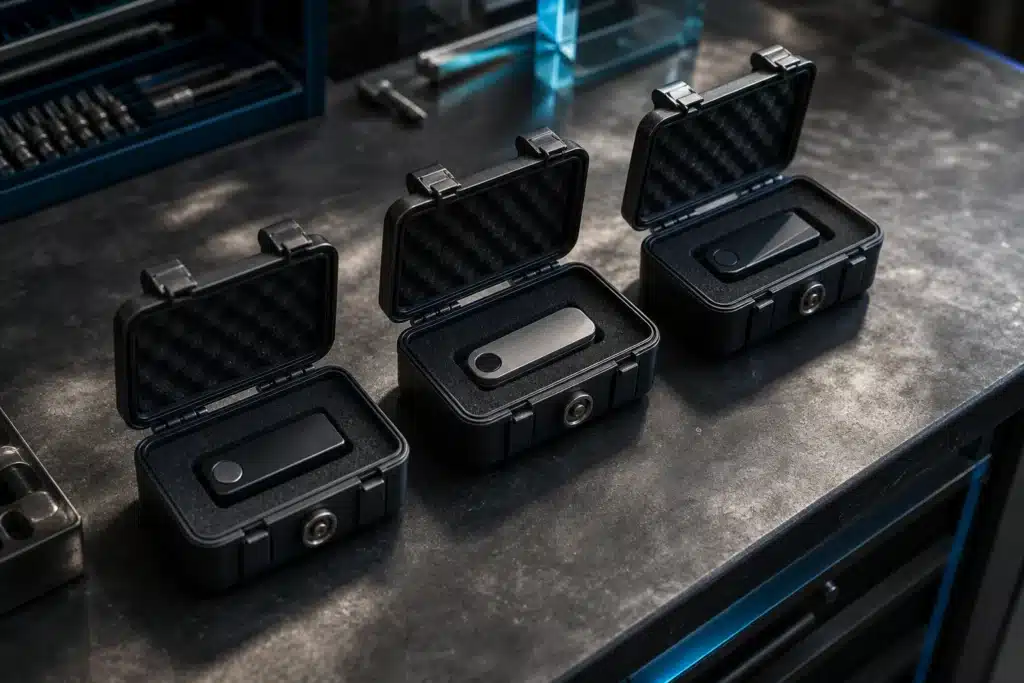
Build the wallet and verify its policy
bitcoin multisig wallet setup details to confirm
Use wallet software that supports the chosen devices and threshold. Follow its documented process to add each signer’s public information, choose the wallet script type and create the wallet. The Sparrow setup example reviewed in October 2026 combines three hardware-wallet xpubs in a 2-of-3 Native SegWit wallet using P2WSH. Options can change, so check current documentation.
The wallet policy defines how addresses and spending requirements are derived. Bitcoin’s BIP 383 specifies the multi(k...) and sortedmulti(k...) descriptor forms. The number k is the required signature count and cannot exceed the number of listed keys. With sortedmulti, public keys are sorted lexicographically. See the BIP 383 descriptor specification for formal definitions.
Compare the policy and wallet details in each participant’s software before using the wallet. BIP 129, the Bitcoin Secure Multisig Setup proposal, says signers should confirm the same first address and policy parameters to reduce the risk of a tampered configuration. Electrum’s documentation also advises checking that cosigners derive the same addresses. If details differ, pause and investigate.

Test receiving, signing and recovery
Generate a receiving address and, where supported, verify the full address on a hardware-wallet display. Malware can replace a copied address, so compare the wallet’s address with the one on the signing device before sharing it. Send a small test payment and confirm the wallet detects it.
A test payment doesn’t prove that backups can recover the wallet. BitBox’s multisig guidance warns about this gap. Test recovery using the wallet’s documented method in a safe environment before depending on it. Keep recovery material offline and protect it from theft, damage and unauthorized viewing.
To spend, create a transaction and inspect the recipient, amount, fee and change output on signing devices. Collect enough signatures to meet the threshold. Bitcoin Core’s tutorial uses PSBTs, or Partially Signed Bitcoin Transactions: signer wallets process the PSBT, signatures are combined, and the finalized transaction is broadcast. Its example uses Signet, a Bitcoin test network, not spendable bitcoin.
A bitcoin multisig wallet can be hard to operate if signers are unavailable, wallet details are lost or software support changes. Back up the descriptor and recovery instructions securely. Authorized participants should know how to coordinate a spend without exposing private keys.

Risks and maintenance to understand
Multisig isn’t a universal security upgrade. A wrong threshold, incorrect policy or incomplete backup can lock funds. A compromised signer, malicious wallet software or approval of the wrong recipient can lead to theft. Exchange custody, phishing and malware risks also remain when using services or an infected computer.
Review recovery procedures and software compatibility periodically, especially after replacing a device. Software or device-support changes may affect how signers create or import the same policy. Keep clear recovery records, but don’t publish descriptors or xpubs: they can expose financial privacy, even though they don’t authorize spending.
Frequently asked questions
Is a 2-of-3 bitcoin multisig wallet safer than a single-key wallet?
It can reduce dependence on one key, but safety depends on correct setup, secure signers and complete recovery information. It also adds coordination and configuration risks that a single-key wallet doesn’t have.
Can one signer spend funds from a 2-of-3 wallet?
No. The policy requires two valid signatures from the three listed keys, assuming the wallet is configured correctly.
Does a bitcoin multisig wallet need three hardware wallets?
Not necessarily. A 2-of-3 setup has three keys, but supported devices and software depend on the chosen setup. Sparrow’s example uses three hardware-wallet xpubs; check current documentation for compatible options.
Should I put funds in immediately after setup?
First verify that signers agree on wallet details and addresses, test a small receipt and confirm the recovery process. A small payment doesn’t prove backups work, and testing can’t remove the risks of theft, loss or software error.
Sources
- BIP 383: Multisig Output Script Descriptors (bitcoin.org)
- Bitcoin price and market data (CoinGecko)
- Chainflip’s losses climb to $12 million after protocol discloses 122.9 BTC theft, offers hacker bounty (The Block)
This article is for informational purposes only and does not constitute financial or investment advice. Cryptocurrencies are highly volatile; always do your own research before investing.