




According to recent reports, token buyback burn has been proposed by World Liberty Financial (WLFI) to manage its struggling governance token. The project, linked to high-profile backers, aims to reduce supply and restore confidence after a rocky market debut.
This approach could help steady the token’s value and set a precedent for how major crypto projects handle liquidity fees.
How Token Buyback Burn Works
A token buyback burn uses liquidity fees to buy tokens and remove them for good. With fewer tokens around, demand can outweigh supply, which may lift prices.
This model is common in crypto. A crypto token buyback and burn is much like a stock buyback. It shows commitment to holders and can strengthen trust.
Also read: Pump Token Soars 20% After $19M Buyback: Can the Rally Hold?
Why WLFI Turned to This Strategy
WLFI’s token fell over 25% at launch, sparking doubts about its value. The team now sees a token buyback burn as a way to rebuild confidence.
WLFI’s token buyback burn plan is seen by many market watchers as a signal of confidence rather than a quick fix for price drops. Analysts suggest that the move is more about showing stability and long-term commitment than chasing short-term gains.
The timing matters. The broader market has seen projects turn to crypto token buyback and burn plans to demonstrate fiscal discipline, especially when faced with sell-offs.
Investor Takeaways
For investors, a token buyback burn offers both promise and caution. While fewer tokens can mean higher value, it only works if demand remains strong. Overreliance on burns without strong adoption may limit gains.
A crypto token buyback and burn also raises questions about transparency. How will fees be reported? Will burns happen regularly or only in response to dips? The answers to these shape long-term impact.
“Burn strategies show commitment, but without growth in adoption, their effect can fade quickly,” according to a detailed analysis.
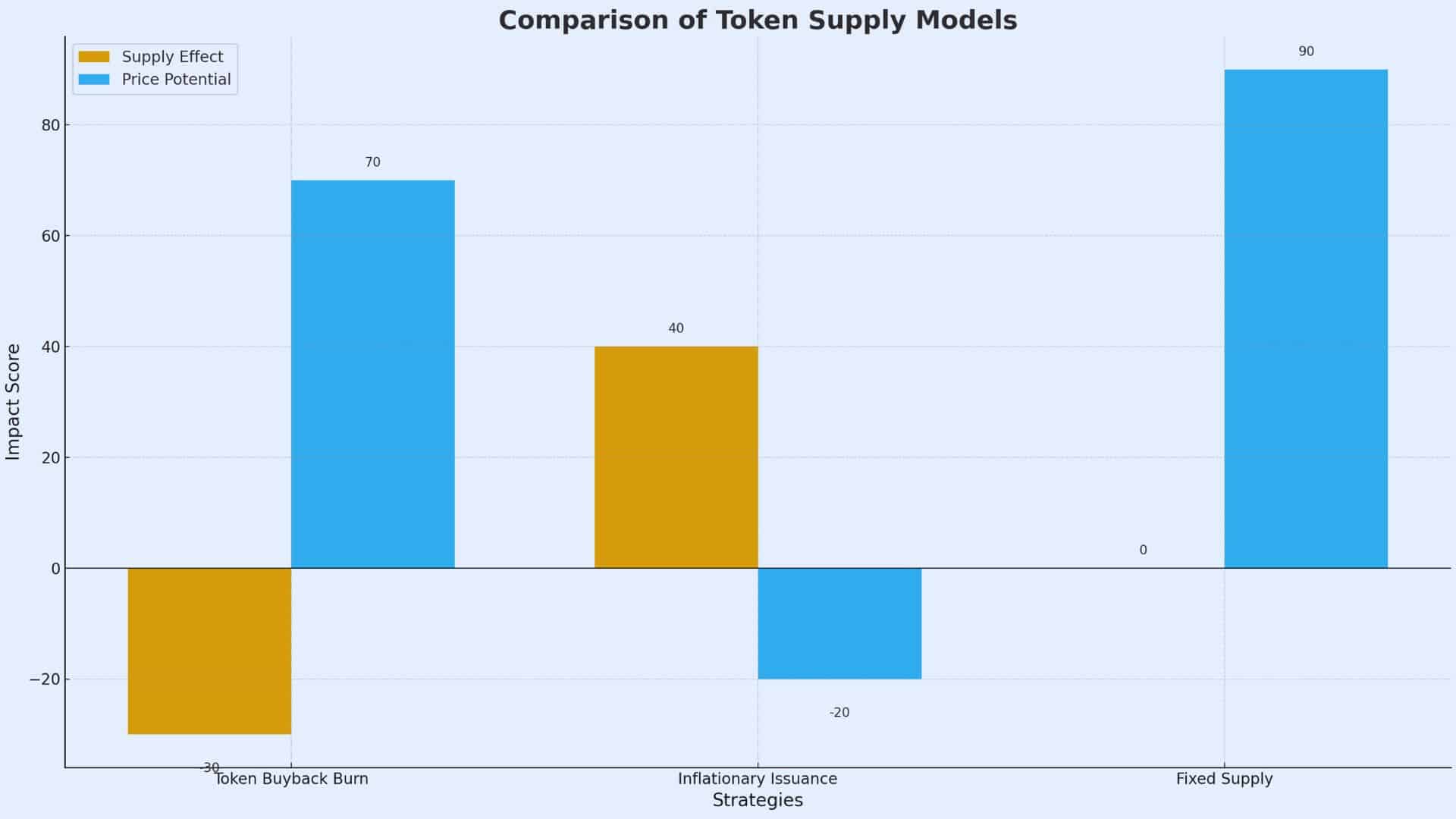
Table: Comparing Token Supply Models
| Strategy | Effect on Supply | Impact on Price Potential |
|---|---|---|
| Token Buyback Burn | Decreases permanently | Can lift price if demand stays |
| Inflationary Issuance | Increases supply | May dilute price |
| Fixed Supply (like Bitcoin) | Capped permanently | Scarcity drives value |
Conclusion
Based on the latest research, token buyback burn is more than a temporary fix. It shows how projects attempt to balance trust, scarcity, and market dynamics. For WLFI, the road ahead depends on whether this plan is executed with transparency and consistency.
As the crypto sector evolves, strategies like crypto token buyback and burn will likely remain central to how tokens defend value in volatile markets.
Also read: Will MANTRA’s $25M OM Buyback Push it Toward Recovery?
Summary
World Liberty Financial has proposed a token buyback burn to reduce supply and rebuild trust after its token’s weak debut. By using liquidity fees to repurchase and burn tokens, the project hopes to boost value and restore confidence. While similar crypto token buyback and burn models have worked elsewhere, success will depend on transparency, demand, and consistent delivery.
Glossary of Key Terms
Token Burn: Permanent removal of tokens from circulation.
Liquidity Fees: Fees collected when users trade on a platform.
Governance Token: A token that allows holders to vote on protocol decisions.
Buyback: A process where a project repurchases its own tokens from the market to reduce supply or support price.
FAQs for token buyback burn
Q1: What is token buyback burn?
It is a method where projects use fees or profits to buy tokens and permanently remove them, reducing supply.
Q2: Why does supply reduction matter?
Lower supply can make tokens scarce, which may help prices rise if demand stays steady.
Q3: Is this strategy unique to WLFI?
No. Many projects use crypto token buyback and burn programs to manage supply and support value.
Q4: Does it guarantee higher prices?
No. Success depends on actual demand and consistent execution.