



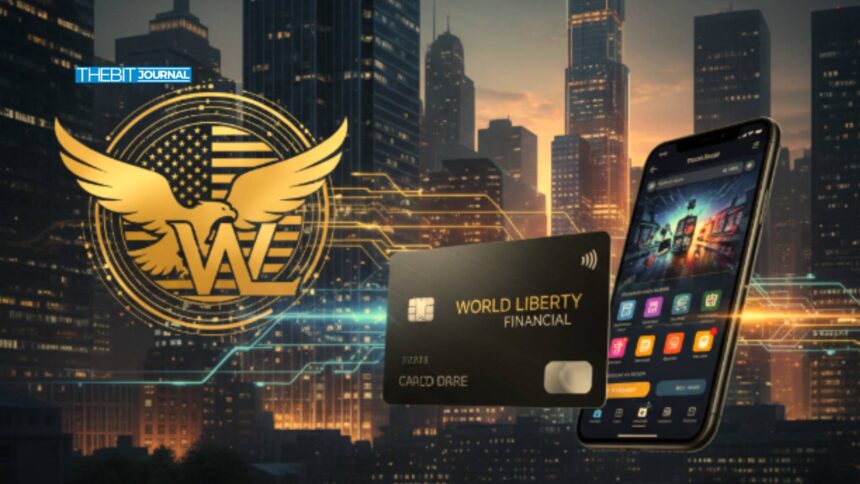

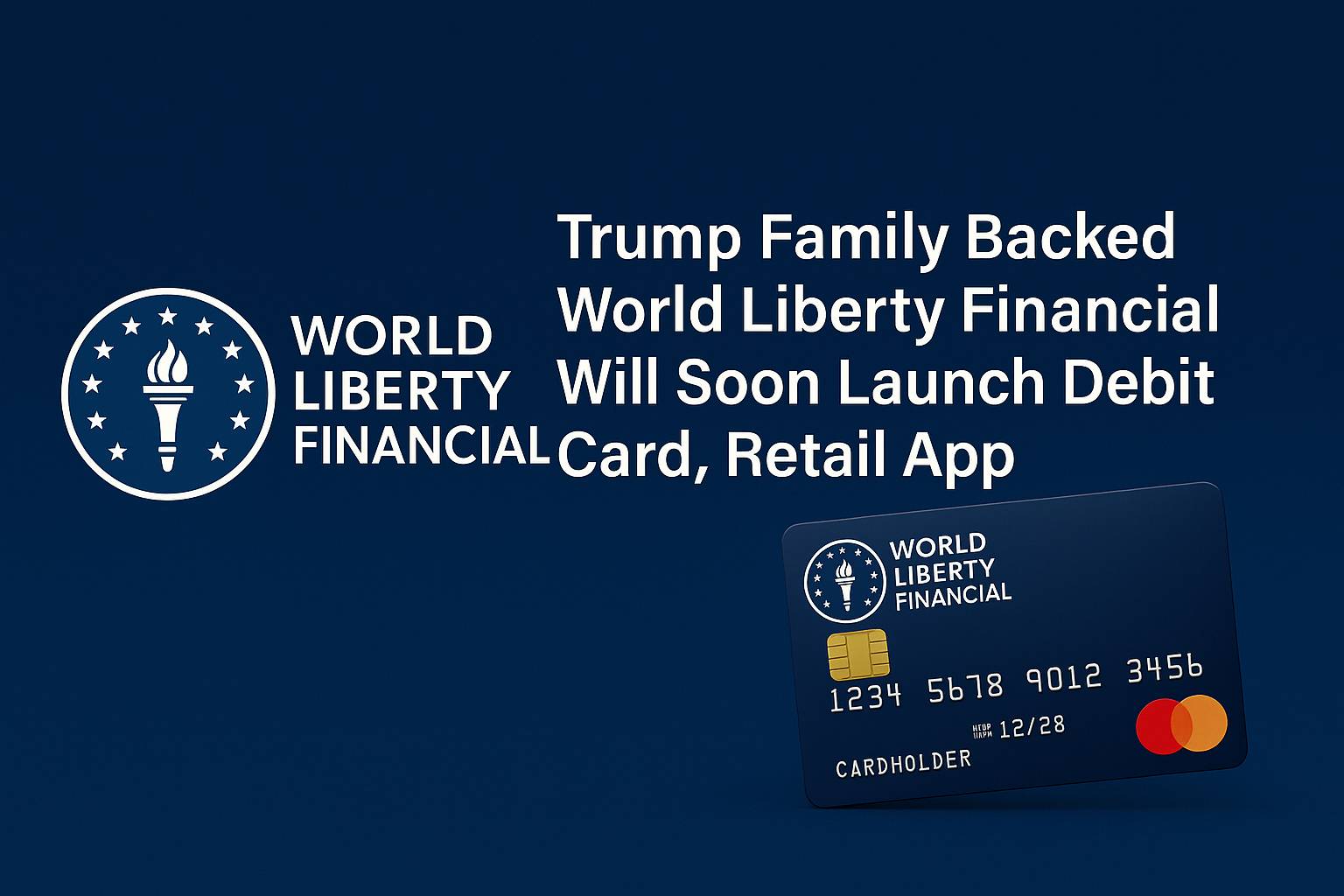
World Liberty Financial (WLFI), a project tied to members of the Trump family, has announced plans to roll out a debit card and a retail application that blends trading features with everyday payments. The initiative is designed to integrate its stablecoin USD1 directly into consumer spending, positioning WLFI as a bridge between blockchain and traditional retail.
A Debit Card That Extends Crypto Utility
WLFI executives revealed at Korea Blockchain Week that the debit card will connect seamlessly with Apple Pay and similar digital payment services. By integrating stablecoin transactions into established retail networks, the company hopes to expand crypto adoption beyond speculative trading.
Co-founder Zak Folkman explained that the card will provide a “real-world use case that consumers can trust,” a statement that highlights the firm’s ambition to normalize digital currency in daily life.
The project emphasizes a chain-agnostic structure, meaning USD1 transactions will not be locked to one blockchain. This approach could widen participation and reduce dependence on any single protocol, a key factor in driving mainstream growth.
Retail App Launch and Peer-to-Peer Features
Alongside the debit card, WLFI is preparing a retail app designed for more than just purchases. It will combine peer-to-peer transfers with trading functionality, giving users a single interface for both payments and investment. Market observers note that such a hybrid model could attract consumers seeking convenience in managing assets.
The timing of this launch aligns with growing competition in stablecoin-backed applications. By positioning USD1 at the center of its ecosystem, WLFI aims to carve out a space where a single token can support payments, transfers, and trading.
Strategic Moves: Partnership and Tokenomics
WLFI recently signed a memorandum of understanding with South Korea’s Bithumb exchange, aiming to expand its reach in Asia. While the agreement remains preliminary, it signals an intent to explore cooperative opportunities in one of the world’s most active crypto markets.
At the same time, WLFI passed a governance vote to direct 100 percent of its treasury liquidity fees toward buybacks and burns, reducing the circulating supply of its token. Analysts see this as a defensive strategy to support value after World Liberty Financial’s token suffered heavy declines in recent weeks.
Market voices have reacted strongly. Crypto analyst John Palmer wrote on X, “Using liquidity fees for burns is a bold decision. It might stabilize value in the short term, but the long-term success depends on the adoption of USD1.” His remarks underscore the delicate balance between token engineering and genuine utility.
Political Ties and Investor Concerns
The Trump family’s involvement remains both an asset and a liability. Supporters argue that their public role attracts attention and signals confidence, while critics highlight potential conflicts of interest and regulatory risks. With the stablecoin sector already under heavy scrutiny, WLFI’s political associations will likely remain a talking point for investors and policymakers.
Despite these tensions, WLFI’s leadership insists that the focus should remain on the product. As Folkman stated, “The card and the app are not political tools, they are financial innovations meant to empower people.”
Conclusion
World Liberty Financial’s upcoming debit card and retail app mark a decisive step in its attempt to mainstream crypto payments. With chain-agnostic infrastructure, a stablecoin at the core, and governance strategies designed to protect token value, WLFI is placing bold bets on adoption.
Yet regulatory challenges, political associations, and market skepticism mean its path forward is far from smooth. The success of this project will ultimately hinge on whether consumers embrace the stablecoin for real-world use.
FAQs
Q1: What is the main goal of WLFI’s debit card?
The card is designed to integrate stablecoin payments into everyday retail, making digital assets usable alongside traditional money.
Q2: How will the retail app function?
The app will combine peer-to-peer transfers with trading tools, offering a dual platform for payments and investments.
Q3: Why did WLFI approve token buybacks and burns?
The governance vote directed treasury fees toward reducing the circulating supply to support token value after recent declines.
Q4: What concerns exist about WLFI?
Critics point to the Trump family’s involvement and regulatory risks in the stablecoin sector, raising questions about long-term stability.
Glossary of Key Terms
Stablecoin: A digital asset pegged to a stable value, often the US dollar, to reduce volatility in transactions.
Chain-agnostic: A system designed to work across multiple blockchains without being tied to a single protocol.
Token Burn: The permanent removal of tokens from circulation, typically to reduce supply and potentially support price.
Treasury Liquidity Fees: Fees collected from a protocol’s operations, often used for governance, development, or market support.
Governance Vote: A decision-making process where token holders determine the direction of a project.