




Binance withdrawal recovery is complete, the exchange said on November 26, four weeks after it estimated losses from the October security incident at about $6.3 billion. The incident-related withdrawal suspension has ended, though Binance says individual networks may still pause for maintenance or upgrades.
Key Takeaways
- Binance said on November 26 that it had fully lifted the withdrawal suspension imposed after the October security incident.
- The phased reopening began November 1 with 15 networks, including BTC, ETH, BSC, TRX, SOL and XRP.
- Binance said it had replenished about 98% of the impacted amount by November 4 using its own resources.
- Reuters reported substantial net customer withdrawals early in the reopening. A November 26 market snapshot cannot establish a price reaction to the completion announcement.
Binance withdrawal recovery reaches completion
Binance announced on November 26 that it had completed recovery work and fully lifted the suspension imposed after the October security incident. Its service recovery notice distinguishes the end of incident-related restrictions from routine interruptions. A small number of networks could still be paused temporarily for maintenance or planned upgrades.
Cointelegraph reported the completion that day, describing it as the end of a phased reopening that started on November 1. Binance planned a first withdrawal phase across 15 networks, including BTC, ETH, BSC, TRX, SOL and XRP. It said other assets would be added as security and readiness checks were completed.
The announcement does not mean every token network will operate without interruption. Binance said temporary pauses for maintenance or planned upgrades on a small number of networks are separate from the completed hack-related recovery.

Background and context for the Binance withdrawal recovery
Binance said its hot wallets were compromised at about 20:05 UTC on October 29, 2026, and estimated losses at approximately $6.3 billion. In an October 30 update, it said it would cover the stolen funds through SAFU and its corporate treasury.
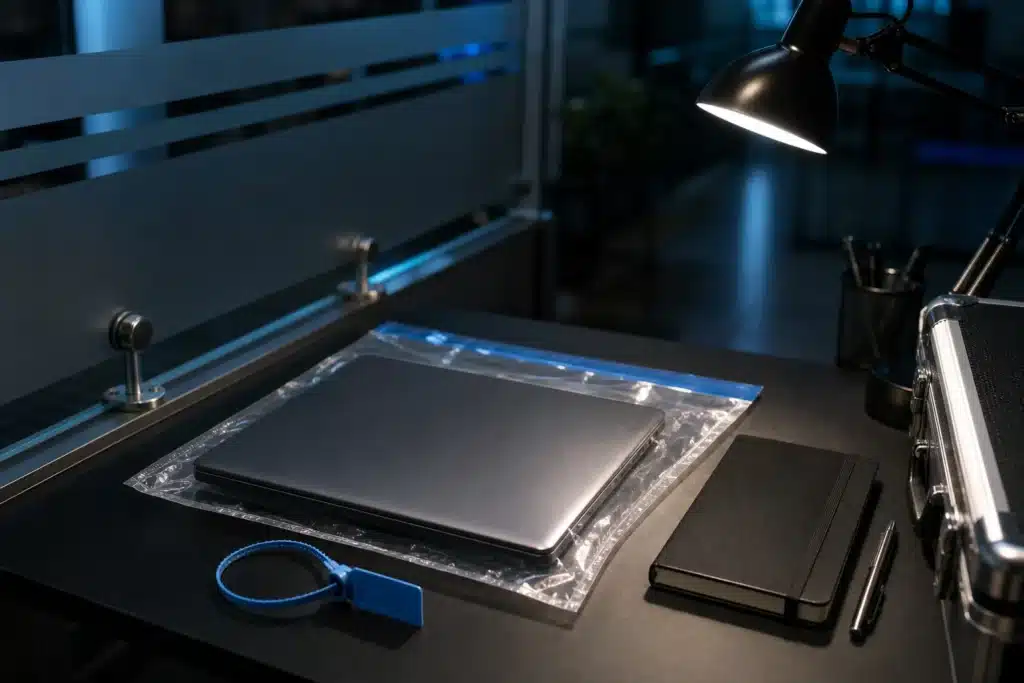
The exchange’s initial investigation pointed to a compromised DevOps engineer’s laptop as a route into a service container, which was then used to make unauthorized withdrawals. Binance said it had found no evidence that wallet private keys were compromised. This is the company’s preliminary account, not an independent forensic finding in the available updates.
The FBI said North Korea was responsible for the theft of more than $6 billion in virtual assets from Binance on or about October 29, identifying the actors as TraderTraitor. It urged cryptocurrency firms to block transactions linked to the actors’ laundering addresses. The FBI alert provides the bureau’s attribution of the attack.
Binance said on November 4 that it had replenished approximately 98% of the impacted amount using its own resources and was still buying the less-liquid remaining 2%. It also said its latest Proof of Reserves snapshot covered 44 tokens. These are Binance’s stated figures and do not provide further technical details about how the attack happened or which controls failed.
Market reaction and customer withdrawals
Reuters reported on November 2 that customers had withdrawn a net $4.72 billion since withdrawals reopened, about 3% of the platform’s assets. Binance also reported $2.7 billion in customer inflows. Analysts cited by Reuters said the outflows suggested confidence had largely held up, though customers had moved assets out during the reopening period.
Those figures cover the initial reopening period, not sentiment on November 26. The available market snapshot gives broad crypto prices, not Binance-specific deposits or withdrawals.
At 23:13 UTC on November 26, CoinGecko data showed Bitcoin at $60,418, up 0.46% over 24 hours. Ether was $1,687.29, up 0.04%, and BNB was $552.90, up 0.29%. All three were sharply lower over 30 days. Small daily gains don’t establish that the recovery notice caused a market move.
| Asset | Price, November 26 at 23:13 UTC | 24-hour change | 30-day change |
|---|---|---|---|
| Bitcoin (BTC) | $60,418 | +0.46% | -25.19% |
| Ether (ETH) | $1,687.29 | +0.04% | -27.98% |
| BNB | $552.90 | +0.29% | -25.80% |
Crypto Fear & Greed Index data placed sentiment at 11, or Extreme Fear, on November 26. That measures broad market sentiment, not a specific reaction to Binance. In this incident, Binance reported a hot-wallet compromise and a withdrawal suspension. The exchange said a small number of networks could still have temporary pauses for maintenance or planned upgrades.

What to watch next
One area to watch is service across networks added during the phased reopening. Binance says the incident-related suspension is over and that temporary pauses for maintenance or upgrades are separate from that completed recovery.
Further information could change how the breach is assessed. Binance’s initial explanation described a compromised employee laptop and access to a service container. The FBI said North Korea was responsible, identified the actors as TraderTraitor and asked firms to block transactions linked to their laundering addresses. The updates cited here do not provide additional technical detail about the incident.
Binance’s November 4 update cited replenishment of approximately 98% of the impacted amount and a Proof of Reserves snapshot covering 44 tokens. The cited update does not specify what security changes followed the incident.
For the broader market, actual exchange-flow data and official updates offer more context than a single day’s token prices. November’s reported outflows and inflows show customer behavior during reopening, not how users will respond to future incidents.
FAQ
What does Binance withdrawal recovery mean for users?
Binance said on November 26 that the withdrawal suspension imposed after the October security incident had been fully lifted. The exchange says some networks may still pause for maintenance or upgrades.
When did Binance start reopening withdrawals?
The staged reopening began on November 1. Binance said the first phase covered 15 networks, including BTC, ETH, BSC, TRX, SOL and XRP. It said other assets would be added after security and readiness checks.
Did Binance withdrawal recovery recover all stolen funds?
Binance said on November 4 that it had replenished approximately 98% of the impacted amount and was still buying the less-liquid remaining 2%. This describes its replenishment of the impacted amount, not proof that it recovered every asset taken by attackers.
Sources
- Service Recovery Update: Withdrawals Recovery Work Complete (2026-11-26) (www.binance.com)
- North Korea Responsible for $6 Billion+ Binance Attack, FBI (www.fbi.gov)
- Binance completes withdrawal recovery four weeks after $6.3B hack (Cointelegraph)
This article is for informational purposes only and does not constitute financial or investment advice. Cryptocurrencies are highly volatile; always do your own research before investing.