

Bitcoin fell below $67,000 as a sharp mix of ETF withdrawals, leveraged liquidations, and weak spot demand dragged the wider crypto market lower. The move exposed a familiar problem for digital assets: when institutional inflows slow and traders remain heavily leveraged, even a moderate selloff can turn into a faster market reset. For investors watching the Bitcoin price, the latest pullback was less about one bad trading session and more about pressure building across several corners of the market at once.
Bitcoin Price Falls as Forced Selling Hits Traders
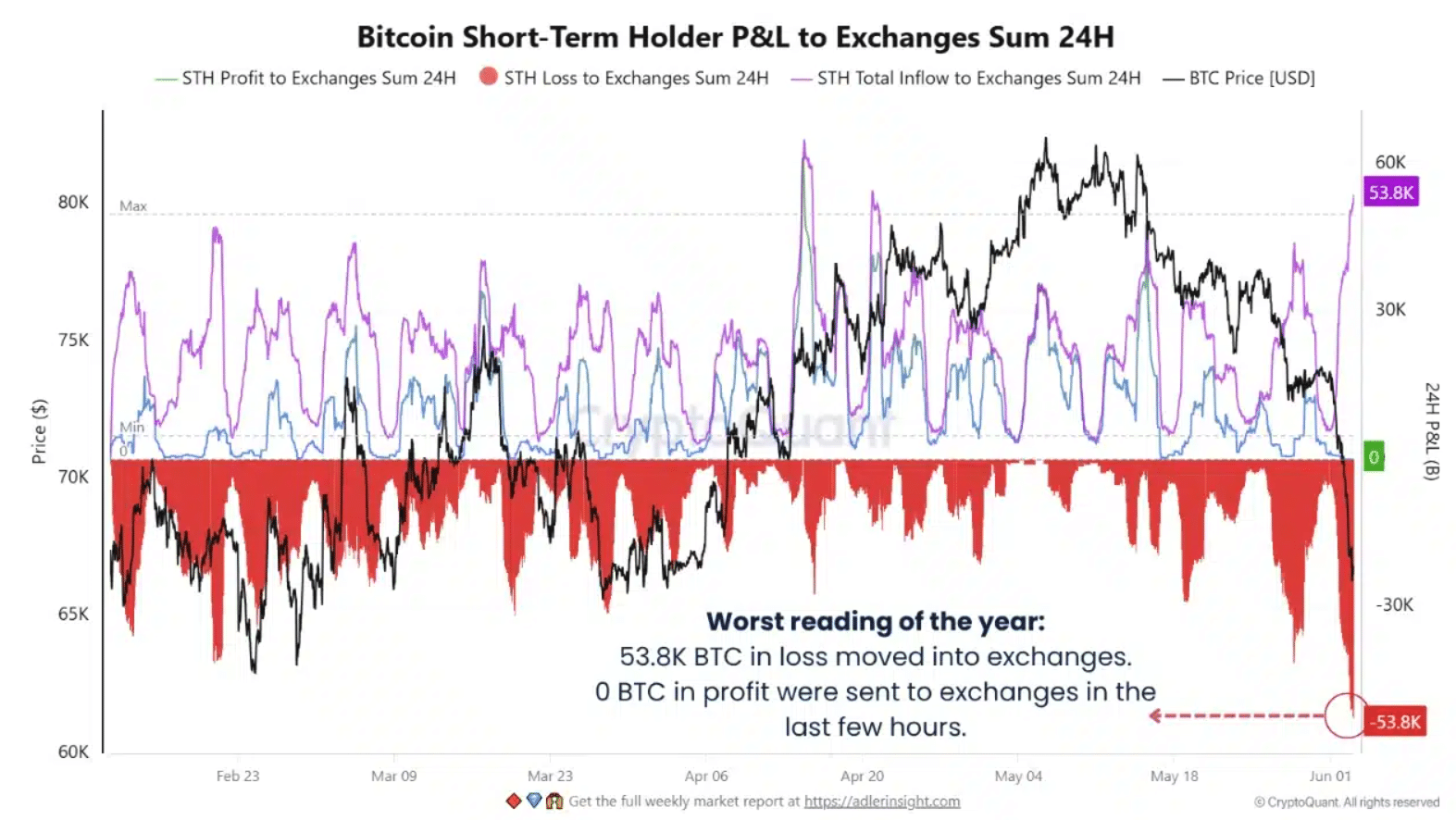
The Bitcoin price dropped to nearly $66,600 during the latest selloff, marking one of its weakest levels since early April. The decline came as long positions were liquidated across major crypto exchanges, forcing traders who expected a rebound to close positions at a loss.
Liquidation events often act like falling dominoes. When Bitcoin moves below key support, leveraged traders face margin calls. Their positions are then closed by exchanges, which adds more sell orders into an already nervous market. That extra selling can pull the Bitcoin price lower, even when long-term holders are not rushing for the exit.
This is why leverage matters so much in crypto. A market can look calm on the surface, but when open interest stays high, hidden risk builds under the hood. Once price breaks, the unwind can be quick and messy.
ETF Outflows Add Pressure to Market Sentiment
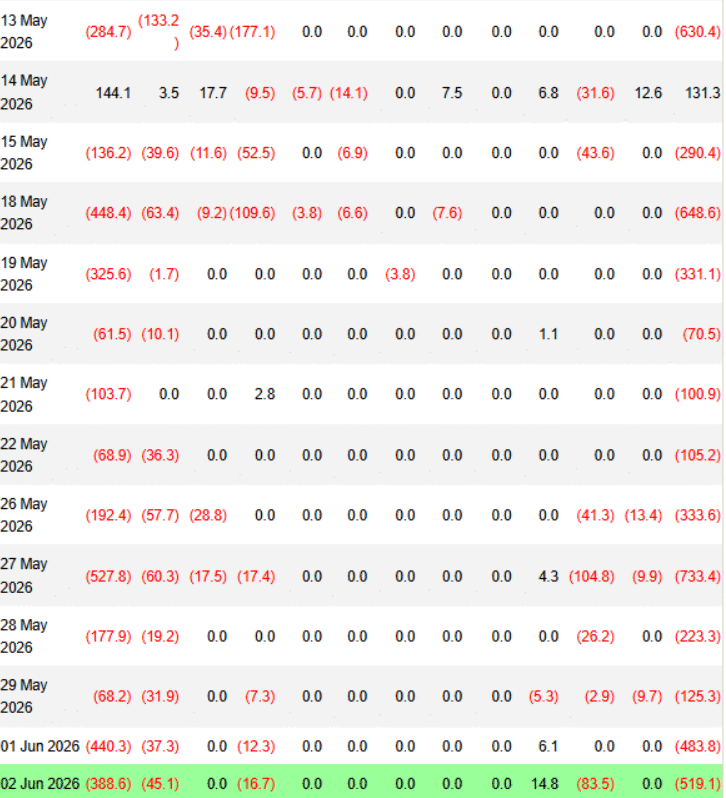
Spot Bitcoin ETFs have become one of the most important demand channels for the asset. When inflows rise, they often support confidence because regulated funds are absorbing supply. When outflows stretch over several sessions, the signal changes.
Recent ETF withdrawals showed that some institutional investors were reducing exposure or locking in gains. That does not mean long-term demand has disappeared, but it does suggest buyers became more cautious as Bitcoin lost momentum.
For the Bitcoin price, ETF flows now work almost like a daily sentiment check. Strong inflows can steady the market, while repeated outflows can make traders question whether large buyers are still willing to step in near support.
Weak Demand Meets Heavy Leverage
The deeper concern is not only the fall below $67,000. It is the combination of softer spot demand and crowded leveraged positions. In healthier rallies, spot buying supports price even when futures traders get too aggressive. In weaker markets, that safety net is thinner.
The latest move showed that fresh capital was not strong enough to absorb forced selling. That matters because Bitcoin still trades like a risk asset during periods of stress, even though many investors view it as a long-term store of value.
The Bitcoin price also struggled as broader risk appetite cooled. Traders were watching U.S. rates, liquidity conditions, equity market strength, and geopolitical headlines. In that kind of environment, crypto can lose attention quickly, especially when other sectors offer cleaner momentum.
Key Indicators Traders Are Watching
The first key indicator is liquidation volume. High liquidation figures show that leverage was too crowded on one side of the trade. It also means the market may need time to rebuild a healthier base.
The second indicator is ETF flow. A return to net inflows would show that institutional demand is improving. Continued outflows, however, could keep pressure on the Bitcoin price.
The third indicator is open interest, which tracks the value of active futures contracts. If open interest remains high while price falls, more volatility may follow. If it cools down, the market may be clearing excess risk.
The fourth indicator is support near $66,000 to $65,000. A clean defense of this area could calm traders. A break below it may shift attention toward the $60,000 zone.
Conclusion
Bitcoin price falls below $67,000 was not caused by one single factor. ETF outflows weakened confidence, liquidations accelerated the drop, and soft demand left the market with fewer buyers at a crucial moment. The Bitcoin price now needs stronger spot demand and calmer leverage conditions to recover with conviction. Until that happens, traders may treat rebounds carefully rather than assume the pullback is over.
Frequently Asked Questions
Why did Bitcoin fall below $67,000?
Bitcoin fell as ETF outflows, forced liquidations, and weak demand combined to increase selling pressure.
Can ETF outflows affect Bitcoin directly?
Yes. When spot ETFs see withdrawals, funds may reduce Bitcoin exposure, which can weaken market confidence.
What level matters next for Bitcoin?
Traders are watching the $66,000 to $65,000 area first, then $60,000 if selling continues.
Glossary of Key Terms
Liquidation: Forced closure of a leveraged trade when losses exceed margin limits.
ETF Outflow: Money leaving an exchange-traded fund, often showing weaker investor demand.
Open Interest: Total value of active futures contracts in the market.
Support Level: A price area where buyers may step in to slow or stop a decline.
Sources
Disclaimer: This article is for informational purposes only and does not provide financial advice. Crypto assets are volatile, and readers should conduct independent research before making investment decisions.