

Last updated: November 2, 2026
A crypto bridge exploit abuses the process that moves value between blockchains. Attackers may create tokens without backing, release locked assets or replay an authorization, leaving projects and users facing losses and disrupted transfers.
Key Takeaways
- Bridges use contracts and verification systems to confirm deposits, burns and withdrawals across networks.
- Exploits can target smart contracts, verifiers, off-chain software or messages accepted more than once.
- Attackers may create unbacked tokens or release genuine assets without a valid claim.
- Projects can pause a bridge and investigate, but recovery is uncertain.
How a crypto bridge exploit begins
A common design locks an asset on one blockchain and issues a corresponding token on another. To return, the user burns that token and provides evidence so the original asset can be released. The bridge must correctly confirm both sides of the transfer.
The Sandbox described this model for SAND: users deposit tokens into an Ethereum vault and receive corresponding SAND on Base. To return, Base tokens are burned and the Ethereum vault releases collateral after receiving a signed message confirming the burn. That verification step can become a target.
Bridge designs vary. Some rely on smart contracts and validators; others use software to observe transactions and pass messages between networks. An exploit can target any part of this process, including message checks or the rules for who can verify a transfer. See The Sandbox’s post-mortem for its explanation of the transfer model.
What attackers try to make the bridge do
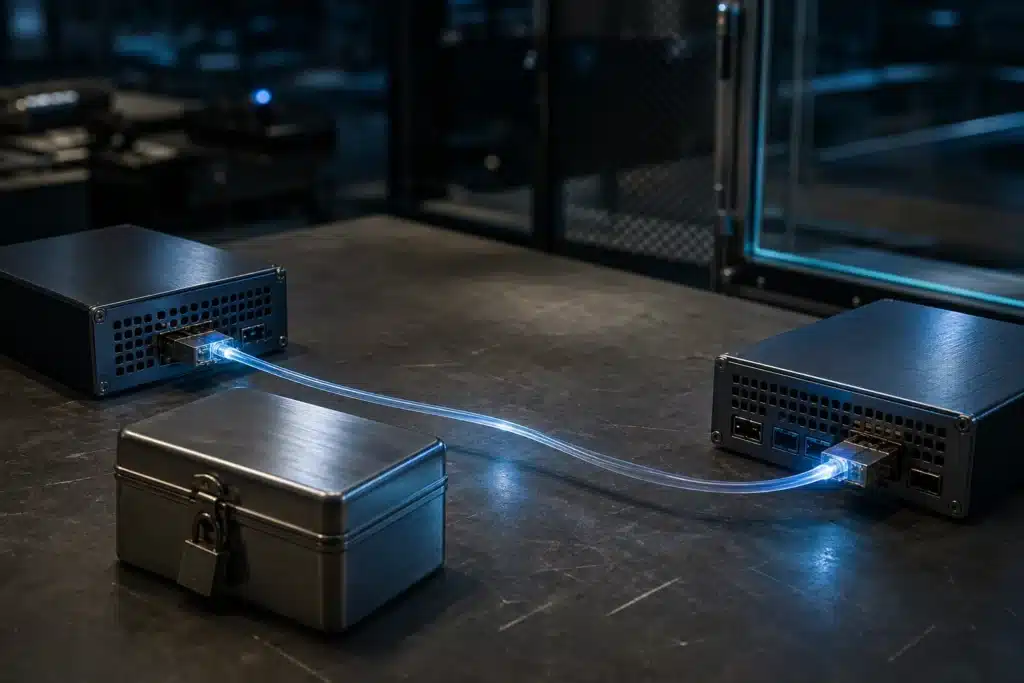
An attacker may make one side accept a transfer the other side never authorized. This can mean minting tokens without locking matching assets, or withdrawing collateral without a valid deposit or burn.
The Sandbox reported that an attacker exploited a configuration vulnerability on August 21, 2026, to become the sole verifier, mint unbacked SAND on Base and BNB Smart Chain, then sell some tokens and redeem others against Ethereum collateral. The project estimated that 14,742,341.84 SAND, worth about $697,000, was withdrawn.
TAC’s post-mortem described another weakness: its sequencer accepted a counterfeit TON jetton wallet without checking the wallet’s code hash or minter. The attacker minted tokens on TAC and bridged them back to release genuine locked assets. TAC reported a loss of about $2.854 million. A token’s name or message format alone may not prove it is legitimate.
Common bridge failure modes
Forged or unauthorized messages can trigger withdrawals. In the Alephium Bridge exploit on May 30, 2026, an attacker used an eclipse-style disruption and a missing check in off-chain fallback processing to get guardians to sign valid but unauthorized messages. Alephium said guardian keys were not compromised. About $305,000 in collateral was withdrawn, and 13.76 million unbacked wALPH was minted.
Replay attacks happen when a message valid once is accepted again. ICON reported that, between 02:01 and 02:21 UTC on August 27, 2026, an attacker replayed two previously signed withdrawal messages 1,492 times. They released 119,866,000 ICX and 531,600 bnUSD.
A bridge can also misinterpret a message. Syscoin reported that a June 7, 2026, mismatch between Syscoin Core and its NEVM relay made an ambiguous payload look like a request to release 5 billion SYS. The project said the funds were returned and burned, and the bridge remained paused during remediation. An exploit does not always begin with a stolen key or a direct attack on a token contract.

What happens after an exploit is detected
Teams may pause contracts, stop transfers or halt network activity during an investigation. ICON said its alert fired within seven minutes of the August 27 incident. The affected contract was paused and the network halted. A pause can limit further activity, but ordinary transfers may be unavailable during the review.
Recovery depends on what happened to the assets and which controls are available. Alephium said it shut down its bridge on the morning of the exploit. It reported that 96.4% of the unbacked wALPH was burned on-chain and legitimate user assets were being re-backed before a relaunch. Outcomes vary, and a recovery plan does not establish that every user will be reimbursed.
Projects may trace funds, coordinate with exchanges and publish technical findings. Recovery can be difficult if assets have moved across networks or been exchanged. During an incident, teams may also restrict transfers while they investigate.
What users may notice and what remains at risk
During an exploit, transfers may be paused, delayed or marked pending. A token issued on the destination chain may lose confidence if its backing is in doubt. Users may face uncertainty about redemption, liquidity and whether the token supply still matches assets held by the bridge.
Bridge users face smart contract and operational risks, volatility and possible total loss. A project announcement or displayed token price does not prove every issued token remains backed. Scammers may also pose as support staff during an incident. Never share a seed phrase or private key with someone claiming they can recover funds.
Incident notices and technical post-mortems can identify affected contracts or networks. Read the timeline carefully: a pause, a recovery plan and completed reimbursement are different things. Reports may change as investigations continue.
Crypto bridge exploit FAQ
Can a bridge exploit create tokens from nothing?
Yes. If a bridge accepts an invalid deposit or authorization, an attacker may cause tokens to be minted on one chain without matching assets locked elsewhere. These are often called unbacked tokens.
Are funds lost immediately in every bridge exploit?
No. A project may pause activity or recover assets, but recovery is uncertain. Losses can remain even after a bridge resumes operating.
Why do bridge exploits affect more than one blockchain?
A bridge connects systems with separate transaction histories. A flaw in transfer verification can affect the chain where tokens are created and the chain holding the original collateral.
How can users tell whether a bridge is safe after an incident?
No single announcement establishes safety. A post-mortem can explain the cause and remediation, but bridge code, validators and operating procedures can still carry risk. Users also face volatility, scams and possible total loss.
Sources
- The Sandbox Blog | August 22 Exploit Post-Mortem (www.sandbox.game)
- Alephium Bridge Exploit: Postmortem (alephium.org)
- Post-Mortem Report: TAC Bridge (www.tac.build)
This article is for informational purposes only and does not constitute financial or investment advice. Cryptocurrencies are highly volatile; always do your own research before investing.