


Last updated: November 22, 2026
Hot wallet vs cold wallet security depends on how signing keys connect to the internet and what could happen if the keys or device are compromised. Hot wallets make routine transactions easier. Cold wallets reduce some online exposure but bring physical and recovery risks.
TL;DR
- Hot wallets are internet-connected; cold wallets are typically kept offline, reducing some online exposure.
- Cold storage cannot prevent loss from theft, damage, an exposed recovery phrase or a mistaken transaction.
- Security depends on key handling, recovery, transaction checks and custody arrangements, not just the wallet label.
Hot wallet vs cold wallet security: what changes?
The U.S. Securities and Exchange Commission (SEC) defines a hot wallet as internet-connected and a cold wallet as typically offline. A hot wallet may be an app or browser wallet used to sign transactions. A cold wallet often keeps signing keys on a device that stays disconnected except when needed.
The difference is exposure, not that either type is perfectly safe. The SEC says cold wallets are generally less exposed to cyberthreats, but a device can be lost, damaged or stolen. Hot wallets are more accessible, but connected devices and accounts can face malware, phishing and account compromise.
A 2025 International Telecommunication Union technical report cautions against treating hot and cold as absolute categories. Some software wallets lock and encrypt data when inactive, while online signing systems can use hardware security modules to strengthen key security.
How hot wallet vs cold wallet choices affect access
Hot wallets suit convenient access for frequent payments or application use. But signing from a connected device creates opportunities for malicious links, fake apps or a compromised computer to interfere.
Cold wallets reduce the time keys spend online, but don’t protect users from deception. Someone can approve a transaction they misunderstand, expose a recovery phrase or send funds to the wrong address. Crypto transfers can be difficult or impossible to reverse.
For more on the secret that restores access, see our guide to crypto seed phrase security. The SEC says a seed phrase can restore a wallet after device damage or software corruption. Store it securely and never share it.
Where each wallet type can fail
Hot wallet risks
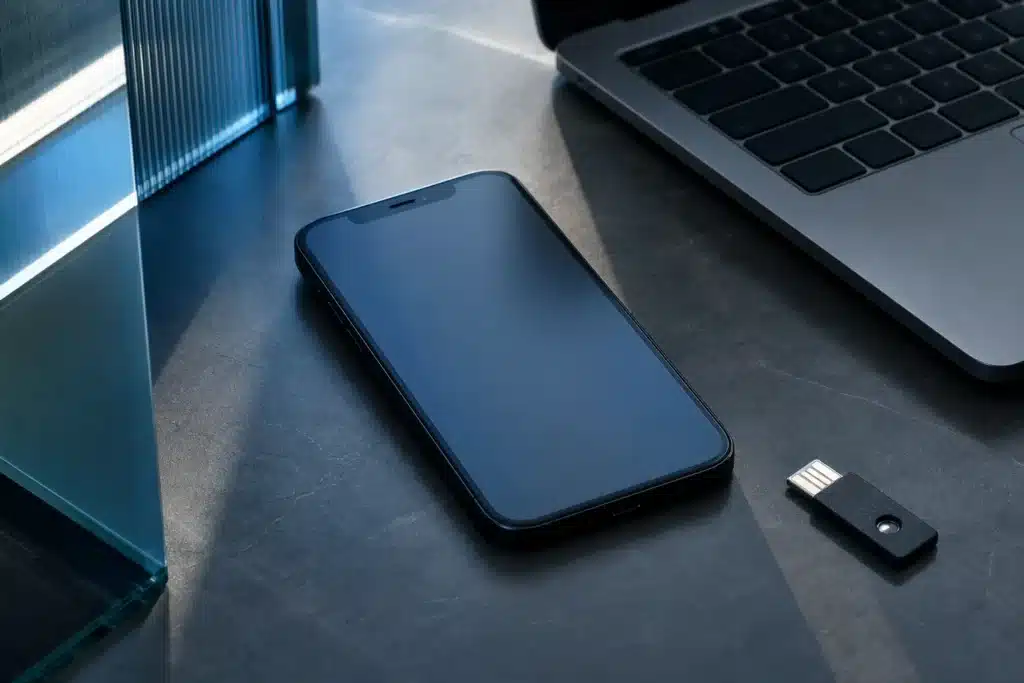
Hot wallet risks often start with a connected device or account. Malware can target a computer or phone, phishing can expose a recovery phrase, and a fake wallet interface can prompt an unsafe approval. A password or screen lock protects device access, but doesn’t replace private-key security.
Online backups also need care. Bitcoin.org warns they can be highly vulnerable to theft and recommends encrypting them. It also recommends keeping only small amounts on a computer or mobile wallet for everyday use, with the rest in a safer environment. Bitcoin.org recommends these precautions for everyday wallet use and online backups.
Cold wallet risks
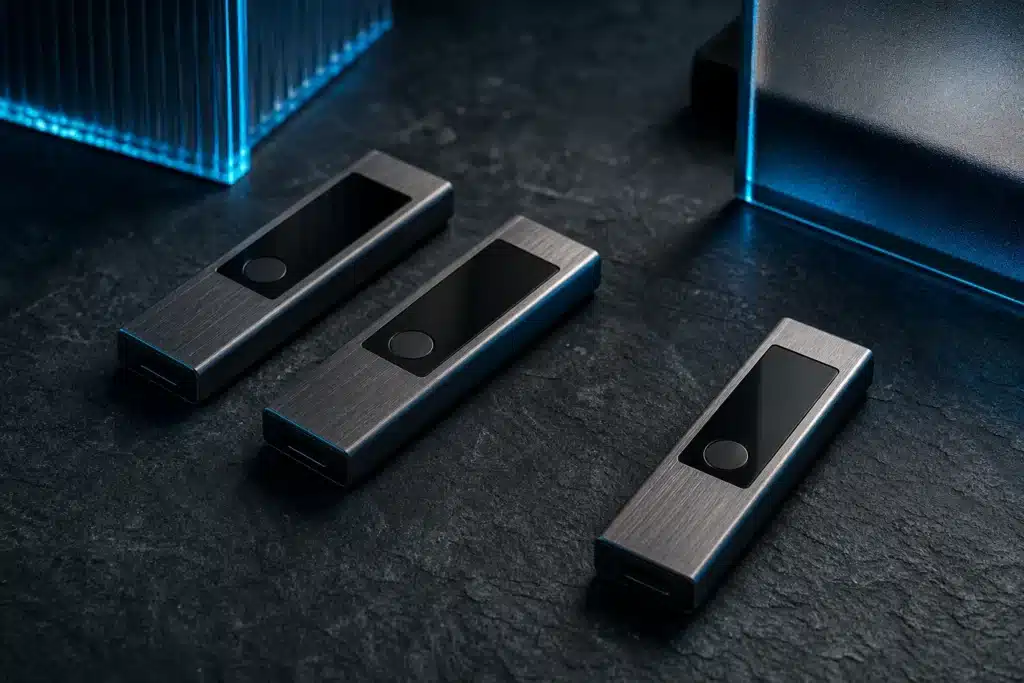
Cold wallets shift some risk from online attacks to physical custody and recovery. A device can be misplaced, damaged or stolen. A recovery phrase stored beside it could expose the same wallet if both are taken. Without a usable recovery method, device failure may mean losing access to the assets.
Cold storage still requires careful transaction checks. Users need to understand what they’re signing and, where possible, verify destination details on the device. An offline signing key can’t determine whether a transaction is safe or a website is legitimate.
Self-custody makes the user responsible for keys and recovery. For a comparison with exchange accounts, see our overview of crypto exchange versus self-custody. Exchange custody carries different risks, including reliance on the provider and its security controls.

Security controls beyond hot or cold storage
Wallet design and operating habits both matter. Use trusted wallet software, keep devices and software updated, protect accounts with strong authentication where available, and check transaction details before signing. Never share a seed phrase with someone or a website claiming to provide support.
A setup can require multiple approvals before assets move. A 2025 U.S. presidential digital-assets report describes multisignature wallets that require a quorum, such as two of three users, and multi-party computation, which splits a private key into portions. These methods can reduce reliance on one key, but add setup and recovery complexity.
Bitcoin.org describes offline signing in which an offline computer holds signing keys while an online computer prepares unsigned transactions and broadcasts signed ones. Its three-of-five multisignature example requires multiple independent approvals. These protections aren’t plug-and-play: losing enough keys or mismanaging the process can still block access.
Regulation doesn’t make one storage type universally mandatory. A proposed SEC crypto-custody rule published October 6, 2026 discusses possible safeguards for hot or warm wallets, including encryption, multisignature, approved-recipient lists and withdrawal delays. The proposal doesn’t mandate hot or cold storage. The Federal Register says comments are due December 7, 2026.
Hot wallet vs cold wallet pros and cons
| Wallet type | Pros | Cons |
|---|---|---|
| Hot wallet | Quick access for routine transactions; no separate offline device is required. | Connected keys or devices may face online attacks, phishing and malware. |
| Cold wallet | Keys typically spend less time online, reducing some cyber exposure. | Device loss, damage, theft or poor recovery storage can cause permanent loss. |
| Either type | Can support stronger controls depending on design and use. | Incorrect approvals, exposed recovery phrases and user mistakes remain possible. |
Who each wallet is and is not for
A hot wallet may suit someone who needs regular access and understands the risks of a connected device. It’s less suited to someone who can’t reliably secure that device, identify suspicious prompts or protect account credentials.
A cold wallet may suit someone who wants signing keys offline for longer and can store the device and recovery information separately and securely. It’s less suited to someone likely to lose recovery materials or unable to follow transaction steps carefully. Neither setup removes volatility, scams, platform risk or the possibility of losing the full value of crypto assets.
Bottom line
Hot wallet vs cold wallet security is a trade-off between online exposure, physical control and convenience. Cold storage can limit some internet-based threats, while hot storage can simplify frequent access. In both cases, recovery, transaction checks and custody responsibilities shape how resilient the setup is. Compare the risks each option creates and whether they can be managed, rather than assuming one is universally safer.
Sources
- Crypto Asset Custody Basics for Retail Investors, Investor Bulletin (www.investor.gov)
- Securing your wallet (bitcoin.org)
- ITU-T Technical Report (04/2025) Digital wallet landscape analysis and security features (www.itu.int)
This article is for informational purposes only and does not constitute financial or investment advice. Cryptocurrencies are highly volatile; always do your own research before investing.