

Last updated: November 6, 2026
A decentralized wireless network shares the work of providing connectivity among independent operators, businesses or communities, rather than relying on one company to own every access point. The model can widen access, but depends on reliable equipment, internet backhaul, coordination and, in some projects, token incentives.
Key Takeaways
- Some wireless infrastructure can be distributed across multiple operators.
- Community networks can operate without blockchain or cryptocurrency.
- DePIN projects may use tokens to reward hotspot operators, but rewards can vary and change.
- Coverage, security, regulation and reward-token value remain important risks.
What a decentralized wireless network means
A decentralized wireless network is a system in which multiple parties provide or manage parts of wireless infrastructure. This can include Wi-Fi access points, cellular radios or gateways connecting low-power devices. The network still needs rules for equipment, user authentication and routing traffic to the wider internet.
Decentralization describes who contributes infrastructure and how it is managed. It does not mean every part of the service is distributed: a project may rely on shared software, central customer support or a common network core. An IEEE white paper published March 24, 2026, describes community networks as telecommunications infrastructure built, managed and operated by local communities. That model does not require blockchain.
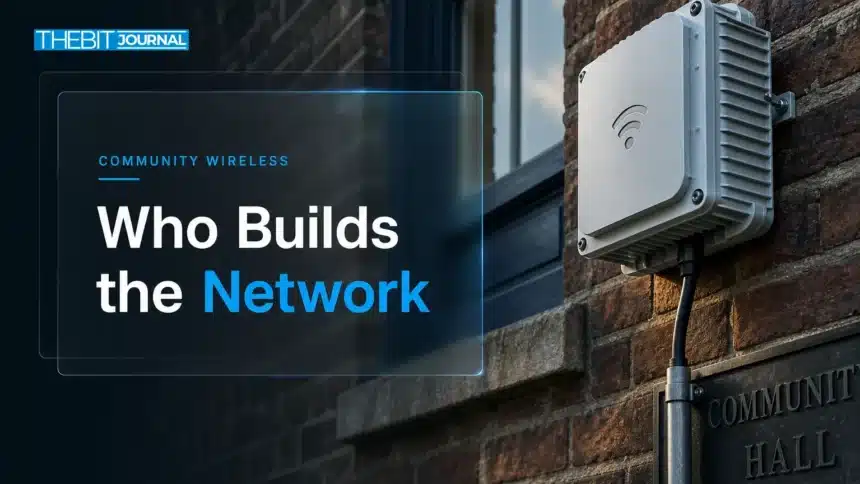
A community wireless network may serve a specific place or need. Residents, groups or businesses can contribute equipment, while shared technical standards allow devices to connect. Performance still depends on physical design and backhaul, the connection carrying traffic from a local access point to the internet.
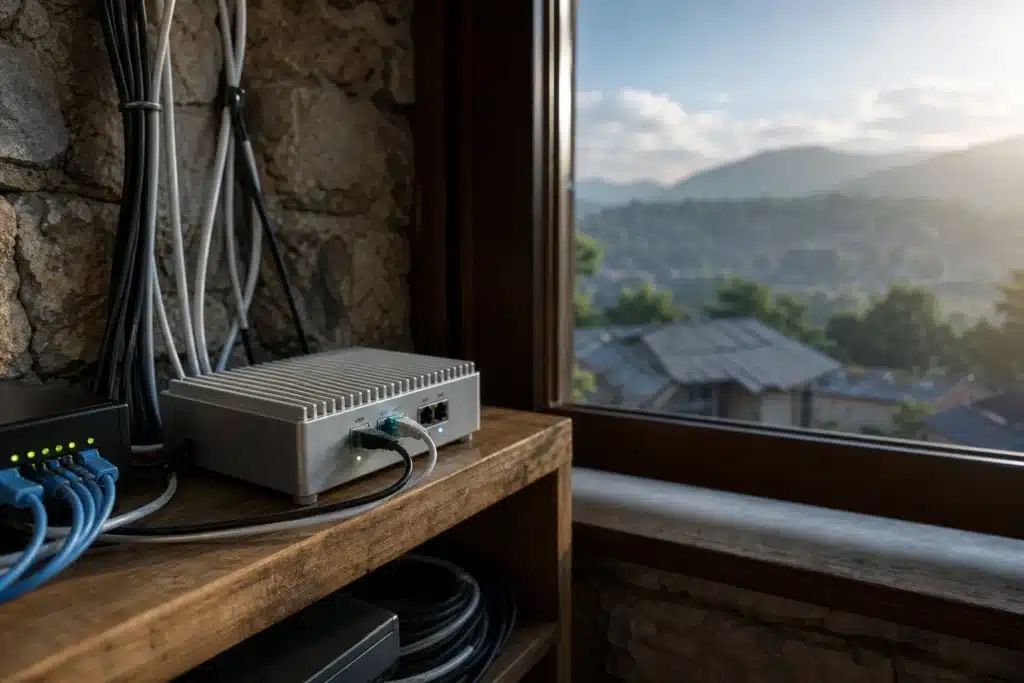
How a decentralized wireless network works
An operator installs a compatible hotspot or gateway, and nearby phones, computers or connected sensors use its radio signal. The equipment passes traffic through wired or wireless backhaul into broader routing and authentication systems.
Coordination matters even when access points have different owners. Operators may follow common rules for coverage, device configuration and service quality. Shared systems can identify active hotspots and measure traffic. Blockchain may record activity or support payments, but it does not transmit radio signals or replace network operations.
Some DePIN projects use blockchain protocols and tokens to encourage independent operators to provide physical infrastructure. Chainlink’s overview of decentralized physical infrastructure identifies wireless hotspots as one possible use. Rewards are a feature of that model, not a requirement for every community network. Projects also need ways to assess whether reported activity reflects actual infrastructure use.
Wireless use cases: sensors and mobile access
Wireless systems serve different devices. Helium’s documentation describes a LoRaWAN network for Internet of Things devices, such as sensors sending small amounts of data, and a separate Wi-Fi network for mobile carrier offload. They are not interchangeable: range, power needs, data capacity and use cases differ.
In Helium’s mobile model, community-owned Hotspots and converted Wi-Fi networks connect to a common core, according to its Mobile documentation. Subscribers of multiple mobile carriers can get automatic network access, while hotspot deployers can earn HNT for providing coverage. This is one implementation, not a description of every community or DePIN network.
In a case study published November 3, 2026, Helium reported that Wi-Fi at Hialeah Park Casino carried about 846 GB across more than 127,000 sessions in its first three weeks of carrier offload. It also reported a one-day peak of 1,179 subscribers on October 18, 2026. These are figures reported by Helium for that venue, not independent measures of performance across all locations.

What decentralization can and cannot solve
Shared infrastructure may let a venue or community use existing equipment, add local coverage and distribute some costs and responsibilities. But having more hotspot owners does not by itself ensure strong service. A site still needs power, backhaul, well-placed equipment and enough capacity for demand.
Security and privacy matter, too. Operators and users need to understand how access is controlled and what information is collected. Coverage maps and activity records may be incomplete, and hotspots can stop working. Spectrum, telecommunications and privacy rules vary by country, so compliance depends on location.
Token-based projects add financial risks. Token prices can be volatile, rewards can change, and a token may lose most or all of its value. Operators may also pay for equipment, connectivity and maintenance. As of November 6, 2026, Helium’s governance page said a utility-and-emissions proposal had passed and was moving into implementation. The approved plan describes a capped mint of about 141 million HNT over about 36 months and shifts hotspot rewards toward carrying real traffic. This project-specific plan does not establish what operators will earn or serve as a template for other networks.
The business and wireless layers are separate. Blockchain can support records or settlement, but it cannot ensure reliable service. Network performance still depends on the radio equipment, its placement, backhaul and the systems coordinating access.
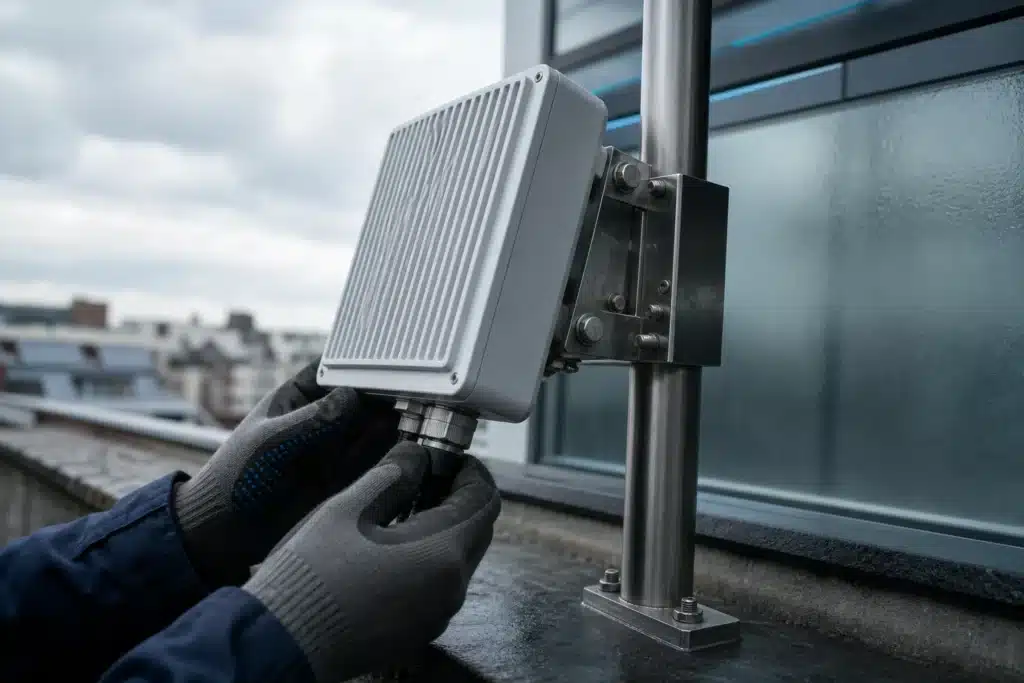
Decentralized wireless network FAQ
What is this type of network used for?
It can provide Wi-Fi or mobile connectivity through independently operated access points. Some networks also connect low-power IoT sensors using technologies such as LoRaWAN.
Does it need cryptocurrency?
No. Communities can build and manage local telecommunications infrastructure without a token. Some DePIN projects use blockchain and token incentives to coordinate operators or reward infrastructure contributions.
How is it different from a traditional carrier?
A traditional carrier typically manages its service and at least some of its network infrastructure. A decentralized wireless network distributes some equipment or operations among independent contributors, though it may still use a shared network core or service provider.
Can hotspot operators count on earning tokens?
Rewards depend on project rules and may change. Token value can fluctuate, and providing coverage can involve equipment and operating costs. Past activity or stated reward plans do not establish future earnings.
Sources
- Localized Community Networks Co-Create the Internet and Preserve Cultural Ethics: A Case Study from India (standards.ieee.org)
- Hialeah Park Casino Wi-Fi Now Carries Tier-1 Carrier Traffic (www.helium.com)
- Decentralized Physical Infrastructure (DePIN) (chain.link)
This article is for informational purposes only and does not constitute financial or investment advice. Cryptocurrencies are highly volatile; always do your own research before investing.