





This article was first published on The Bit Journal.
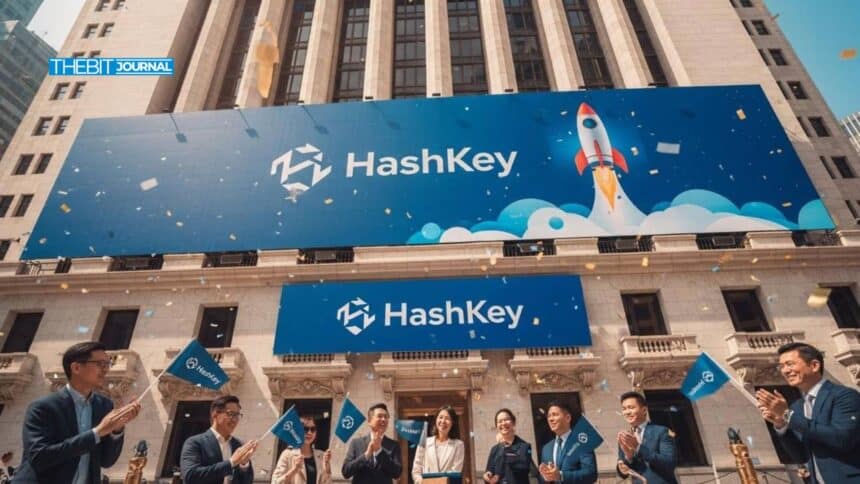
HashKey Group, founded back in 2018, is the largest licensed cryptocurrency exchange in Hong Kong. This December 2025, they made history by launching Hong Kong’s first-ever crypto company IPO. This HashKey Hong Kong IPO brought in around HK$1.6 billion (about $206 million) by selling 240.6 million shares at HK$6.68 each.
As for demand, investors were eager: the retail portion was oversubscribed by 394x and the bigger institutional investors were still 5.5x over the target limit.
Hong Kong’s Crypto-Friendly Regulatory Hub
Following Beijing’s ban on crypto trading in China in 2021, Hong Kong chose to keep its doors open within the ‘one country, two systems’ framework.
Then in 2023, the government decided that virtual asset trading platforms and stablecoin issuers should all get a license to operate. The latest Digital Asset Policy Statement 2.0 (June 2025) is all about making sure crypto firms know what to do and how to be safe.
The financial secretary in the person of Paul Chan as well as regulators are keen to stress that Hong Kong’s is bridging the gap between traditional finance and the crypto world.
Initiatives like stablecoin licenses (effective from August 2025) and tokenized bond pilot programs show just how supportive the government is of compliant crypto development.
For firms like HashKey, this all means they can operate freely.
As at August 2023, HashKey and OSL had both become the first two firms to get full approval from the SFC to run a retail crypto exchange in Hong Kong. That clarity has done wonders for growth.
In H1 2025 for instance, the city saw a massive 233% increase in crypto trading volume as more and more institutional investors came in. Unlike mainland China, Hong Kong’s approach is about encouraging innovation in blockchain and crypto while still protecting investors.
HashKey’s Business Model and Strategy
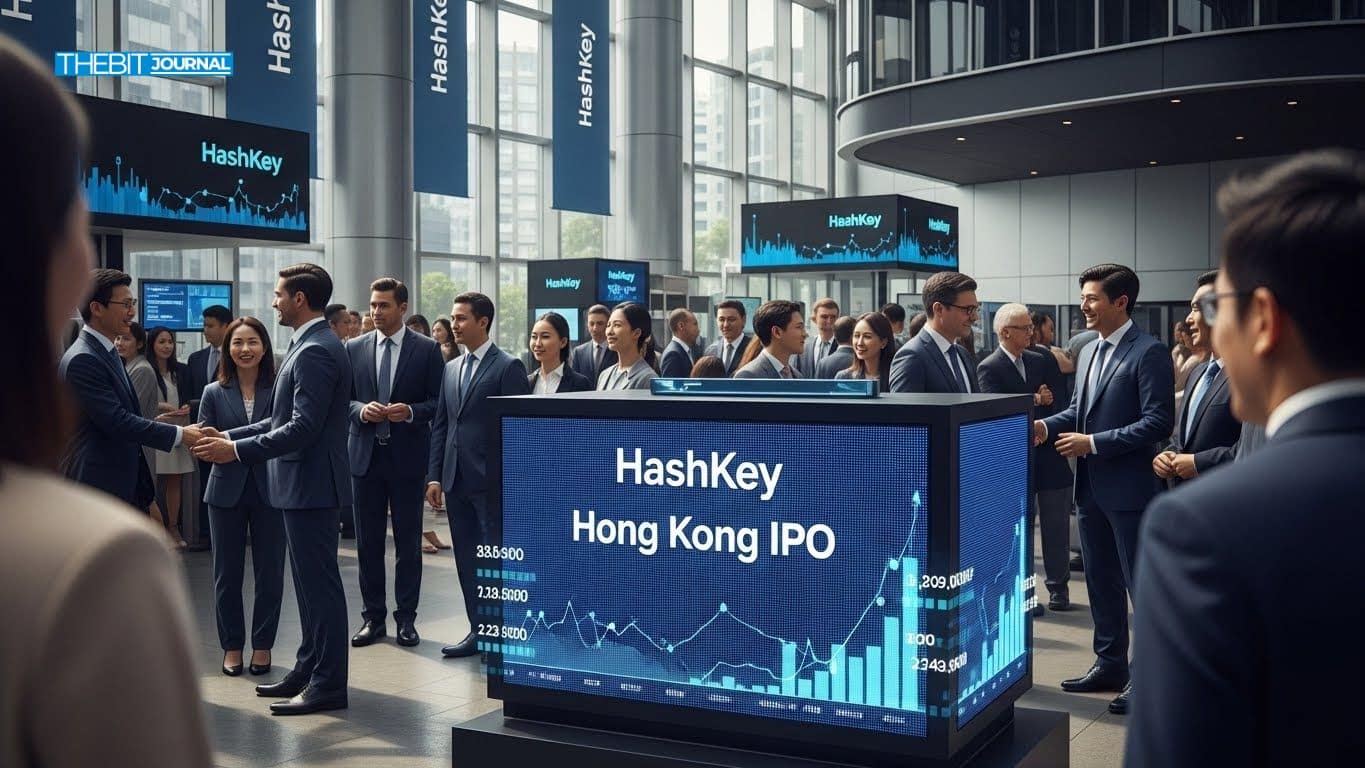
At its heart, HashKey’s strategy is built around these core ideas: being fully compliant and having the best tech.
They offer a full suite of digital-asset services, including trading, brokerage, custody, tokenization, on-chain execution, and asset management. In late 2025, HashKey’s exchange was supporting about 80 tokens and had handled a total of around HK$1.3 trillion in spot trades. That puts them at a very healthy 75% market share among Hong Kong’s licensed crypto exchanges.
HashKey’s growth has been rapid but also very expensive. The company reported losses of around HK$506 million in H1 2025 and HK$772 million in H1 2024. The full-year losses for 2024 were almost HK$1.19 billion, roughly double what they were the year before.
Management is saying that these losses are all down to the costs of getting set up the right way but CEO Xiao Feng has made it clear that HashKey will be focusing on making a profit sooner rather than later.
HashKey raised IPO funds to upgrade their tech infrastructure (40%), expand their presence in the market (40%) and beef up their risk management and operations (20%).
The firm is also making a big push into different countries. They’ve got licenses to operate in Hong Kong, Singapore, Japan, and Bermuda, and they’re working on getting the green light in the EU.
Their new MENA exchange which just launched in May 2025 is an attempt to position itself as a point of entry for crypto into Asia.
The fact that billionaire Lu Weiding is backing them helps a lot. Their other arm, HashKey Chain, is doing some work on tokenizing real-world assets, which is where Hong Kong wants the crypto industry to go.
IPO Details and Market Reception
HashKey filed the official paperwork for their IPO on December 9, 2025, hoping to raise around HK$1.67 billion. It offered 240.6 million new shares for between HK$5.95 and HK$6.95 each.
The final price was set at HK$6.68, which, of course, meant the company was valued at about HK$18-19 billion. It is worth noting that some big investors (UBS, Fidelity, CDH etc) are backing them to the tune of about $75 million.
The Hong Kong stock exchange opened on Dec 17 and whilst it was calm at first, it turned out to be a bit of a rollercoaster.
The shares jumped up by about 6.6% before then settling back down again. On the first day of trading, they closed almost flat; they were HK$6.67 when the market opened and HK$6.68 when it closed.
This made their market cap about HK$18.5 billion, which at the time was the largest of any Hong Kong crypto stock, and even bigger than OSL Group.
Trading volumes were high but there wasn’t a lot of momentum behind the stock, a reflection of the crypto market as Bitcoin had fallen by about 36% since its October peak.
By the midday trading break, HashKey’s shares were 3% down, and the Hang Seng was up a whole 0.2%.
Analysts have been talking about how HashKey has a few challenges ahead of it. Though they’re expanding fast, (trading volume was 3× OSL’s in H1 2025), HashKey also has much higher losses.
Daiwa Capital Markets have warned that Hong Kong’s market size and China’s ban on crypto could constrain HashKey.
CEO Xiao Feng has however said in interviews that he’s positive about their chances, that Hong Kong’s clear rules and guidelines will help the industry grow faster.

Deep Expert Analysis: Significance for Hong Kong’s Crypto Hub Ambitions
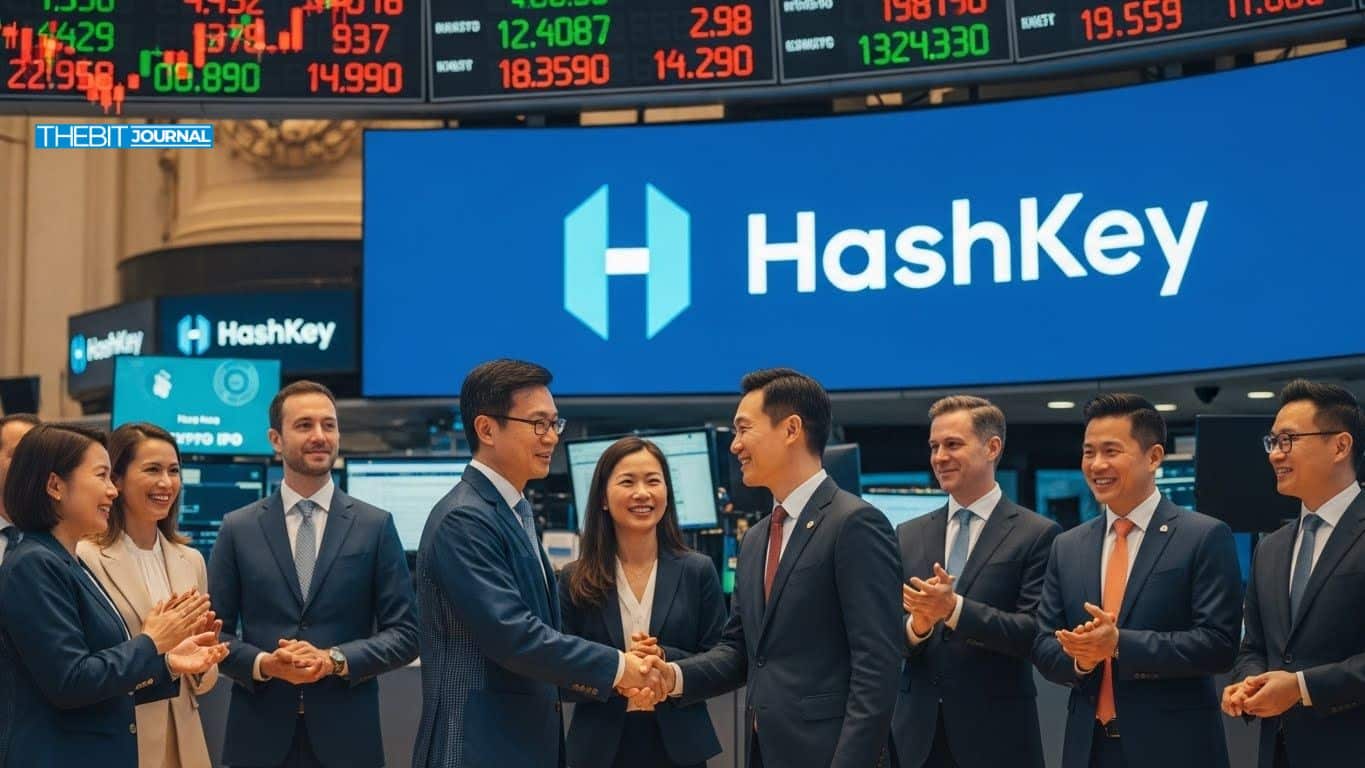
HashKey’s IPO is both financial and symbolic. As one analyst puts it; HashKey’s success puts the city right in the thick of things; a bridge between traditional finance and digital assets in Asia”.
Importantly, HashKey’s listing on the HKEX exchange shows once and for all that a crypto native company can meet the regulatory standards that most other crypto startups are struggling to meet. To get listed, HashKey had to jump through hoops – audited accounts, multi-signature custody, all the works.
The Financial Secretary, Chan, present at the ceremony, said that blockchain and crypto are crucial to Hong Kong’s future as a financial centre.
HashKey’s listing also puts a bit of pressure on its rivals. OSL, which is already listed on the exchange, saw its shares drop (-4.3%) on the day of HashKey’s IPO.
This might be because HashKey’s valuation came in higher than OSL’s.
So what does HashKey plan to do now that it’s got its IPO under its belt? Reports say the firm plans to use the proceeds to expand its services (like tokenization and DeFi products) and pursue derivatives and yield products.
Conclusion
The HashKey Hong Kong IPO is a welcome development for Hong Kong’s crypto ambitions.
The fact that it was able to attract huge demand and major backers shows that investors believe in HashKey’s strategy about compliance and tech, with global expansion on the cards.
Though the short-term market reaction was a bit volatile, HashKey’s listing is a big vote of confidence in the idea that regulated crypto infrastructure can thrive in Hong Kong.
Glossary
IPO (Initial Public Offering): When a company sells shares to the public for the very first time
Licensed Crypto Exchange: A crypto trading platform that has officially been given permission to operate by the relevant authorities.
Tokenization: Turning real-world assets like bonds and gold into blockchain tokens.
Oversubscription : When way more people want to buy shares in an IPO than there are shares available to buy.
Frequently Asked Questions About HashKey Hong Kong IPO:
What is HashKey all about?
HashKey is a digital assets firm that offers services, like a licensed crypto exchange, custody, tokenization, brokerage services and even asset management all in Asia.
Why is HashKey’s IPO such a big deal?
This is the first time a crypto business has gone public in Hong Kong. It shows that Hong Kong’s rules for crypto are working well and that the city’s industry ambitions are serious.
How much cash did HashKey raise from its IPO?
HashKey raised about HK$1.6 billion (which is about $206 million); by selling off about 240.6 million shares for HK$6.68 each.
Who put their money into HashKey’s IPO?
Nine big investors were in on the deal, including UBS Asset Management, Fidelity, CDH, and a few others, and they all committed about $75 million in total.
References