




The NFT sector is showing early signs of life again after a long cooling period. Fresh market data shows NFT market capitalization recently moved back near the $2 billion zone, with a sharp monthly rise reported across major trackers. That does not mean the old hype cycle has returned. It does mean traders are watching whether this NFT market shift is part of a wider crypto rotation into risk assets. Current data also shows activity spreading across Ethereum, Solana, Bitcoin, Polygon, Base, and other chains, which points to a broader recovery pattern rather than one isolated spike.
NFT Market Shift Shows Fresh Capital Rotation
The main reason this NFT market shift matters is simple: NFTs often move when crypto traders feel more confident. They are usually higher-risk assets, sitting further out on the crypto risk curve than Bitcoin or major altcoins. When money begins moving back into digital collectibles, gaming assets, profile-picture collections, and on-chain art, it can show that investors are becoming more willing to take chances again.
Market cap is the first key indicator as a rebound toward or above $2 billion suggests buyers are returning after months of weak demand. Still, this recovery needs context. Current live data shows the NFT market remains volatile, with daily changes still sharp enough to punish late entries. That is why market cap alone cannot confirm a full recovery.
Trading Volume Is the Second Signal
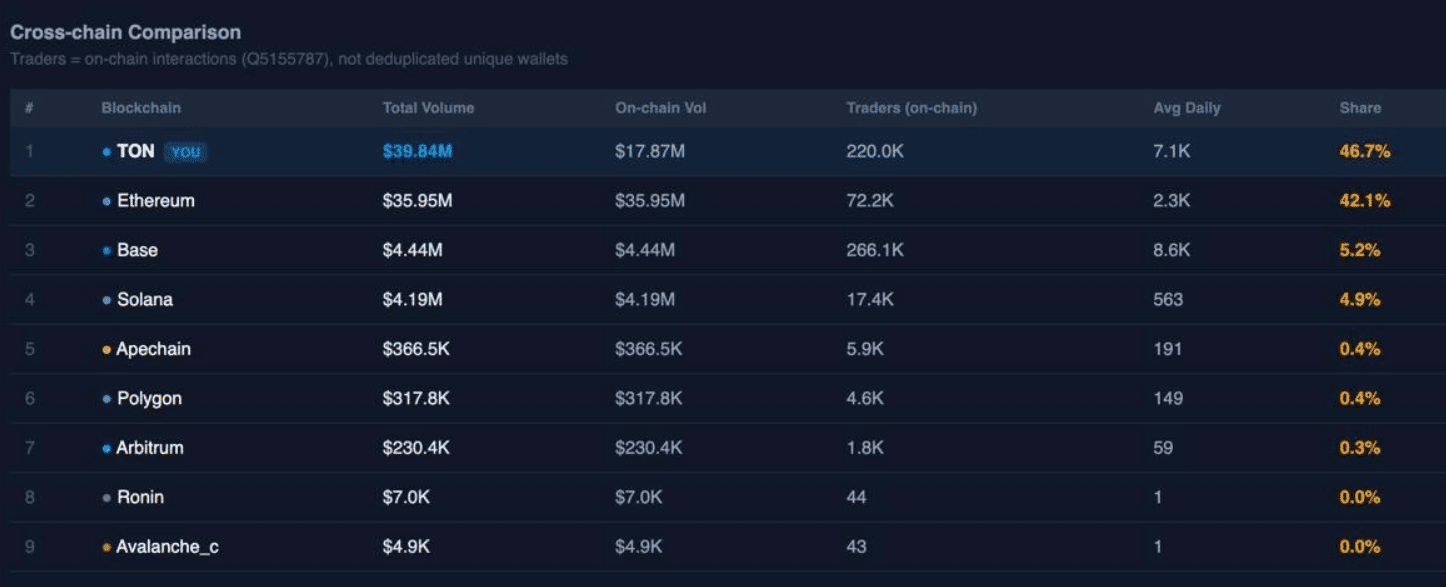
Trading volume shows whether price gains are backed by real activity. If market cap rises while volume stays thin, the move may be fragile. In this case, the NFT market shift is drawing attention because volume is no longer sitting only in one corner of the market. Activity is moving across several chains, which can make the trend healthier.
This is important because the 2021 NFT boom was heavily linked to Ethereum-based collections. Now, traders are watching newer ecosystems, lower-fee chains, gaming-linked assets, and Bitcoin-based collectibles. That wider spread may reduce dependence on one network, though it also makes the market harder to track.
Blue-Chip Collections Are Testing Demand
Blue-chip collections remain another major indicator. Reports show stronger moves in established names, including a sharp 30-day gain in Bored Ape Yacht Club floor prices and renewed attention around Pudgy Penguins. These collections matter because they often act like large-cap stocks in the NFT world. When they rise first, smaller collections sometimes follow.

But investors should not confuse a floor-price rebound with guaranteed strength. NFT prices can move fast because supply is thin. A few strong sales can lift sentiment, while weak bids can drag prices down just as quickly. That is the catch. The NFT market shift looks promising, but it still needs steady buyers, not only short bursts of speculation.
Cross-Chain Activity Adds a Different Layer
The most useful part of the current NFT market shift may be its multi-chain nature. Data trackers now list collections across Ethereum, Solana, Bitcoin, Polygon, Base, and other networks. That tells traders the market is no longer only about expensive Ethereum art or celebrity-backed collections. It is becoming a wider digital ownership sector, with assets tied to gaming, identity, community access, and collectibles.
This matters for crypto because capital rotation often starts quietly. First, Bitcoin stabilizes. Then major altcoins improve. After that, traders begin hunting for smaller, higher-risk opportunities. NFTs can sit near the end of that chain, so their recovery may show growing market confidence.
Why Crypto Traders Are Watching the NFT Market Shift
The broader crypto market has spent months digesting regulation, ETF flows, macro uncertainty, and liquidity shifts. In that setting, NFTs are not just digital art pieces. They can serve as a sentiment gauge. When traders buy NFTs again, it often means they believe liquidity is improving.
Another key indicator is participation as more wallets, more listed collections, and broader chain activity all matter. If only a few whales are trading expensive collections, the trend is weak. If mid-level traders return and sales spread across categories, the signal becomes stronger.
The NFT market shift also connects with gaming and brand-backed digital assets. Many investors are less interested in pure JPEG speculation now. They want utility, community value, gaming use, access rights, or cultural relevance. That is a more mature market, even if risks remain high.
Conclusion
The latest data suggests the NFT market shift is real enough to watch, but not strong enough to call a full comeback. A rebound in market cap, improving blue-chip floor prices, and cross-chain trading activity all point toward renewed interest. Still, the sector remains volatile, thinly traded, and sensitive to broader crypto liquidity.
For traders, the smarter read is balance. This NFT market shift may be an early sign that risk appetite is returning, but confirmation will require sustained volume, wider participation, and less dependence on short-term hype.
FAQs
What is driving the NFT market shift?
The main drivers are rising market cap, stronger blue-chip collection prices, and trading activity spreading across multiple blockchains.
Does this mean NFTs are fully back?
Not yet. The recovery has improved, but the market still needs steady volume and broader buyer participation.
Why do NFTs matter for crypto traders?
NFTs can show risk appetite. When traders move into higher-risk assets, it may signal improving confidence across crypto markets.
Which indicators should investors watch?
They should watch market cap, trading volume, floor prices, wallet participation, chain distribution, and liquidity depth.
Glossary of Key Terms
NFT: A unique blockchain-based token that can represent art, collectibles, gaming assets, access rights, or digital ownership.
Market Cap: The total estimated value of NFT collections based on floor prices and supply.
Floor Price: The lowest listed price for an NFT in a collection.
Trading Volume: The total value of NFTs bought and sold over a specific period.
Cross-Chain Activity: NFT trading across several blockchains instead of one network.
Sources
Disclaimer: This article is for informational purposes only and should not be treated as financial advice. Crypto and NFT markets are highly volatile, and readers should do independent research before making investment decisions.