




NFTs have changed how digital content is bought, sold, and shared. Art music videos and even tweets are now being sold as NFTs. This new system has created excitement but also confusion. Many people believe buying an NFT means full ownership of the content. This belief is often incorrect and leads to legal problems.
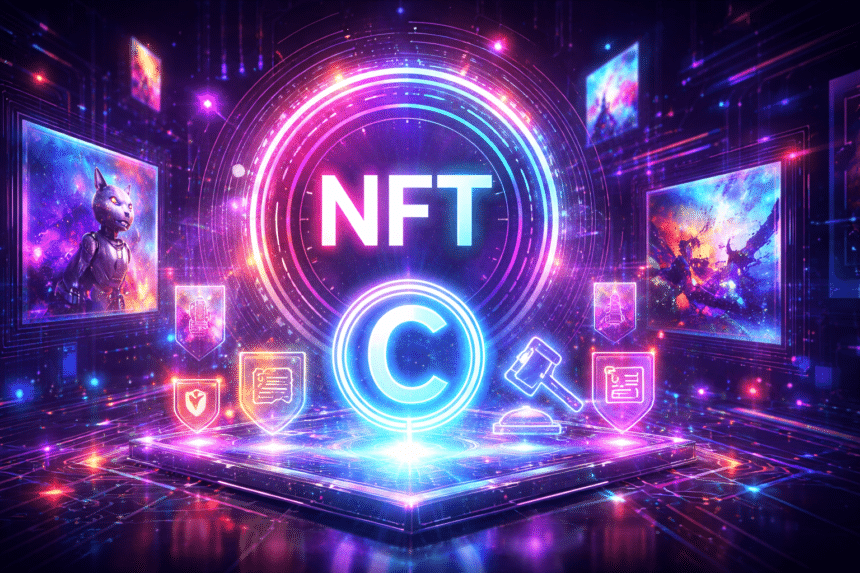
Intellectual property rights constitute the hitherto present legal regulations that safeguard artistic creations. These regulations came to existence many years back when NFT was not even in conception. Now they continue to protect the digital assets even when they are transferred on the blockchain. The copyright law remains effective in regard to NFTs. On the contrary, it is still the case that they co-exist with each other. To clarify this matter is very crucial for both the producers and consumers.
Misunderstandings are often the root cause of many conflicts in the NFT sector. For instance, there are buyers who mistakenly believe that they can do almost whatever they want with the content, including selling it. At the same time, some of the creators think that the NFTs give their works complete legal protection. The truth is that none of the situations are totally true. This article aims at providing the readers with the simplest possible explanation relating to the interaction between NFTs and intellectual property rights.
The goal is clarity. This guide explains ownership, copyright licensing risks, and future trends. Everything is explained step by step with basic language and real examples.
What Are NFTs and Why They Matter in the Digital Economy
NFT stands for non-fungible token. It is a digital token stored on a blockchain. Each NFT is unique and cannot be replaced by another token. This makes NFTs useful for proving authenticity and ownership of digital items.
NFTs attracted attention for providing the means for the digital creators to sell their work directly. An artist could sell a print or a digital image for a certain amount of money but still, someone could upload it to his/her website for free and eventually, it would be copied and shared ad infinitum, all without any proof of ownership. With the advent of NFTs, the situation became different as they made it possible for the digital creator to attach a public ownership record to his/her digital work. This ownership record indicates the wallet address of the person who created the NFT and the wallet address of the current owner.
The NFT market saw a phenomenal rise. In 2021, the worldwide NFT sales reached more than 24 billion dollars, as stated by the industry. The NFTs have still found their way in gaming, art, music, and branding despite the market slowdowns. And the big corporations are coming up with plans to use NFTs in their loyalty programs and digital identity.
NFTs are significant because they are the medium through which digital content is combined with the ownership records. Nevertheless, ownership of an NFT does not mean by default ownership of the intellectual property rights. The confusion starts precisely at this point.
| Year | Estimated NFT Sales Value | Common Use Cases |
| 2019 | Under 100 million | Digital art experiments |
| 2020 | Around 250 million | Art collectibles |
| 2021 | Over 24 billion | Art gaming music |
| 2022 | Around 25 billion | Brands metaverse |
| 2023 | Lower volume but stable | Utility NFTs |
Understanding Intellectual Property Rights in Simple Language
Intellectual property rights protect creative work. These rights apply to art music writing videos logos and designs. The goal is to give creators control over how their work is used.
Copyright is the most common IP right in NFTs. It protects original creative expression. Copyright exists automatically when a work is created. It does not require registration in many countries.
Trademarks give protection to trademarks along with brand names, logos, and symbols. On the other hand, moral rights grant the creator the right to be connected to the work. These legal protections apply to both physical and digital content. The same is true for NFTs in that they do not negate or replace these rights of authorship and rights of use.
Intellectual property (IP) rights are bound by territories, which is to say that the laws differ from one nation to another. However, the majority of countries abide by basic principles that are not very different from each other. Conversely, NFTs are enabled to be operated in the whole world but still local IP laws apply. This indeed creates a complicated situation but nonetheless offers protection.
The Difference Between Owning an NFT and Owning the Copyright
Buying an NFT means owning the token. The token points to a digital asset. This ownership is recorded on the blockchain. It proves the authenticity and ownership of that token only.
In some other places, copyright is a totally different thing. Copyright enforces reproduction, distribution, modification, and the high-end sale of the work. Copyright is mostly, if not always, in the hands of the creator unless explicitly transferred. Copyright, in most NFT sales, is not transferred at all.
This concept can be easily demonstrated by a simple example. The purchase of a signed poster does not include the printing of more posters or the right to do so. The same reasoning holds true in relation to the NFTs. The ownership of the NFT carries no rights at all unless it is unambiguously stated.
This wrong perception leads to a great number of arguments. Usually, the purchasers think that the commercial rights are there, while the artists think the buyers are aware of the limitations. Unambiguous licensing is the solution to the problem of misunderstanding.
| Aspect | NFT Ownership | Copyright Ownership |
| Proof of ownership | Yes | Not required |
| Right to resell | Usually yes | Not applicable |
| Right to copy | No | Yes |
| Right to modify | No | Yes |
| Right to commercial use | Only if licensed | Yes |
How NFT Licensing Works and Why It Matters
Licensing defines how an NFT can be used. Licenses are legal agreements. They explain what buyers can and cannot do with the content.
Personal use is allowed with some NFTs only. Others have a commercial use of limited extent. Very few provide total commercial rights. It all depends on the license that goes with the NFT sale.
Licenses may be displayed on the marketplace page or may be linked to an external site. Smart contracts can mention licenses, but they are not legal documents on their own. Written terms are still necessary.
Licensing protects both sides. Buyers know what they can do. Creators keep control over their work. Clear licenses reduce disputes and increase trust in the NFT market.
What Rights NFT Buyers Actually Receive
NFT buyers usually receive ownership of the token and display rights. Display rights allow showing the NFT on digital platforms and personal websites.
Resale rights are widespread. The new owner can sell the NFT again to a different person. Certain smart contracts even provide for creators’ royalties during resale.
Commercial rights are not given automatically. An NFT artist’s permission is usually required for using the artwork in products, advertising, or branding. Such unlicensed use may infringe copyright law.
Understanding actual rights prevents legal problems. Buyers should always check license terms before using NFTs beyond personal enjoyment.
What Rights NFT Creators Keep After Selling an NFT
Creators usually keep copyright even after selling NFTs. This means they control reproduction distribution and future licensing.
Creators may also earn royalties through smart contracts. This allows income when NFTs are resold. However royalties depend on marketplace enforcement.
Creators can mint multiple NFTs of the same work unless exclusivity is promised. NFTs do not always represent exclusive ownership unless clearly stated.
Creators benefit from NFTs when licenses are clear. This protects long term value and reduces misuse of creative work.
Common NFT Intellectual Property Disputes and Legal Conflicts
Disputes over NFTs at times arise due to unauthorized minting. The act of minting NFTs with the use of someone else’s artwork is a violation of copyright law.
Another matter is that of brand misuse. Unapproved usage of logos and trademarks occurs now and then. Brands take imminent steps to safeguard their identity in the NFT areas.
There are some conflicts regarding customers that are using NFTs for commercial purposes without having the rights. Protests from the side of creators claiming their rights and misrepresentation of ownership simultaneously exist. Gradually, legal systems are dealing with these matters.
Marketplaces respond with takedown systems. But enforcement is still developing. Legal clarity continues to evolve.
| Dispute Type | Cause | Who Is Affected |
| Unauthorized minting | Copyright theft | Creators |
| Trademark misuse | Brand infringement | Companies |
| License misuse | Buyer confusion | Buyers |
| Royalties conflict | Platform enforcement | Creators |
NFTs and Copyright Infringement Risks for Buyers and Platforms
When copyrights are violated by NFTs, buyers have a risk to deal with. No legal claims can be made just because an NFT is bought. Being the holder of a token does not mean having the legal rights.
There is also a risk for the platforms. They are depending on the safe harbor rules but at the same time must react to the complaints. Quite a number of the platforms are very fast in taking down the infringing NFTs.
Due diligence is significant. Verifying creator identity and clarifying license will lower the risk. More and more platforms are incorporating verification tools for user protection.
Legal awareness is growing. As NFTs mature compliance becomes more important.
How Trademarks Apply to NFTs and Digital Collectibles
Trademarks protect brand identity. Using logos names or slogans in NFTs without permission can violate trademark law.
Brands actively monitor NFT marketplaces. Many have taken legal action against misuse. Trademarks apply even if NFTs are artistic.
Trademark infringement differs from copyright infringement. Trademark focuses on consumer confusion. NFTs that suggest brand endorsement can violate law.
Understanding trademark rules protects creators and buyers from legal trouble.
The Future of NFTs and Intellectual Property Law
Regulators now study NFTs closely. Legal clarity is increasing. Standardized licenses may become common. Platforms may enforce IP rules more strictly.
NFT adoption depends on trust. Clear IP frameworks support sustainable growth. Legal systems continue adapting to digital ownership.
Frequently Asked Questions
Does Buying an NFT Mean Full Ownership of the Artwork
In most instances, purchasing an NFT does not entail complete ownership of the artwork. The NFT signifies possession of the token that is documented on the blockchain. The copyright and the intellectual property rights typically remain with the artist unless they are explicitly transferred through a licensing agreement or a written contract. Consequently, unauthorized reproduction sale alteration of the artwork is not allowed. Grasping this distinction assists in preventing legal misunderstandings and improper use.
Can NFT Artwork Be Used for Commercial Purposes
NFT artwork can only be used for commercial purposes if the license allows it. Most NFTs are sold with personal use rights only. Commercial use such as selling products advertising or branding requires explicit permission from the creator. Some NFTs offer limited or full commercial licenses but this must be stated clearly. Using NFT art commercially without permission may lead to copyright infringement issues.
What Happens If an NFT Violates Copyright or Trademark Laws
If an NFT violates copyright or trademark laws it can be removed from marketplaces. Platforms usually respond to takedown requests from rights holders. Buyers may lose access to the NFT even if it was purchased legally. Creators who mint content they do not own may face legal action. These risks show why verifying ownership and licensing is important before minting or buying NFTs.
Summary
NFTs represent ownership of tokens not automatic ownership of content rights. Copyright usually stays with creators unless transferred. Licenses define usage rights. Understanding them prevents disputes.
NFTs and IP law work together not separately. Knowledge protects both buyers and creators. Clear rules build a stronger digital economy.