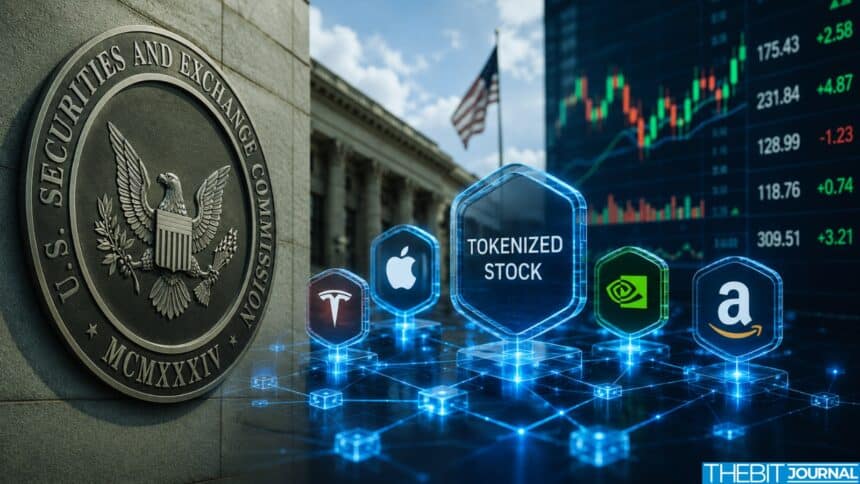

This article was first published on The Bit Journal. A new proposal from the U.S. Securities and Exchange Commission (SEC) could significantly reshape the future of tokenized stocks by removing regulatory hurdles that have long prevented decentralized finance platforms from offering compliant trading of U.S. equities.
SEC Targets Rules Limiting Tokenized Stocks
The SEC proposed removing two provisions from its “National Market System” rules that critics say are incompatible with blockchain-based trading models on Thursday. The relocation is seen as a significant development in bridging the gap between conventional financial systems and the world of decentralized finance (DeFi), and in driving the mainstreaming of tokenized stocks.
The first rule in question, referred to as Rule 611, is known as the “trade-throughs” rule. This means that if there is a better offer on another exchange, then an order placed on the first exchange will not be offered the same price. Rule 610(e) prevents exchanges from offering bids that are at or below other bids that are currently on competing exchanges.
AMMs Clash With SEC Requirements
Alex Thorn, head of research at Galaxy, says removing these requirements could be a turning point for tokenized stocks. He said that the existing system is essentially denying access to decentralized trading systems in the equity markets of the United States.
AMMs, the technology behind many decentralized exchanges, trade based on liquidity pool prices instead of checking out the available quote on various marketplaces. AMMs can’t meet the trade-through requirement due to this design.
the SEC just proposed rescinding Rule 611 of Reg NMS, the trade-through rule that has defined US equity market structure since 2005
this is a tradfi story, yes, but this is also one of the biggest unlocks yet for tokenized stocks 👇 pic.twitter.com/T0PJvWxysI
— Alex Thorn (@intangiblecoins) June 11, 2026
In Thorn’s words, an AMM cannot simply try to cease the transaction just because it finds a more advantageous price elsewhere. Consequently, liquidity pools that offer tokenized stocks will continue to breach the rules and, in some cases, be deemed to be operating in violation of the law.
AMM Pricing Challenges Regulatory Compliance
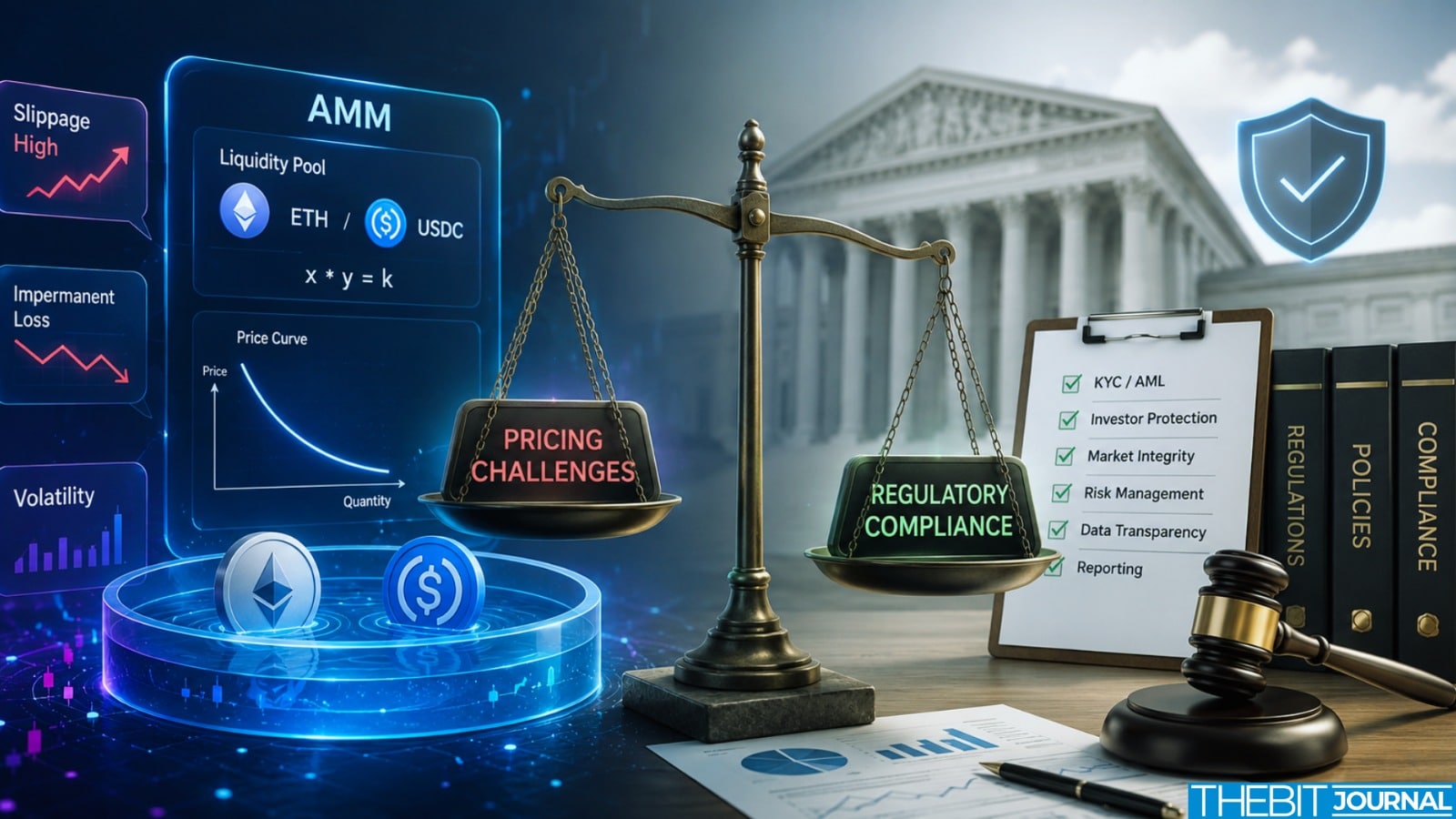
He also said the price of AMM products keeps changing as trading goes on, and it is hard to meet the requirements for strict quote protection. These restrictions have been one of the primary causes that have hindered wider adoption of tokenized stocks in the decentralized market.
The SEC should move toward a more general “best execution” standard rather than continuing the existing framework. This would mean companies would have to find a way to work towards investor-friendly outcomes without mandating specific technical conditions that decentralized protocols and the development of tokenized stocks are lacking.
Tokenized Stocks Move Toward Mainstream Adoption
The move is in line with the SEC’s overall initiatives to modernize digital asset regulations. Since the project’s August 2025 debut, the agency has been making strides to accommodate blockchain innovation and to allow tokenized stocks in U.S. financial markets.
The SEC has started a 60-day public comment period before deciding on the final rules. The proposal comes after earlier plans to allow tokenized stock trading were stalled after the traditional exchanges voiced concerns about its implementation. The new changes, if approved, may represent a significant step towards the mainstream adoption of tokenized stocks.
Conclusion
The SEC is actively seeking public comments as it evaluates the proposal, and its ultimate decision may dictate the pace of tokenized stocks becoming a reality. The regulatory change, if approved, could lead to increased institutional adoption and greater integration of traditional finance and decentralized markets.
Follow us on Twitter and LinkedIn, and join our Telegram channel to be instantly informed about breaking news!
Summary
- The SEC proposed rule changes that could unlock tokenized stocks in DeFi.
- Current regulations make it difficult for AMMs to support tokenized stocks legally.
- A new execution framework could accelerate tokenized stocks adoption.
Glossary of Key Terms
Tokenized Stocks: Blockchain-based versions of traditional shares.
SEC: U.S. securities market regulator.
DeFi: Finance without traditional intermediaries.
NMS: Rules governing U.S. stock markets.
Rule 611: Requires the best available trade price.
Rule 610(e): Limits conflicting price quotes.
AMMs: Protocols that automate trading.
Liquidity Pools: Funds used for decentralized trading.
Blockchain: A decentralized transaction ledger.
DEXs: Peer-to-peer trading platforms.
Frequently Asked Questions about Tokenized Stocks
What are tokenized stocks?
Blockchain-based versions of traditional shares.
Why is the SEC changing the rules?
To support innovation and enable compliant tokenized stock trading.
Why do AMMs face compliance issues?
They use liquidity pool pricing instead of the best market-wide quotes.
What could these changes mean for tokenized stocks?
They could accelerate adoption and attract institutional interest.
Reference
Disclaimer
The article is purely informational and it is not a financial, investment, or a trading advice. Cryptocurrencies are extremely risky and volatile. Before investing, the readers are to conduct personal research and seek the advice of a qualified financial expert.