




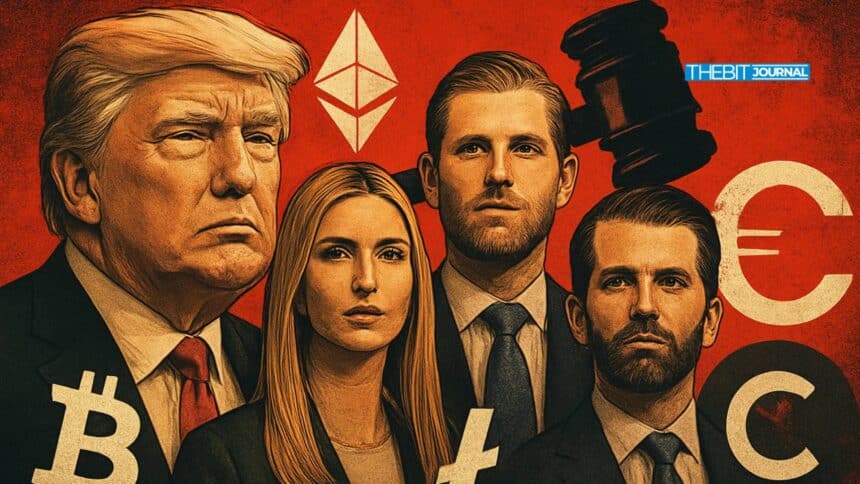

Trump SEC crypto cases are back in focus in Washington after a New York Times report questioned whether major crypto rollbacks during President Donald Trump’s second term were linked to political or business connections.
While the investigation does not claim that any laws were broken, it highlights trends that have renewed attention on how crypto enforcement decisions were handled in 2025. The findings come at a critical time for U.S. crypto policy, as lawmakers are still debating market structure and stablecoin laws, while regulators review how crypto enforcement was handled in the past.
Why did crypto enforcement change after Trump returned to office?
The issue began after President Trump returned to the White House and his administration changed its approach to crypto regulation. During this period, the Securities and Exchange Commission paused, settled, or dropped a significant number of enforcement actions that had been started under the Biden administration.
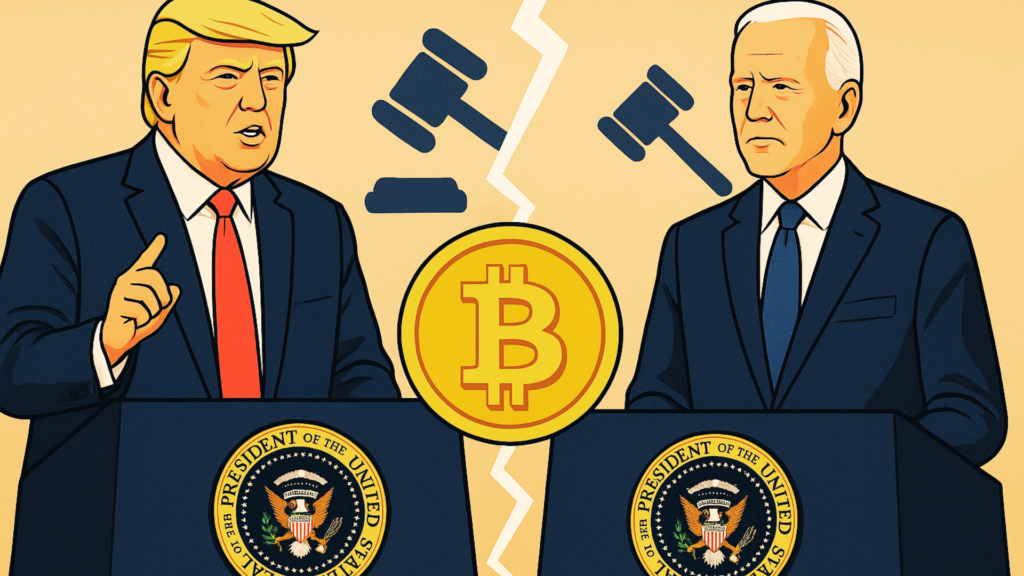
The debate mainly centers on Trump SEC crypto cases, which the New York Times says were dismissed at a much higher rate than cases in other industries. About 33% of crypto cases from the Biden era were dropped, compared with roughly 4% in other sectors. This sharp difference has raised questions about why crypto cases were treated so differently.
How extensive were the dismissed crypto investigations?
A total of 14 major crypto investigations were later dropped or settled. In more than half of those cases, the companies involved went on to establish close links with the Trump administration, either before their legal matters were resolved or shortly afterward.
Several of these Trump SEC crypto cases involved some of the most influential firms in the digital asset space. The unusually high number of rollbacks, combined with the timing of new political or business relationships, has strengthened calls for greater transparency in how enforcement decisions were reached.
Which companies benefited from regulatory relief?
Several major crypto companies were highlighted in the report. Coinbase saw its lawsuit dismissed after backing Fairshake, a pro-crypto super PAC active during the 2024–2025 election cycle. The exchange also launched Stand With Crypto, an advocacy group that supports lawmakers pushing for digital asset-friendly policies.
Binance was another high-profile beneficiary. In May, the SEC dropped a civil case accusing the exchange of operating an unregistered platform in the United States. Months later, founder Changpeng Zhao received a presidential pardon.
The report noted that the resolution of the Binance case came as Zhao was involved in developing and promoting World Liberty Financial’s USD1 stablecoin, a project linked to Trump-aligned interests. Just weeks before the case was dismissed, Binance participated in a $2 billion business transaction that used digital currency issued by World Liberty.
That deal is expected to generate tens of millions of dollars annually for the Trump family. Similar patterns were also observed in cases involving Consensys, Cumberland, Kraken, Tron, and Ripple, further intensifying scrutiny around Trump SEC crypto cases.
Did political or business ties influence enforcement decisions?
The close connection between regulatory relief and political or financial ties has raised concerns about a possible pay-to-play situation. Democrats have pointed to these Trump SEC crypto cases as potential conflicts of interest, especially since the Trump family is expanding its activities in crypto mining, DeFi lending, memecoins, and stablecoins.
This issue almost blocked progress on the GENIUS Act, an important stablecoin bill, and has come up again during discussions on a wider crypto market structure law. Critics say that dismissing cases with prejudice, which prevents them from being reopened by a future SEC, makes these decisions more impactful and limits future regulatory control.
How has the SEC responded to allegations of favoritism?
Regulators have strongly denied that political bias influenced their decisions. SEC Commissioner Hester M. Peirce defended the rollbacks, saying many of the cases did not have a strong legal basis from the beginning.
Peirce explained that the earlier drastic actions were taken on cases that lacked proper legal justification and that the enforcement decisions were based on legal interpretation, not political pressure.
Republican commissioners have supported this view, pointing out that disagreements within the SEC over its authority to regulate crypto existed before President Trump publicly supported the industry. From this perspective, the Trump SEC crypto cases are seen as a correction of previous enforcement rather than a sign of favoritism.
What does this mean for future crypto regulation in the U.S.?
For now, many of the dismissed Trump SEC crypto cases are permanently closed, preventing a future SEC from reopening them. Despite this, uncertainty remains. Analysts caution that if Democrats regain control, new laws or enforcement actions could bring regulatory challenges back.
Investors and traders tracking assets like $BTC and other major tokens are paying close attention, as changes in political leadership could once again affect the compliance and regulatory environment.
Conclusion
Trump SEC crypto cases are under intense scrutiny following a New York Times investigation. Supporters say the rollbacks addressed cases that lacked strong legal grounds, while critics highlight concerns about overlaps between enforcement relief and private financial or political benefit.
The debate has grown beyond individual lawsuits. It now raises broader questions about trust in regulatory institutions, the line between politics and markets, and how the U.S. will manage a rapidly evolving crypto economy in the years to come.
Glossary
Pay-to-Play: When companies benefit because of political or business links.
GENIUS Act: A U.S. law proposal for regulating stablecoins and crypto markets.
Crypto Rollbacks: Cases that regulators pause, settle, or drop.
Stablecoin: A cryptocurrency that keeps a steady value, usually tied to a dollar.
Memecoins: Joke or trend-based cryptocurrencies popular on social media.
Frequently Asked Questions About Trump SEC Crypto Cases
Why did crypto enforcement change under Trump?
Crypto enforcement changed because the Trump administration paused, settled, or dropped many cases started under the Biden administration.
How many crypto cases were dismissed in 2025?
A total of 14 major crypto cases were dismissed or settled in 2025.
Which companies benefited from these dismissals?
Companies like Coinbase, Binance, Consensys, Cumberland, Kraken, Tron, and Ripple benefited from these dismissals.
Are these cases permanently closed?
Yes, many of the dismissed cases were closed with prejudice, so they cannot be reopened by a future SEC.
Did the SEC admit any favoritism?
No, the SEC said the cases were dismissed because many did not have a strong legal basis, not because of favoritism.
Sources