




Altcoins Explained: What They Are and Why They Matter
When Bitcoin was initially introduced in 2009, it laid the groundwork for digital currency. However, the cryptocurrency world did not end there. Developers began to create alternatives, experimenting with new concepts that Bitcoin could not handle. These alternatives became known as altcoins, which is short for “alternative coins.”
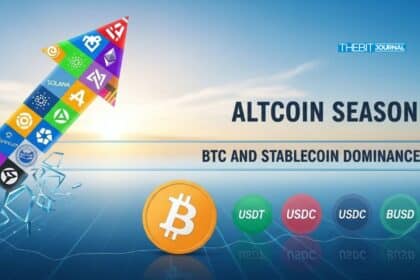
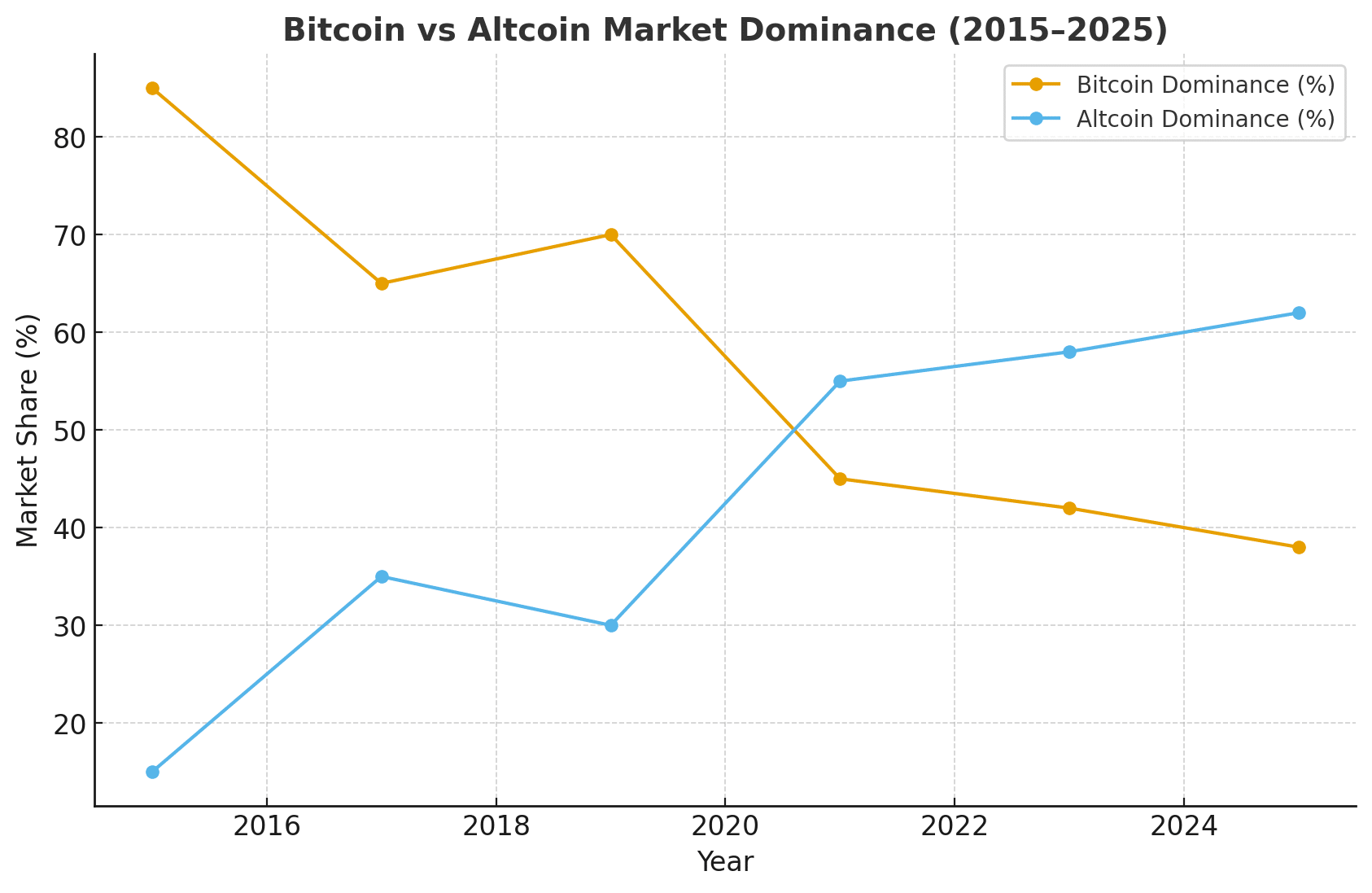
Altcoins are important because they extend the capabilities of blockchain beyond peer-to-peer payments. They power decentralized banking, gambling, asset tokenization, and several other advancements. Altcoins account for more than 60% of the worldwide crypto market valuation, indicating that their position is no longer secondary but vital.
Bitcoin vs. altcoins: the key difference
Bitcoin was intended to serve as both digital payment and a store of value. Its network promotes security and scarcity, with only 21 million coins ever created. Altcoins, on the other hand, have greater applications. Ethereum, for example, allows developers to build smart contracts, which are self-executing agreements coded directly on the blockchain.
While Bitcoin continues to dominate the market, altcoins cover holes that Bitcoin cannot. Some cryptocurrencies aim for speedier transactions, while others prioritize anonymity, and even others build entire ecosystems around decentralized apps. Blockchain expert Gavin Wood famously said, “Bitcoin is digital gold, but altcoins are digital laboratories.”
Why altcoins drive innovation in cryptocurrency
Altcoins drive blockchain technology forward. They evaluate innovative economic models, governance systems, and real-world utilities. According to Chainalysis research, decentralized finance (DeFi), mostly fueled by cryptocurrencies, will account for more than $150 billion in locked value by 2024.
This experimentation promotes widespread acceptance. Stablecoins, which are altcoins tied to established currencies, are becoming increasingly popular for payments and transfers. Meanwhile, social media groups are abuzz with debates on Solana’s pricing potential, with traders emphasizing its quickness and cheap costs as key advantages.
Types of Altcoins and Applications
Not every altcoin is the same. They may be classified by their primary functions, with each playing a distinct part in the ecosystem.
Payment-focused cryptocurrencies favor quicker and cheaper transfers over Bitcoin. Utility coins provide access to certain systems, such as decentralized exchanges. Governance tokens grant holders voting rights in project decisions. On the blockchain, security tokens reflect asset ownership, just like stocks or bonds do.
Each kind highlights the industry’s variety. By merging several cryptocurrencies, investors and developers create ecosystems that resemble traditional finance yet operate fully on decentralized rails.
Altcoin Market Trends and Key Indicators:
Altcoin performance is tracked using a variety of market indicators. Price trends, trade volume, and total value locked are among the most often monitored. Analysts also track on-chain activities, like as wallet growth and smart contract interactions, to assess acceptance.
For example, an increase in daily active wallets frequently indicates increased demand for a project’s token. Similarly, higher institutional inflows indicate greater investor confidence. CoinGlass data recently indicated that cryptocurrency futures trading volume exceeded $100 billion in a single month, indicating increased trader interest.
Risks and Regulatory Considerations
Altcoins pose hazards. Prices are more volatile than Bitcoin, making them less predictable. Smart contracts can be vulnerable, allowing for exploits or attacks. Regulatory ambiguity also looms over their future, as nations debate how to categorize and control them.
The MiCA framework of the European Union, as well as SEC judgments in the United States, are influencing how altcoins are regulated. Investors must be aware of these changes, since they have a direct influence on token usefulness and adoption.
“This post is intended for informative purposes only and does not provide financial advice. Readers should do their own research before making any investing decisions.
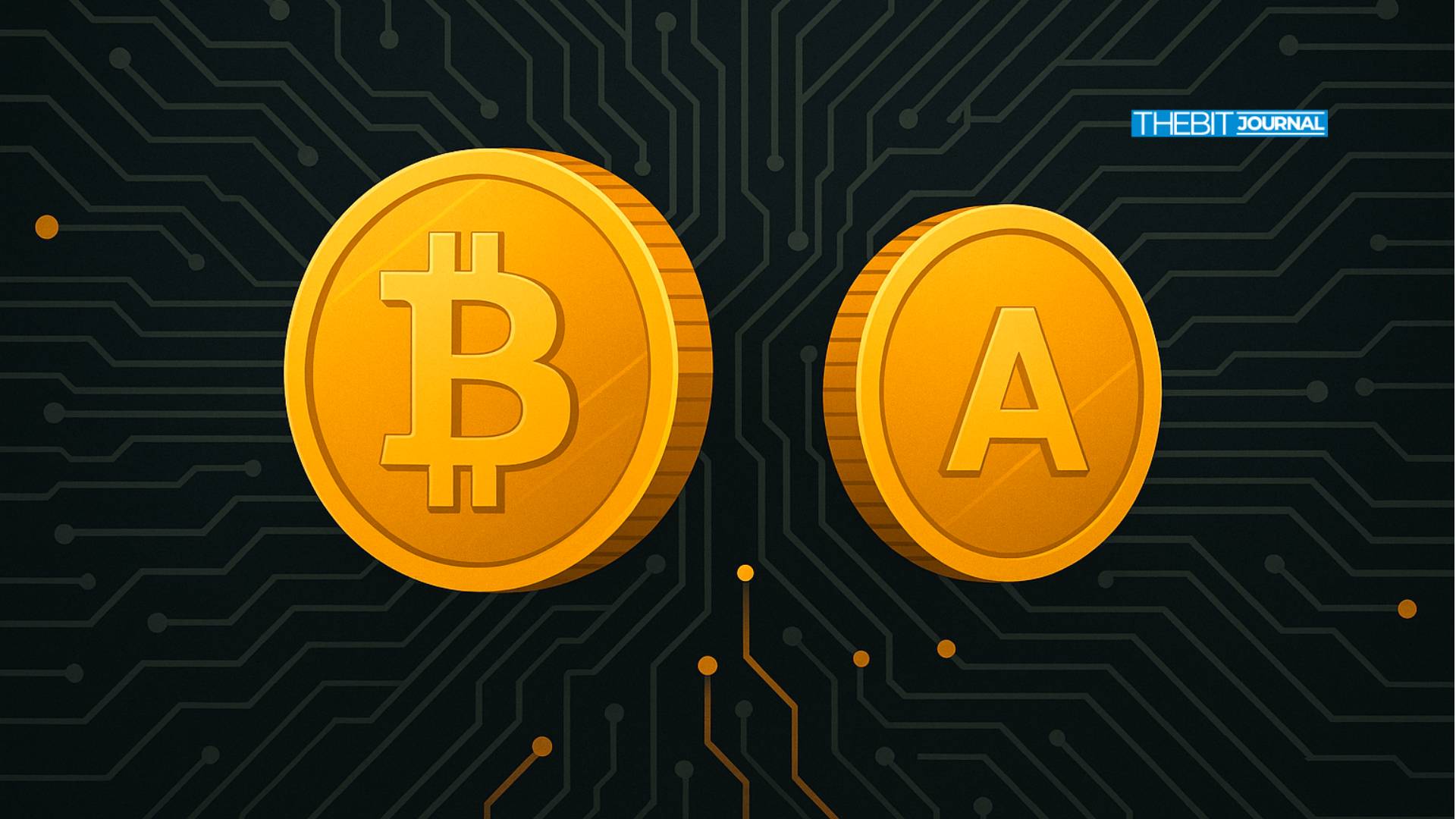
Real-world examples of altcoin adoption
Altcoins are more than simply speculative assets; they form the foundation of emerging digital economies. Payment networks are experimenting using stablecoins to lower cross-border fees. Game makers are introducing play-to-earn ecosystems powered by in-game tokens. Financial institutions are investigating tokenized bonds and real estate using blockchain technology.
These real-world applications demonstrate why altcoins are critical to cryptocurrency’s long-term success. They show how blockchain has the ability to transcend beyond trade and into businesses that touch people’s daily lives.
The Future of Alternative Coins in a Bitcoin-Dominated World
Bitcoin is projected to remain the dominating digital asset because to its brand, scarcity, and security. Altcoins, on the other hand, are establishing their own market. They are demonstrating that blockchain is not a one-coin revolution, but rather a varied and growing ecology.
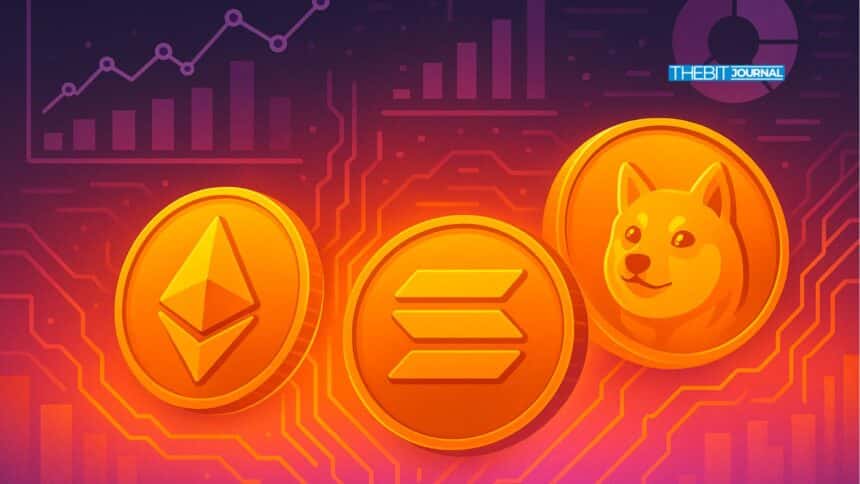
As communities discuss currencies such as Solana, Cardano, and Avalanche on forums and social media, one thing is clear: altcoins are here to stay. Their impact on economics, technology, and digital culture is merely beginning.
Conclusion: Why Altcoins Deserve Attention
Altcoins are more than simply alternatives to Bitcoin. They represent the innovation and ambition of blockchain developers globally. They are changing people’s perceptions of money and ownership by introducing speedier payments, programmable contracts, and tokenized assets.
Understanding altcoins has become essential for traders, financial students, and analysts. It is critical to understand where cryptocurrency is headed. The ecosystem is fast expanding, and those who understand the significance of cryptocurrencies will be most equipped to navigate this digital frontier.
FAQs for Altcoins
1. What makes an altcoin different from Bitcoin?
Altcoins expand blockchain use cases beyond digital money, offering faster payments, smart contracts, and decentralized applications.
2. Are altcoins riskier than Bitcoin?
Yes, altcoins tend to be more volatile, face smart contract risks, and operate under shifting regulations.
3. Why are analysts talking about Solana?
Solana is gaining attention for its high-speed transactions and growing community activity, sparking speculation about its long-term price potential.
4. Can altcoins replace Bitcoin?
Unlikely. Bitcoin’s security and scarcity give it dominance, but altcoins provide innovations Bitcoin does not.
5. Are altcoins used outside of trading?
Yes, altcoins power payment systems, DeFi, gaming, and tokenized assets across industries.
Glossary of Key Terms
Altcoin: Any cryptocurrency other than Bitcoin.
Smart Contract: A self-executing agreement stored on a blockchain.
Stablecoin: An altcoin pegged to a fiat currency for price stability.
Governance Token: A token granting voting rights in project decisions.
Tokenization: Converting assets like real estate into blockchain tokens.
Market Capitalization: The total value of a cryptocurrency’s circulating supply.