




This article was first published on The Bit Journal.
The tokenized assets market cap is no longer a niche metric followed only by blockchain insiders. It now signals a more profound shift in how value moves across modern markets. From stablecoins to tokenized funds, digital versions of tangible assets are steadily gaining trust and traction.
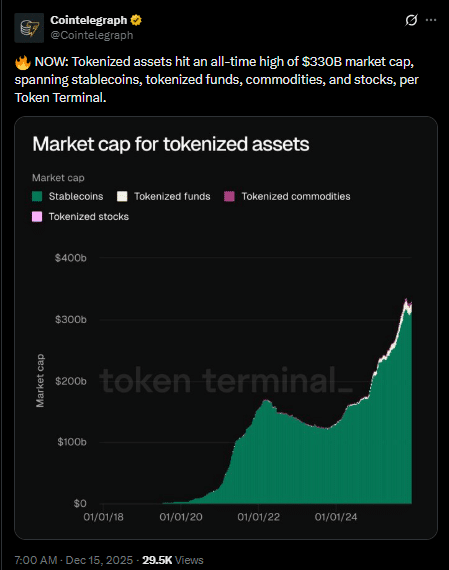
The recent surge has sharpened global attention. According to the source, data from Token Terminal shows the total value of tokenized assets reaching $330 billion. This figure brings together stablecoins, tokenized commodities, funds, and equities, all built on blockchain networks that promise speed and clarity.
Behind the number sits a simple idea. Asset tokenization wraps traditional assets in digital form, allowing them to trade on-chain. Instead of paperwork and long settlement cycles, ownership updates are delivered in real time. For investors, that shift feels practical, not theoretical.
Stablecoins Quietly Power the Market Engine
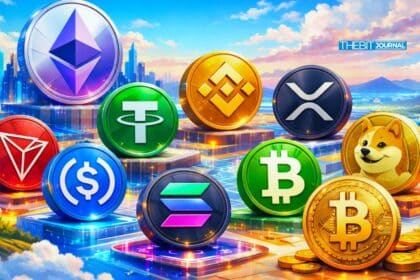
A large share of the tokenized assets market cap comes from stablecoins. CoinMarketCap data confirms that USDT and USDC together account for more than $150 billion in value. These tokens act like digital cash. Traders use them for liquidity. Institutions use them for settlement. Developers use them as building blocks.
This dominance explains why asset tokenization first gained momentum through payments. Stablecoins solved a clear problem. They moved money faster and cheaply. Once trust was formed, the same rails became attractive for bonds, funds, and other yield products.
Tokenized Assets Market Cap Reflects Changing Behavior
The rise in the tokenized assets market cap points to changing habits, not just new tools. Investors now expect markets to stay open around the clock. Tokenized assets meet that demand. They trade without pause and settle without delay.
Studies shared by global consulting firms suggest tokenization could reduce post-trade costs by up to 30 percent. Smart contracts automate tasks once handled by layers of intermediaries. That efficiency draws attention from asset managers who operate on thin margins.
Where Asset Tokenization Is Spreading Next
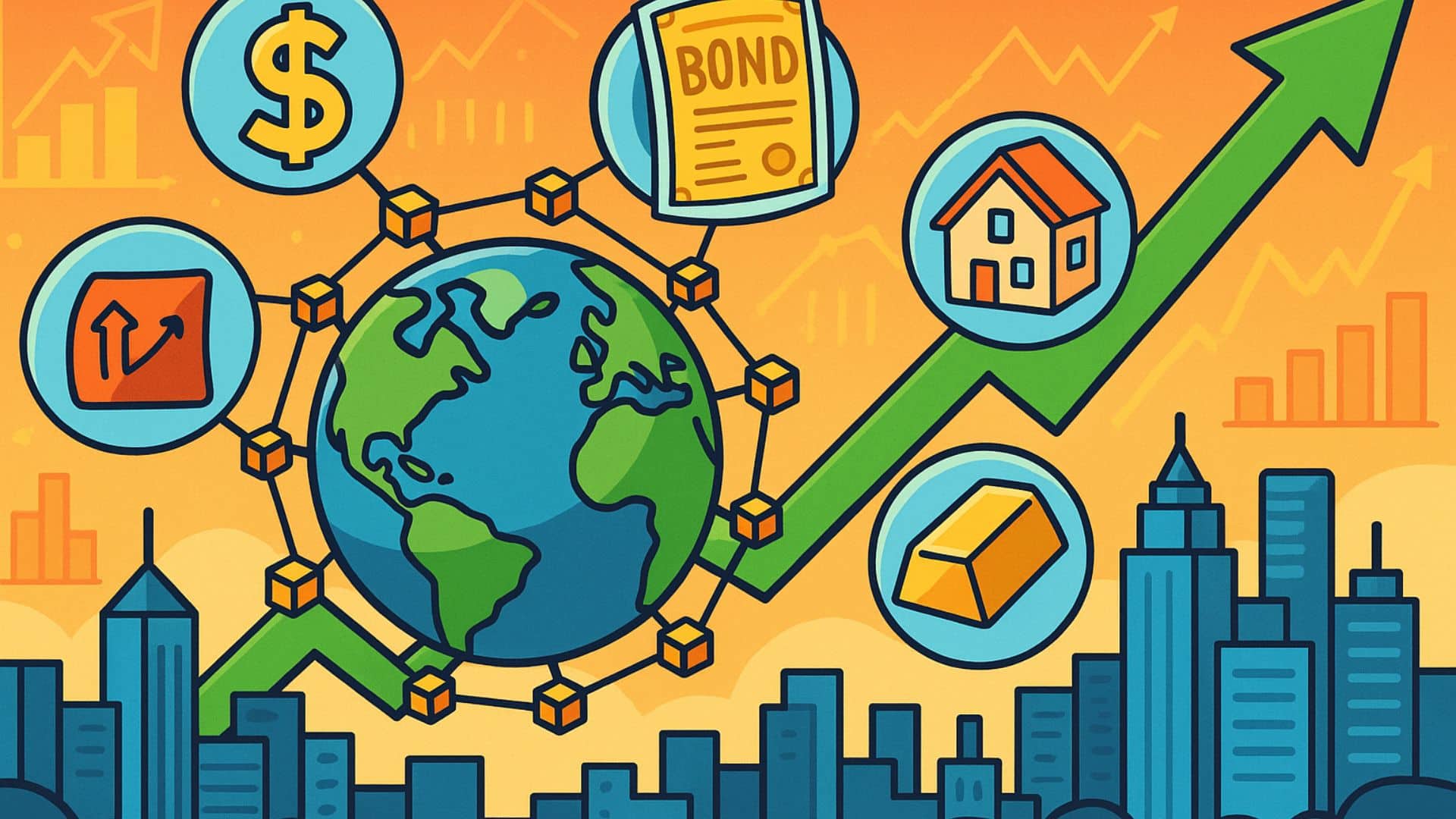
Beyond stablecoins, asset tokenization is expanding into bonds, commodities, and real estate. Tokenized Treasury products already offer on-chain yield. Tokenized gold tracks spot prices closely. Real estate tokens allow shared ownership of properties once out of reach.
Each case adds weight to the tokenized assets market cap. This is no longer a single product market. It mirrors traditional finance, just in digital form. Analysts often describe it as familiar assets moving on faster rails.
Risks That Still Shape the Conversation
Growth does not erase risk. Regulation remains uneven. Some tokenized stocks do not grant voting rights or dividends. European regulators have warned that investors must understand what a token represents before buying. Education matters as much as technology.
Still, asset tokenization continues to advance because the benefits remain clear. Transparency improves. Settlement risk drops. Access widens. Those advantages continue to attract serious capital.
Conclusion
The climb in the tokenized assets market cap marks a quiet turning point. Blockchain is no longer testing ideas. It is processing real value at scale.
For students, developers, and analysts, learning how asset tokenization works is no longer optional. It offers insight into how tomorrow’s financial systems may operate, not in theory, but in daily practice.
Glossary of Key Terms
Tokenized Assets: Digital representations of tangible or financial assets recorded on a blockchain.
Asset Tokenization: The process of converting ownership rights into blockchain-based tokens.
Stablecoin: A digital asset designed to maintain stable value, often pegged to fiat currency.
FAQs About Tokenized Assets Market Cap
1. What drives the tokenized assets market cap growth?
Stablecoin adoption, institutional interest, and faster settlement systems.
2. Are tokenized assets regulated?
Rules vary by region and asset type and continue to evolve.
3. Do tokenized stocks equal real stocks?
Some mirror prices only and may not include shareholder rights.
4. Why is asset tokenization important for finance?
It improves speed, lowers costs, and expands market access.
Sources/References