











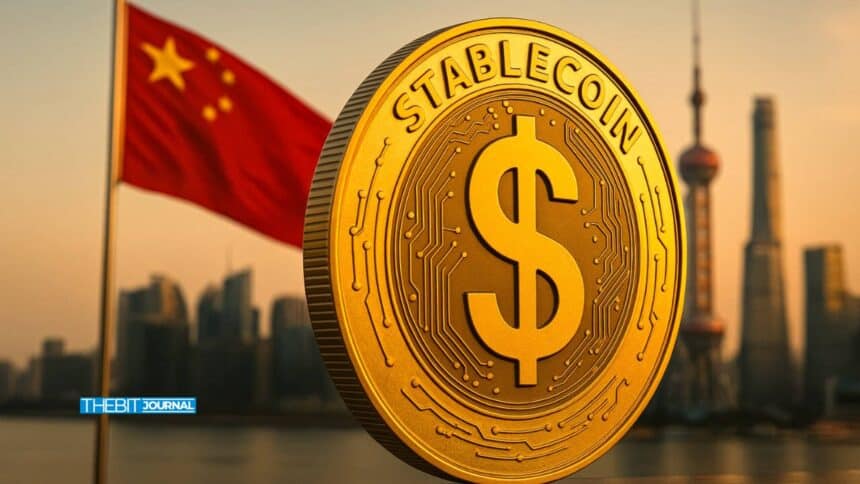

According to recent reports, China stablecoin risks are emerging as a serious concern for monetary stability. A former central bank chief warned that even fully backed stablecoins could amplify financial instability and undermine capital control. The issue now sits at the heart of policy, market strategy, and global currency politics.
Warnings from a Former Central Bank Chief
The former PBoC governor warned that stablecoins, even with full reserves, may still pose systemic threats.
He cautioned that they “generate a money‑multiplier effect through their operation” and that “the potential redemption pressure may be multiples of the initial reserves”.
He also said dollar stablecoins could deepen “dollarisation”, with uncertain downside for economies that haven’t faced dire stress.
Also read: Stablecoin in DeFi: Everything You Need to Know in 2025

Mainland China’s Crackdown on Promotion
Regulators in mainland China instructed brokerages and think tanks to halt seminars and research that promote stablecoins. The move, reported in recent weeks, aims to curb hype and prevent misuse of these digital assets.
Officials cited concerns over fraud and speculative frenzy, reinforcing that China stablecoin risks now shape regulatory behavior.
Hong Kong’s More Open Path
Meanwhile, Hong Kong took steps in the opposite direction. It passed legislation in 2025 allowing licensed entities to issue fiat‑backed tokens; a regulated pilot space for yuan-denominated stablecoins as Beijing watches closely.
Figures That Matter
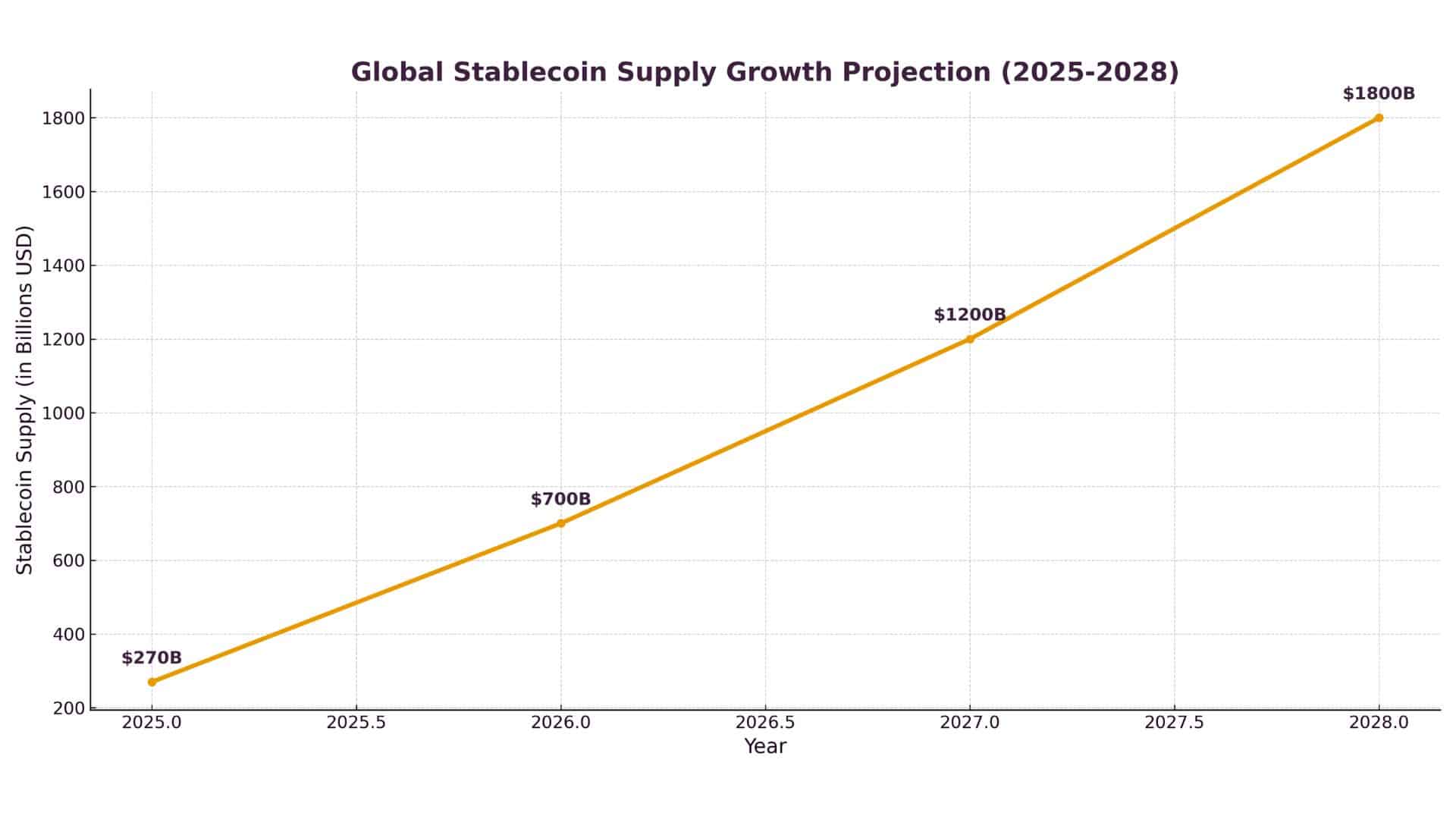
- The global stablecoin supply reached approximately $270 billion by mid-2025, nearly double the figure from the early part of the year.
- Projections estimate this could surge to $1.8 trillion by 2028.
- Over‑the‑counter crypto trading in mainland China still reached approximately $75 billion in the first nine months of 2024.
What It Means for Markets
China stablecoin risks now influence strategy. Traders and cryptocurrency users closely monitor policy signals. On one side, mainland authorities clamp down to ensure stability. On the other hand, Hong Kong’s sandbox offers a test bed for regulated innovation. Global investors face the tension between risk control and strategic financial shift.
Conclusion
Based on the latest research, China stablecoin risks reflect both caution and ambition. Leaders balance threats of instability against the goal of expanding the yuan’s reach.
For crypto followers, stablecoins in China are no longer just digital tools; they signal a turning point in financial power. Future developments may reshape not just domestic policy but the contours of global finance.
Also read: Did US-China Trade Tension Contribute to Nvidia Share Price Slippage?
Summary
China stablecoin risks now shape both policy and markets. A former central bank chief warned of threats to leverage and dollarization. Beijing has shut down promotion to curb instability, while Hong Kong pilots regulated yuan tokens.
With the global stablecoin supply nearing $270 billion and projected to reach $1.8 trillion by 2028, crypto followers must watch closely. These developments could redefine the role of financial balance and digital currency across borders.
Glossary
Stablecoin: A cryptocurrency designed to maintain a stable value by being pegged to a reserve asset such as the US dollar or Chinese yuan.
Capital Outflow: The movement of financial assets out of a country, which can weaken its currency and create financial instability.
Yuan-Backed Stablecoin: A digital token tied to the value of the Chinese yuan, proposed as a way to expand the currency’s global use.
Financial Stability: The condition where a country’s financial system operates smoothly, avoiding crises caused by speculation or sudden shocks.
FAQs for China Stablecoin Risks
Q1: What sparked the concern over stablecoins in China?
A former central bank chief warned about financial instability stemming from leverage, redemption pressure, and dollarization.
Q2: Why did regulators halt stablecoin promotion in mainland China?
Authorities moved to prevent fraud and speculative hype amid rapid growth in interest.
Q3: Is mainland China launching a stablecoin?
So far, no. The stance remains cautious, though Hong Kong is exploring licensed yuan-linked tokens.
Q4: How big is the stablecoin market?
It grew to about $270 billion mid-2025 and could reach $1.8 trillion by 2028.